“How Tv Unit plays an Important role in Residential Interior”

In modern residential interiors, the TV unit has evolved far beyond its basic function of holding a television. Today, it is one of the most significant design elements in a living space, combining aesthetics, functionality, and organization. A well-designed TV unit not only enhances the visual appeal of a room but also defines its character and usability, making it an essential component of interior design. One of the most important roles of a TV unit is its impact on the overall aesthetics of the living room. Since the TV wall usually occupies a central position, it naturally draws attention. Designers often treat this wall as a feature area, using creative materials, textures, lighting, and finishes to make it visually striking. Whether designed in a minimalistic, modern, luxurious, or traditional style, the TV unit helps establish the design theme of the entire space. It acts as a visual anchor that ties together furniture, wall colors, flooring, and décor elements. Functionality is another key aspect of a TV unit in residential interiors. Modern homes require smart storage solutions, and the TV unit provides an ideal space for organizing media equipment, routers, set-top boxes, speakers, books, and decorative objects. By integrating cabinets, drawers, shelves, and concealed compartments, the TV unit helps maintain a clean and clutter-free environment. Proper cable management within the unit also enhances safety and visual neatness, eliminating messy wires that can disrupt the look of the room. The TV unit also contributes significantly to space planning and layout design. In apartments and compact homes, where space is limited, a well-planned TV unit can optimize wall usage without occupying unnecessary floor area. Wall-mounted or floating TV units create an illusion of spaciousness, while multifunctional designs can incorporate storage, display, and seating elements. In larger homes, the TV unit can be designed as a grand architectural feature that adds depth and proportion to the living area. Lighting plays a crucial role in enhancing the effect of a TV unit. Integrated LED strips, spotlights, and backlit panels can highlight textures, materials, and design details. Soft ambient lighting around the TV unit not only improves visual comfort while watching television but also adds warmth and sophistication to the interior. Through thoughtful lighting design, the TV unit becomes a dynamic element that transforms the mood of the space. From a lifestyle perspective, the TV unit reflects the personality and preferences of the homeowners. The choice of materials—such as wood, laminate, glass, marble, metal, or stone—along with color palettes and finishes, communicates the taste and identity of the residents. Some homeowners prefer sleek and minimal designs, while others opt for rich, decorative units with display niches and artistic elements. Thus, the TV unit becomes a medium of self-expression within the interior. Moreover, the TV unit plays an important role in increasing the perceived value of a home. A well-designed TV wall with premium finishes and custom detailing can elevate the overall quality of the interior, making the living space look more refined and professionally designed. For real estate and resale purposes, an aesthetically appealing TV unit can leave a lasting impression on visitors and potential buyers. In conclusion, the TV unit is not merely a functional furniture piece but a core design feature in residential interiors. It harmonizes aesthetics, organization, technology, and lifestyle into a single cohesive element. By enhancing visual appeal, improving functionality, optimizing space, and reflecting personal style, the TV unit plays a vital role in shaping the identity and experience of a residential living space. Find us on Google – https://share.google/IZUJEfmj1JaAOfZJD Green and Young Interiors Awards –https://greenandyoung.in/achievemets/

Tv Unit

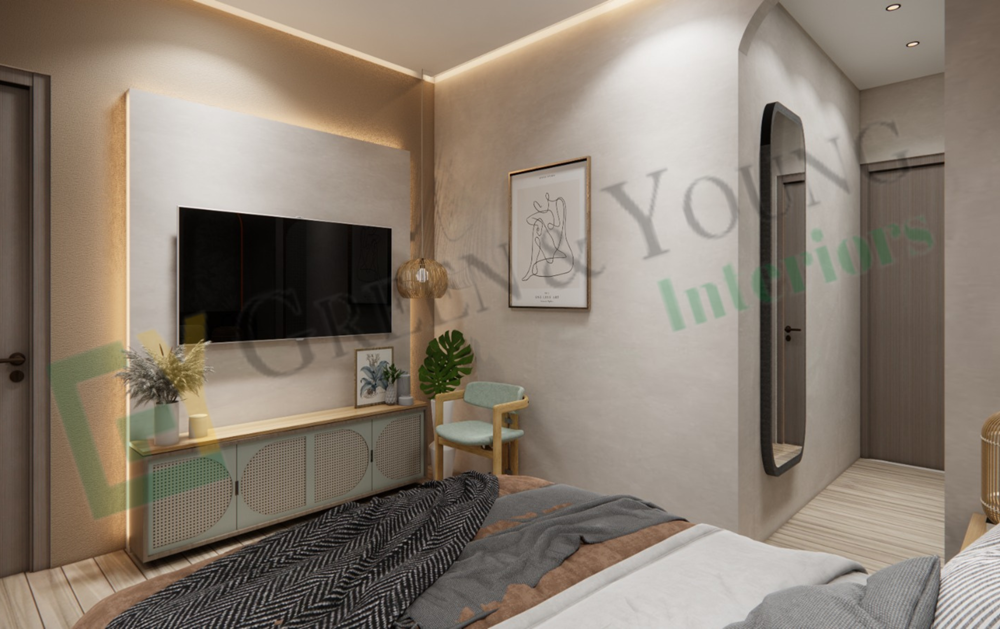
In modern residential interiors, the TV unit has evolved far beyond its basic function of holding a television. Today, it is one of the most significant design elements in a living space, combining aesthetics, functionality, and organization.

A well-designed TV unit not only enhances the visual appeal of a room but also defines its character and usability, making it an essential component of interior design.

Tv Unit
Tv Unit

One of the most important roles of a TV unit is its impact on the overall aesthetics of the living room. Since the TV wall usually occupies a central position, it naturally draws attention.

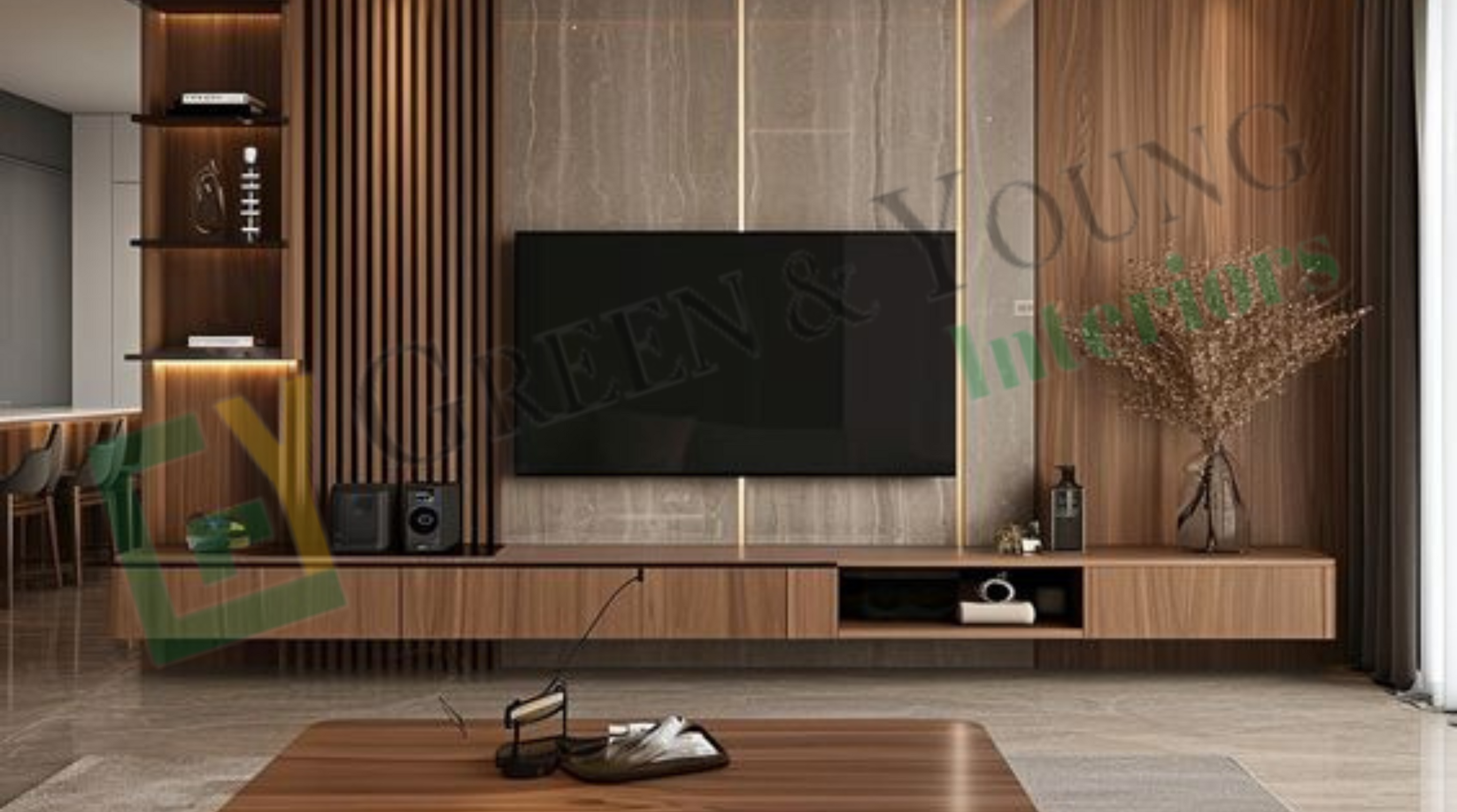
Designers often treat this wall as a feature area, using creative materials, textures, lighting, and finishes to make it visually striking. Whether designed in a minimalistic, modern, luxurious, or traditional style, the TV unit helps establish the design theme of the entire space. It acts as a visual anchor that ties together furniture, wall colors, flooring, and décor elements.

Functionality is another key aspect of a TV unit in residential interiors.

Modern homes require smart storage solutions, and the TV unit provides an ideal space for organizing media equipment, routers, set-top boxes, speakers, books, and decorative objects. By integrating cabinets, drawers, shelves, and concealed compartments, the TV unit helps maintain a clean and clutter-free environment.

Tv Unit
Tv Unit

Proper cable management within the unit also enhances safety and visual neatness, eliminating messy wires that can disrupt the look of the room.

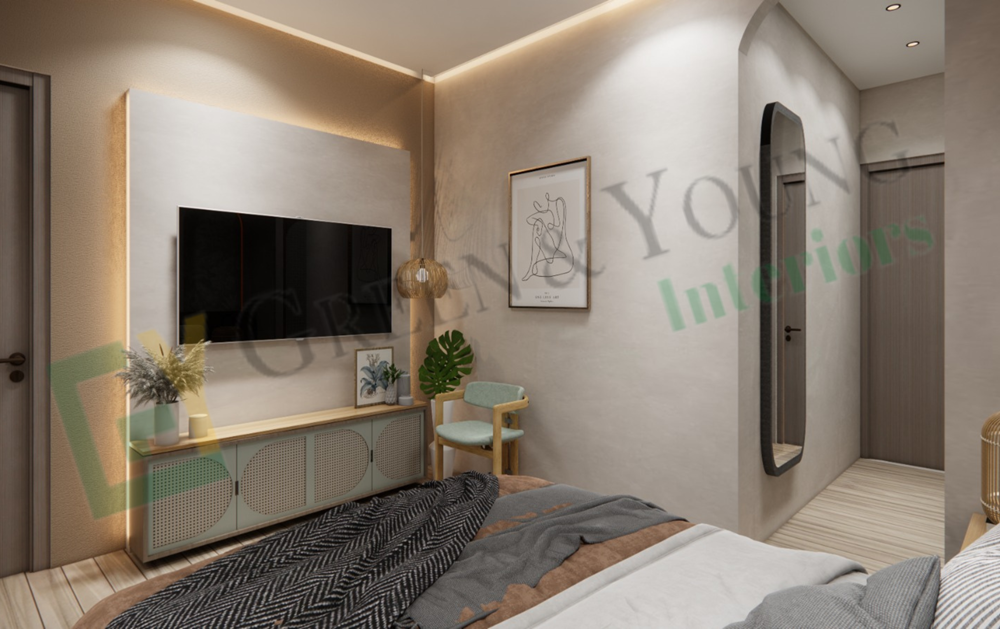
The TV unit also contributes significantly to space planning and layout design. In apartments and compact homes, where space is limited, a well-planned TV unit can optimize wall usage without occupying unnecessary floor area.

Wall-mounted or floating TV units create an illusion of spaciousness, while multifunctional designs can incorporate storage, display, and seating elements.

In larger homes, the TV unit can be designed as a grand architectural feature that adds depth and proportion to the living area.

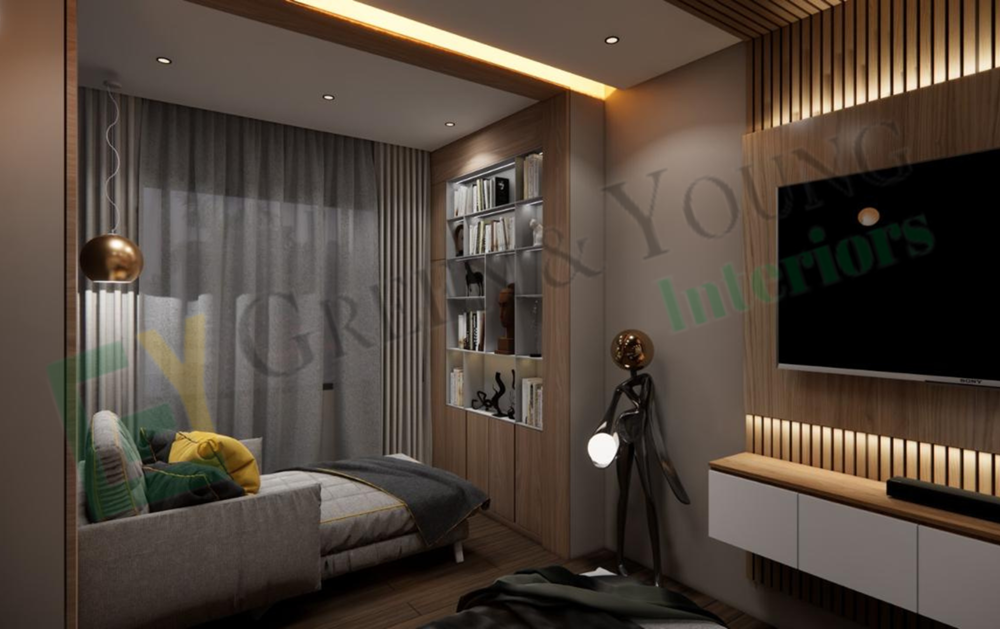
Lighting plays a crucial role in enhancing the effect of a TV unit. Integrated LED strips, spotlights, and backlit panels can highlight textures, materials, and design details.

Tv Unit
Tv Unit

Soft ambient lighting around the TV unit not only improves visual comfort while watching television but also adds warmth and sophistication to the interior. Through thoughtful lighting design, the TV unit becomes a dynamic element that transforms the mood of the space.

From a lifestyle perspective, the TV unit reflects the personality and preferences of the homeowners. The choice of materials—such as wood, laminate, glass, marble, metal, or stone—along with color palettes and finishes, communicates the taste and identity of the residents.

Some homeowners prefer sleek and minimal designs, while others opt for rich, decorative units with display niches and artistic elements. Thus, the TV unit becomes a medium of self-expression within the interior.

Tv Unit
Tv Unit

Moreover, the TV unit plays an important role in increasing the perceived value of a home.

A well-designed TV wall with premium finishes and custom detailing can elevate the overall quality of the interior, making the living space look more refined and professionally designed. For real estate and resale purposes, an aesthetically appealing TV unit can leave a lasting impression on visitors and potential buyers.

In conclusion, the TV unit is not merely a functional furniture piece but a core design feature in residential interiors.

It harmonizes aesthetics, organization, technology, and lifestyle into a single cohesive element. By enhancing visual appeal, improving functionality, optimizing space, and reflecting personal style, the TV unit plays a vital role in shaping the identity and experience of a residential living space.

Need Help?
Scroll to Top

Book A Free Constitution