Smart Planning for Everyday Cooking- Beautiful Kitchens That Work Beautifully

The Smart kitchen is one of the most used spaces in a home. A well-designed kitchen balances function, smooth workflow, and visual appeal—making everyday cooking efficient and enjoyable. A well-designed Smart kitchen begins with smart planning. Everyday cooking becomes easier and more enjoyable when the layout supports natural movement and efficient use of space. Thoughtful zoning of cooking, washing, and storage areas reduces unnecessary steps, saving time and effort during daily routines. When everything is planned with purpose, the kitchen works seamlessly around the user. Smart kitchens focus on flow and functionality. Proper placement of appliances, adequate countertop space, and clear circulation ensure a smooth workflow. This allows the cook to move comfortably without congestion, making even busy mornings or elaborate meals stress-free. Good planning also improves safety by reducing clutter and overlapping activities. Storage plays a vital role in everyday efficiency. Well-designed cabinets, drawers, and pull-out units keep essentials organized and easily accessible. When storage is intuitive, the kitchen stays tidy, reducing visual noise and making cleaning quicker and simpler. Material selection and lighting further enhance usability. Durable surfaces withstand daily wear, while layered lighting improves visibility and creates a pleasant atmosphere. A well-lit, easy-to-maintain kitchen encourages regular use and supports healthier cooking habits. 1. Function Comes First A kitchen must support daily tasks with ease. Storage planning, counter height, appliance placement, and work zones are designed around how the kitchen will be used. Thoughtful design reduces clutter and improves efficiency. 2. Smooth Workflow & Layout Good kitchen design follows a logical flow. The relationship between the cooking area, sink, and refrigerator should allow easy movement. Clear circulation, adequate counter space, and well-planned work zones make cooking stress-free. 3. Smart Storage Solutions Efficient kitchens maximize storage without feeling heavy. Drawer systems, pull-out units, corner solutions, tall units, and organized cabinets ensure everything has a place and is easy to access. 4. Material Selection & Durability Kitchen materials must handle heat, moisture, and daily wear. Designers choose surfaces that are durable, easy to maintain, and suitable for long-term use—without compromising on aesthetics. 5. Lighting for Work & Mood Layered lighting is essential. Task lighting improves visibility on countertops, while ambient and accent lighting enhance the overall mood. Good lighting makes the kitchen both functional and inviting. 6. Aesthetics That Last While trends change, a timeless base keeps the kitchen relevant. Clean finishes, balanced colors, and simple forms allow beauty without overwhelming the space. Style should complement function, not compete with it. Final Thought A successful kitchen design is not just about looks—it’s about how smoothly the space works every day. When function, flow, and aesthetics come together, the kitchen becomes a space that truly supports modern living. Ultimately, smart kitchen planning is not just about design—it’s about improving daily life. When a kitchen is efficient, comfortable, and visually balanced, it supports better routines, reduces stress, and becomes a space where cooking feels effortless and enjoyable. Smart kitchens truly lead to better living. Find us on Google – https://share.google/IZUJEfmj1JaAOfZJD Green and Young Interiors Awards –https://greenandyoung.in/achievemets/

Smart Kitchen

The Smart kitchen is one of the most used spaces in a home. A well-designed kitchen balances function, smooth workflow, and visual appeal—making everyday cooking efficient and enjoyable.

A well-designed Smart kitchen begins with smart planning. Everyday cooking becomes easier and more enjoyable when the layout supports natural movement and efficient use of space. Thoughtful zoning of cooking, washing, and storage areas reduces unnecessary steps, saving time and effort during daily routines. When everything is planned with purpose, the kitchen works seamlessly around the user.

Smart Kitchen
Smart Kitchen

Smart kitchens focus on flow and functionality. Proper placement of appliances, adequate countertop space, and clear circulation ensure a smooth workflow. This allows the cook to move comfortably without congestion, making even busy mornings or elaborate meals stress-free. Good planning also improves safety by reducing clutter and overlapping activities.

Storage plays a vital role in everyday efficiency. Well-designed cabinets, drawers, and pull-out units keep essentials organized and easily accessible. When storage is intuitive, the kitchen stays tidy, reducing visual noise and making cleaning quicker and simpler.

Smart Kitchen
Smart Kitchen

Material selection and lighting further enhance usability. Durable surfaces withstand daily wear, while layered lighting improves visibility and creates a pleasant atmosphere. A well-lit, easy-to-maintain kitchen encourages regular use and supports healthier cooking habits.

1. Function Comes First

A kitchen must support daily tasks with ease. Storage planning, counter height, appliance placement, and work zones are designed around how the kitchen will be used. Thoughtful design reduces clutter and improves efficiency.

2. Smooth Workflow & Layout

Good kitchen design follows a logical flow. The relationship between the cooking area, sink, and refrigerator should allow easy movement. Clear circulation, adequate counter space, and well-planned work zones make cooking stress-free.

Smart Kitchen
Smart Kitchen

3. Smart Storage Solutions

Efficient kitchens maximize storage without feeling heavy. Drawer systems, pull-out units, corner solutions, tall units, and organized cabinets ensure everything has a place and is easy to access.

4. Material Selection & Durability

Kitchen materials must handle heat, moisture, and daily wear. Designers choose surfaces that are durable, easy to maintain, and suitable for long-term use—without compromising on aesthetics.

5. Lighting for Work & Mood

Layered lighting is essential. Task lighting improves visibility on countertops, while ambient and accent lighting enhance the overall mood. Good lighting makes the kitchen both functional and inviting.
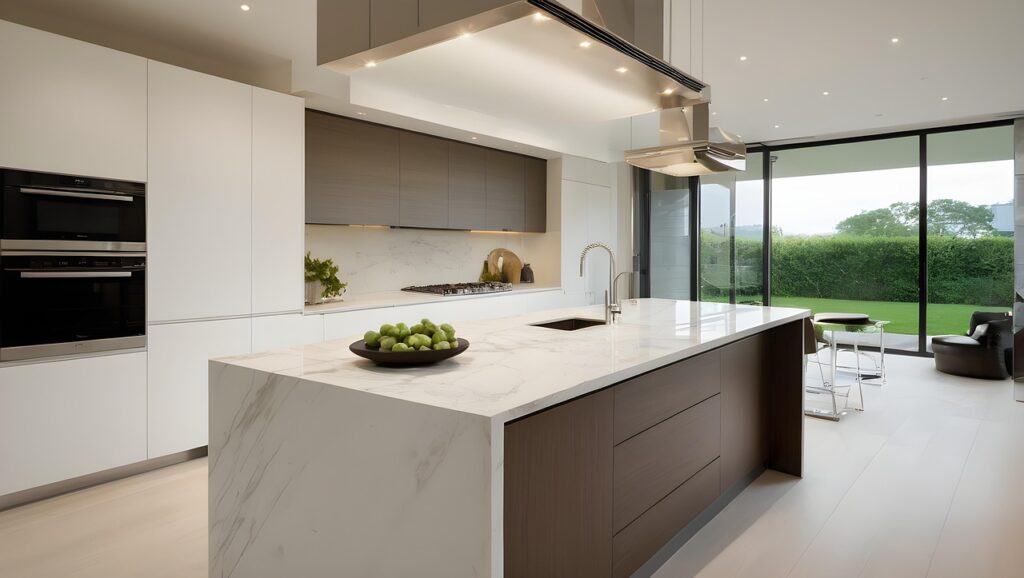
Smart Kitchen
Smart Kitchen

6. Aesthetics That Last

While trends change, a timeless base keeps the kitchen relevant. Clean finishes, balanced colors, and simple forms allow beauty without overwhelming the space. Style should complement function, not compete with it.

Final Thought

A successful kitchen design is not just about looks—it’s about how smoothly the space works every day. When function, flow, and aesthetics come together, the kitchen becomes a space that truly supports modern living.

Smart Kitchen
Smart Kitchen

Ultimately, smart kitchen planning is not just about design—it’s about improving daily life. When a kitchen is efficient, comfortable, and visually balanced, it supports better routines, reduces stress, and becomes a space where cooking feels effortless and enjoyable. Smart kitchens truly lead to better living.

Need Help?
Scroll to Top

Book A Free Constitution