Author name: admin

Interior Design
Latest Interior Trends

Is Interior Design a Necessity or a Luxury?

Interior design has long been perceived as a luxury reserved for high-end homes and premium lifestyles. However, in today’s fast-paced urban living, the perspective is gradually shifting. Interior design is no longer just about beautifying spaces; it has become an essential part of creating functional, comfortable, and efficient environments. A well-designed interior improves how a space works for its users. Thoughtful planning of layouts, furniture placement, lighting, and storage can make even a small home feel spacious and organized. Especially in growing urban areas where homes are becoming more compact, smart interior design helps maximize every square foot. In this sense, interior design becomes more of a necessity than a luxury. Another important aspect is comfort and well-being. Our homes are where we relax, work, and spend time with family. Elements such as natural lighting, color schemes, ventilation, and ergonomic furniture all influence mood and productivity. A carefully designed space can reduce stress, enhance focus, and create a healthier living environment. Interior design also adds long-term value to a property. Well-planned interiors improve durability and functionality, making a home easier to maintain and more appealing to future buyers. Investing in quality materials, efficient storage solutions, and timeless design elements often proves cost-effective over time. However, the perception of luxury still exists when interior design focuses on high-end materials, elaborate décor, or designer furniture. While these elements can enhance aesthetics, they are not essential to good design. Effective interior design is not defined by cost but by thoughtful planning and purposeful choices. Ultimately, interior design lies somewhere between necessity and luxury. Basic design planning—such as space optimization, lighting, and functionality—is a necessity for comfortable living. Decorative enhancements and premium finishes, on the other hand, may fall into the luxury category. In modern living, interior design is less about extravagance and more about creating spaces that support better lifestyles. A well-designed home is not just beautiful; it is practical, comfortable, and meaningful to the people who live in it. ✨ Find us on Google – https://share.google/IZUJEfmj1JaAOfZJD Green and Young Interiors Awards –https://greenandyoung.in/achievemets/

Urban Design
Latest Interior Trends

Future of Interior Design in Urban Cities

As urban populations continue to grow, the future of interior design in cities is evolving rapidly to meet changing lifestyles, space limitations, and technological advancements. Urban homes are becoming more compact, making smart planning and multifunctional design more important than ever. Interior designers are now focusing on maximizing every square foot by incorporating modular furniture, hidden storage solutions, and flexible layouts that allow spaces to serve multiple purposes. One of the biggest trends shaping the future of urban interiors is space efficiency. With apartments becoming smaller, furniture that can adapt to different needs—such as foldable dining tables, wall-mounted beds, and multifunctional sofas—will become increasingly popular. Designers are also emphasizing open-plan layouts that make homes feel larger and more connected. Another key factor influencing the future of interior design is technology integration. Smart homes are becoming more common, with automated lighting, climate control, security systems, and voice-controlled devices seamlessly incorporated into interior spaces. These technologies not only enhance convenience but also improve energy efficiency and sustainability. Sustainability will also play a major role in shaping urban interiors. Designers are increasingly choosing eco-friendly materials such as recycled wood, sustainable fabrics, energy-efficient lighting, and low-VOC paints. Biophilic design, which incorporates natural elements like indoor plants, natural light, and organic textures, is also gaining popularity as it helps bring a sense of calm and connection to nature in busy city environments. Urban interior design is also becoming more personalized and lifestyle-focused. Homes are no longer just places to live; they are spaces for work, relaxation, entertainment, and wellness. Designers are creating dedicated areas for home offices, fitness zones, meditation corners, and creative spaces to support modern living. In the future, interior design in urban cities will continue to focus on smart solutions, sustainability, and personalization. By blending technology, creativity, and functionality, designers will transform compact city homes into efficient, comfortable, and inspiring living spaces. Find us on Google – https://share.google/IZUJEfmj1JaAOfZJD Green and Young Interiors Awards –https://greenandyoung.in/achievemets/

Louvers Design
Latest Interior Trends

“WPC Louvers vs Charcoal Louvers — What’s the Difference?”

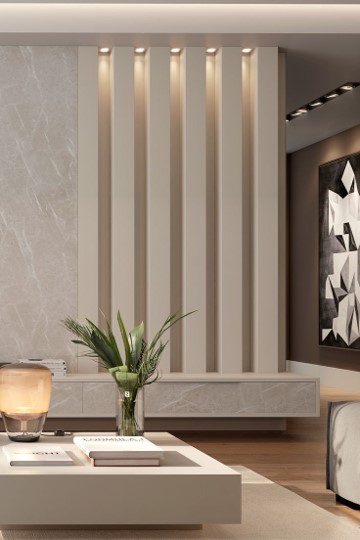
Louvers are slatted panels commonly used in windows, facades, partitions, balconies, and interior décor to control light, airflow, and privacy. Choosing the right type impacts aesthetics, durability, maintenance, and performance. Two popular options today are WPC louvers and charcoal (metal/wood-grain) louvers. 🪵 1. Material & Composition 🔹 WPC LouversWPC stands for Wood Plastic Composite — a blend of wood fibers and thermoplastics (PVC/PE). It looks like wood but has enhanced durability. 🔹 Charcoal Louvers“Charcoal louvers” typically refer to louvers made from metal or engineered materials with a charcoal finish — often aluminum, steel, or powder-coated surfaces. They may also mimic wood grain but aren’t wood-based. 🏡 2. Appearance & Style WPC Louvers Charcoal Louvers 🛠️ 3. Durability & Weather Resistance WPC Louvers✔ Moisture-resistant compared to natural wood✔ Does not warp or crack easily✘ Can fade over long sun exposure without protective coating Charcoal Louvers✔ Extremely durable, excellent weather resistance✔ Powder-coating protects against rust and corrosion✔ Stands up well in rain, sun, and coastal conditions 🧼 4. Maintenance WPC Louvers Charcoal Louvers 🪙 5. Cost Comparison 🧩 6. Best Use Cases ✅ WPC Louvers:✔ Interior partitions✔ Balcony screens under shade✔ Pergolas with partial exposure✔ Feature walls with wood-like warmth ✅ Charcoal Louvers:✔ Exterior façades✔ Full-exposure balconies✔ Modern contemporary homes✔ Privacy screens with minimalist design Which Should You Choose? 👉 Choose WPC Louvers if you want a warmer, wood-like look with moderate durability and easy maintenance — especially for semi-covered or interior spaces.👉 Choose Charcoal Louvers if you need ultra-durability, bold modern aesthetics, and minimal maintenance — perfect for exterior facades and contemporary designs. Find us on Google – https://share.google/IZUJEfmj1JaAOfZJD Green and Young Interiors Awards –https://greenandyoung.in/achievemets/

Mirror Work
Latest Interior Trends

Statement Mirror Walls: The New Focal Point in Modern Homes

In contemporary interior design, statement mirror walls have emerged as a bold and sophisticated way to transform ordinary spaces into visually striking environments. No longer limited to dressing areas or bathrooms, mirrors are now being used as full-scale design features that enhance light, depth, and elegance in living rooms, dining areas, bedrooms, and even entryways. One of the biggest advantages of a statement mirror wall is its ability to create an illusion of space. In compact urban homes, mirrors reflect both natural and artificial light, making rooms appear larger, brighter, and more open. When positioned strategically opposite windows or light sources, they amplify brightness and reduce the need for excessive lighting during the day. Beyond functionality, mirror walls add a strong aesthetic impact. Designers are moving beyond plain reflective surfaces and experimenting with tinted, antique, beveled, smoked, or geometric mirror panels. These variations introduce texture and visual interest while maintaining sophistication. Grid-patterned mirror panels, sunburst designs, and custom-cut shapes can turn a simple wall into a luxury feature element. Statement mirror walls are particularly popular in dining spaces and living rooms, where they create a glamorous backdrop. When paired with accent lighting, wall sconces, or LED strips, mirrors produce dramatic reflections that enhance the overall ambiance. They also complement materials like marble, wood, metallic finishes, and textured wall treatments, blending seamlessly into modern, contemporary, and even art deco interiors. However, balance is key. Overuse of mirrors can make a space feel overwhelming or overly reflective. The goal is to create harmony between reflection and design elements. Choosing the right frame, finish, and placement ensures the mirror wall enhances rather than dominates the room. In modern homes, a statement mirror wall is more than a decorative addition — it is a design strategy. It combines practicality with style, enhances spatial perception, and introduces an element of luxury. When thoughtfully designed, it becomes the focal point that defines the character of the entire space. Find us on Google – https://share.google/IZUJEfmj1JaAOfZJD Green and Young Interiors Awards –https://greenandyoung.in/achievemets/
Role of light
Latest Interior Trends

Why Lighting plays an Important Role in Residential Interior?

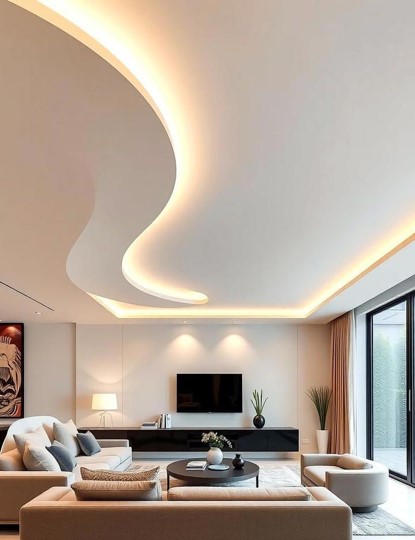
Lighting is one of the most powerful elements in residential interior design. It does far more than simply illuminate a space — it defines mood, enhances functionality, highlights design features, and influences how we feel within our homes. A well-planned lighting design can completely transform the look and experience of a room. 1. Enhances Mood and Ambience Lighting sets the emotional tone of a space. Warm lighting creates a cozy and inviting atmosphere in living rooms and bedrooms, while cool lighting works well in kitchens and study areas where focus and clarity are important. Layered lighting — combining ambient, task, and accent lights — allows homeowners to adjust the mood according to different activities and times of day. 2. Improves Functionality Different areas of a home require different lighting solutions. Task lighting in kitchens ensures safe cooking, bedside lamps support comfortable reading, and vanity lights in bathrooms provide proper visibility. Without adequate lighting, even the most beautifully designed interiors can feel incomplete and impractical. 3. Highlights Design Elements Lighting can draw attention to textures, artwork, feature walls, false ceilings, or architectural details. Spotlights, cove lighting, and wall washers create depth and dimension, making spaces appear larger and more dynamic. 4. Creates a Sense of Space Proper lighting placement can make small rooms feel spacious and open. Mirrors combined with strategic lighting enhance brightness and reflectivity, while concealed LED strips add a seamless modern touch. 5. Promotes Well-being Natural light improves mood, productivity, and overall health. Designing homes to maximize daylight through windows, sheer curtains, and open layouts enhances comfort and reduces dependence on artificial lighting during the day. In residential interiors, lighting is not just a finishing touch — it is a foundational design element. When thoughtfully planned, it elevates aesthetics, enhances comfort, and transforms a house into a warm and welcoming home. Find us on Google – https://share.google/IZUJEfmj1JaAOfZJD Green and Young Interiors Awards –https://greenandyoung.in/achievemets/
Balcony Design
Latest Interior Trends

Elevate Your Beautiful Evenings with Inspired Balcony Design

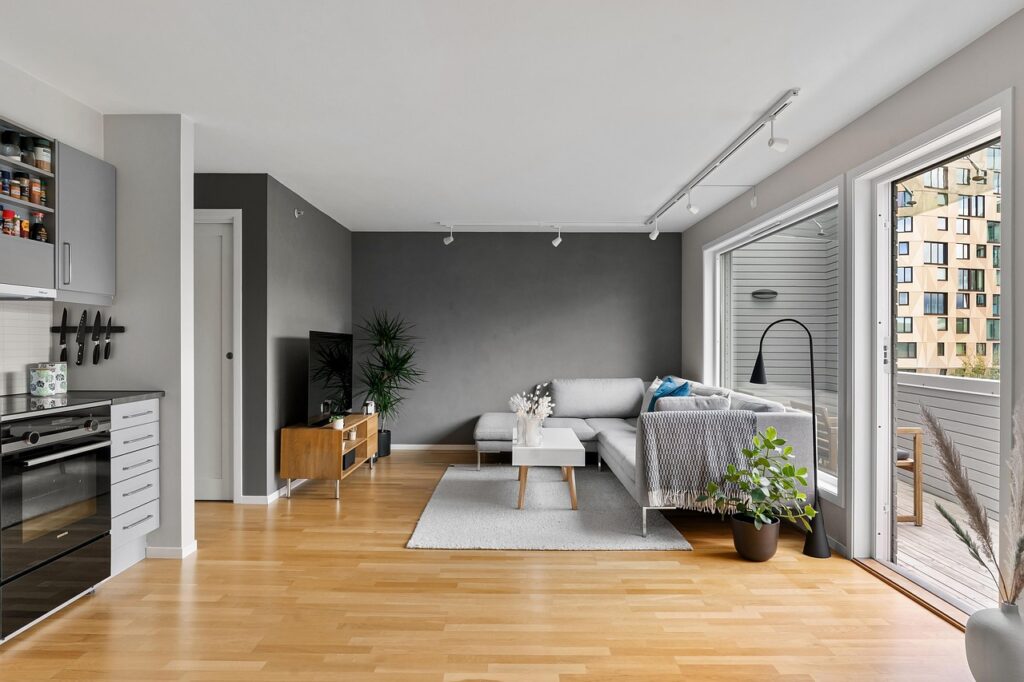
In today’s urban lifestyle, balconies are no longer overlooked corners — they are becoming cherished extensions of our living spaces. A thoughtfully designed balcony can transform ordinary evenings into calming, memorable experiences. Whether you live in a compact apartment or a spacious home, inspired balcony design allows you to create a personal retreat right outside your door. The key to a stunning balcony lies in smart space planning. Even a small balcony can be converted into a cozy lounge with foldable furniture, built-in seating with storage, or a compact bistro set. Adding layered lighting — such as warm fairy lights, wall sconces, or lantern-style fixtures — instantly enhances the ambiance, creating a soothing atmosphere perfect for relaxing after a long day. Greenery plays a powerful role in balcony design. Vertical gardens, railing planters, hanging pots, and herb walls bring freshness and life into the space. Mixing natural elements like wooden decking, rattan furniture, and stone-textured walls adds warmth and texture. A combination of indoor and outdoor plants can turn the balcony into a mini garden oasis, offering both visual beauty and mental relaxation. For those who enjoy hosting, a balcony can become a stylish evening entertainment corner. A slim bar counter along the railing, comfortable seating cushions, and soft outdoor rugs can create a charming social spot. Incorporating weather-resistant fabrics and durable materials ensures longevity without compromising on design. Creative additions like a swing chair, hammock, or floor seating setup can add personality and comfort. For a more serene approach, a meditation corner with subtle lighting, calming colors, and aromatic plants can create a peaceful sanctuary above the city noise. Inspired balcony design is about maximizing potential, no matter the size. With thoughtful planning, creative elements, and attention to comfort, your balcony can become the perfect place to unwind, connect, and elevate your beautiful evenings — all within the comfort of your home. Modern balconies designed for mindful living focus on simplicity, sustainability, and serenity. By blending nature, comfort, and thoughtful aesthetics, they become more than architectural features — they turn into daily reminders to breathe, unwind, and enjoy life’s simple moments. Find us on Google – https://share.google/IZUJEfmj1JaAOfZJD Green and Young Interiors Awards –https://greenandyoung.in/achievemets/
Architectural Design
Latest Interior Trends

Architecture: The Backbone of Every Great Interior.

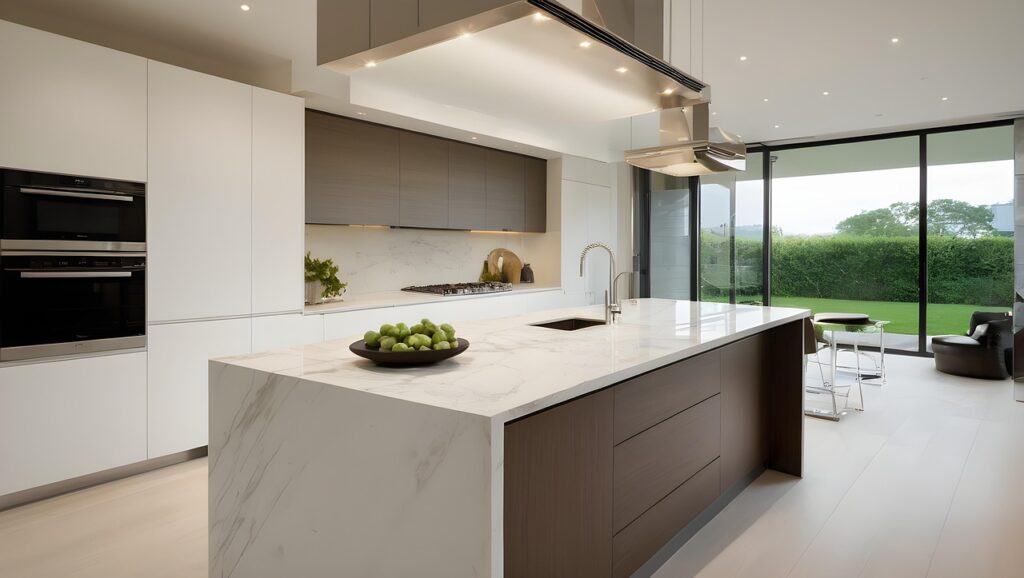
Behind every beautifully designed interior lies a strong architectural foundation. Architecture defines the structure, proportions, natural light flow, ventilation, and spatial layout that ultimately shape how an interior will function and feel. Without thoughtful architectural planning, even the most stylish interior elements can fall short in comfort and efficiency. Ceiling heights, window placements, column positions, and circulation paths all influence furniture layout, lighting design, and overall ambiance. When architecture and interior design work in harmony, spaces feel balanced, practical, and visually cohesive. Simply put, architecture provides the structural strength and spatial clarity that allow interiors to truly shine. Architecture plays a fundamental role in shaping every successful interior space. Before colors, furniture, or décor are introduced, it is the architectural planning that defines how a space will function, flow, and feel. Elements such as structural layout, ceiling heights, column placement, window positions, and natural light directly influence interior design possibilities. A well-planned architectural framework allows interiors to be both aesthetically pleasing and practically efficient. Good architecture ensures optimal space utilization. Proper room proportions, clear circulation paths, and logical zoning make it easier to design comfortable living, working, and leisure areas. When architectural services are thoughtfully integrated into interior planning, issues like awkward layouts, wasted corners, poor lighting, or ventilation challenges can be avoided from the start. This leads to interiors that feel spacious, balanced, and effortless to live in. Natural light and ventilation, guided by architectural design, play a crucial role in interior comfort and well-being. The placement of windows, balconies, and openings determines how daylight enters a space and how air circulates within it. Interior elements such as furniture layout, color schemes, and lighting design depend heavily on these architectural decisions to enhance the overall ambiance. Architecture also supports technical coordination in interior work. Electrical planning, plumbing routes, structural safety, and compliance with building codes are established at the architectural stage, ensuring that interior execution proceeds smoothly without costly alterations later. This alignment reduces delays, controls budgets, and improves overall project quality. Ultimately, architecture provides the structural clarity and foundation upon which interiors are built. When architecture and interior design work together seamlessly, the result is a harmonious space that is functional, visually appealing, and tailored to the user’s lifestyle. A great interior is never created in isolation — it is always supported by strong, thoughtful architectural design. Find us on Google – https://share.google/IZUJEfmj1JaAOfZJD Green and Young Interiors Awards –https://greenandyoung.in/achievemets/

Turnkey Interior
Latest Interior Trends

Turnkey Isn’t a Trend, It’s Total Transformation. Complete Design Journey

A Complete Design Journey from Vision to Handover Turnkey interior solutions are not just a passing industry trend — they represent a holistic and structured approach to designing and delivering your dream home. Instead of juggling multiple vendors, contractors, and timelines, a turnkey model brings everything under one expert team, ensuring seamless coordination from concept development to final handover. The journey begins with understanding your lifestyle, preferences, and functional needs. From space planning and 3D visualization to material selection and budgeting, every detail is carefully mapped out. Once the design is finalized, execution begins — covering civil work, electricals, plumbing, carpentry, false ceilings, painting, furnishings, and installation — all managed with precision and accountability. What makes turnkey truly transformative is its clarity and convenience. You receive transparent costing, streamlined timelines, quality control at every stage, and a single point of contact throughout the project. The result is not just a beautifully designed interior, but a stress-free experience that allows you to focus on the excitement of moving into your new home. Turnkey isn’t about following a trend — it’s about delivering a complete, coordinated, and confident design journey that turns an empty space into a ready-to-live masterpiece. A truly successful interior project goes beyond beautiful aesthetics — it brings structure, clarity, and seamless coordination to every stage of the process. Holistic design means considering space planning, functionality, materials, lighting, budget, and execution as one integrated system rather than separate elements. When every detail is thoughtfully aligned under a single vision and managed by one responsible team, confusion disappears, delays are minimized, and decision-making becomes effortless. The result is a smooth, stress-free experience where clients feel informed, supported, and confident from concept to completion. It’s not just about designing spaces — it’s about delivering peace of mind along with perfection Find us on Google – https://share.google/IZUJEfmj1JaAOfZJD Green and Young Interiors Awards –https://greenandyoung.in/achievemets/
Modern Interior
Latest Interior Trends

Why Modern Interior designs are now escalating in Today’s World?

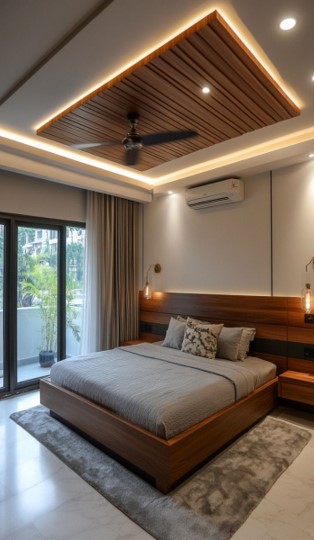
Modern interior design plays a powerful role in shaping how we live, work, and experience our spaces. In today’s fast-paced and technology-driven world, interiors are no longer just about decoration — they are about functionality, comfort, efficiency, and emotional well-being. 🏡 Enhancing Lifestyle & Comfort Modern interiors focus on smart layouts, clean lines, and clutter-free spaces. Open plans, multifunctional furniture, and thoughtful storage solutions help maximize space — especially important in compact urban homes. The goal is to create environments that feel spacious, organized, and easy to maintain. 💼 Supporting Work-from-Home Culture With remote and hybrid work becoming common, modern interiors integrate dedicated work zones within homes. Ergonomic furniture, sound control, and proper lighting improve productivity while maintaining a comfortable atmosphere. 🌿 Promoting Wellness & Sustainability Today’s interiors emphasize natural light, ventilation, indoor plants, and eco-friendly materials. Biophilic design, sustainable finishes, and energy-efficient lighting contribute to healthier living spaces. A well-designed interior can positively impact mood, focus, and overall mental health. 💡 Integrating Smart Technology Home automation, smart lighting systems, voice-controlled devices, and concealed wiring are now essential elements of modern interiors. Technology integration enhances convenience while keeping aesthetics clean and minimal. 🎨 Reflecting Personal Identity Modern design allows customization and personalization. From color palettes to textures and décor elements, interiors are tailored to reflect individual lifestyles and tastes. The focus is on creating meaningful spaces rather than following rigid design rules. 📈 Increasing Property Value Thoughtfully designed interiors not only improve daily living but also increase property value. Quality materials, efficient layouts, and timeless aesthetics make homes more appealing in the real estate market. In today’s world, modern interior design is not a luxury — it is a necessity. It shapes comfort, supports productivity, promotes wellness, and adapts to evolving lifestyles. A well-designed space doesn’t just look good; it enhances the way we live every day. Modern interior design plays a crucial role in today’s world by shaping spaces that are functional, efficient, and emotionally comforting. In an era where homes serve multiple purposes — from living and working to relaxing and socializing — interiors must be thoughtfully planned to support modern lifestyles. Clean layouts, smart storage solutions, multifunctional furniture, and technology integration help maximize space and improve convenience. At the same time, the use of natural light, sustainable materials, and calming color palettes promotes well-being and mental balance. Modern interiors are no longer just about aesthetics; they enhance productivity, reflect personal identity, and create environments that adapt to changing needs. In essence, modern interior design transforms everyday spaces into practical, inspiring, and future-ready living environments. Find us on Google – https://share.google/IZUJEfmj1JaAOfZJD Green and Young Interiors Awards –https://greenandyoung.in/achievemets/
Kid Room Design
Latest Interior Trends

Designing Spaces Where Little Dreams Grow Big

A child’s room is more than just a place to sleep — it’s a world of imagination, learning, and growth. Designing kids’ interiors requires a thoughtful balance between creativity, comfort, and functionality. A well-designed space not only reflects a child’s personality but also supports their emotional and developmental needs. 🎨 Creating a World of Imagination Children thrive in environments that spark creativity. Soft pastels, playful wallpapers, themed murals, and interactive wall elements can turn a simple bedroom into a magical retreat. Whether it’s a space-inspired ceiling, jungle-themed décor, or a soft reading nook, the design should encourage storytelling and exploration. 🛏️ Comfort Meets Function Kids’ interiors must adapt as they grow. Modular furniture, convertible beds, and adjustable study desks ensure longevity. Smart storage solutions — such as under-bed drawers, wall-mounted shelves, and toy organizers — keep the room clutter-free while teaching children organizational skills. 📚 Learning-Friendly Layouts A dedicated study zone with proper lighting and ergonomic seating helps build focus and discipline. Natural light, task lighting, and calming color palettes enhance concentration while maintaining a warm and inviting atmosphere. 🧸 Safety First, Always Rounded furniture edges, non-toxic paints, anti-skid flooring, and secure shelving are essential elements in kids’ interiors. Safety should seamlessly blend with aesthetics, ensuring parents have peace of mind without compromising on style. 🌿 Designing for Growth Children’s preferences evolve quickly. Neutral base tones paired with changeable accessories like bedding, wall art, and soft furnishings allow the room to transform easily as interests shift over time. Designing spaces where little dreams grow big means creating rooms that nurture creativity, support learning, and provide comfort. With thoughtful planning and imaginative design, a child’s room becomes a place where memories are made and futures begin. 🎨 A Splash of Imagination Bright yet balanced color palettes, playful wallpapers, themed corners, and interactive elements turn ordinary rooms into magical spaces. Whether it’s a reading tent, chalkboard wall, or space-themed décor, creativity in design fuels a child’s imagination and self-expression. 🛏️ Smart & Functional Layouts Children’s spaces must be as practical as they are playful. Multi-functional furniture like bunk beds with storage, foldable study tables, and modular wardrobes help maximize space while keeping the room organized. Open shelves and labeled bins make it easy for kids to access and manage their belongings. 📚 Spaces That Support Learning A dedicated study area with proper lighting, ergonomic seating, and minimal distractions helps children focus and develop good study habits. Natural light combined with soft task lighting creates a comfortable environment for reading and homework. 🧸 Safety with Style Rounded edges, anti-skid flooring, non-toxic paints, and securely fixed furniture ensure the room remains safe for active play. Good design integrates safety features seamlessly without compromising aesthetics. 🌈 Room to Grow Designing with adaptability in mind allows the space to evolve as children grow. Neutral base tones with interchangeable décor elements — like cushions, artwork, and bedding — make it easy to refresh the room without a complete redesign. Creative rooms for happy childhoods are built on imagination, functionality, and thoughtful planning. When design meets creativity and comfort, a child’s room becomes a space where they can play, learn, dream, and simply be themselves. Find us on Google – https://share.google/IZUJEfmj1JaAOfZJD Green and Young Interiors Awards –https://greenandyoung.in/achievemets/
Need Help?
Scroll to Top

Book A Free Constitution