Author name: admin

Architectural Design
Latest Interior Trends

Architecture: The Backbone of Every Great Interior.

Behind every beautifully designed interior lies a strong architectural foundation. Architecture defines the structure, proportions, natural light flow, ventilation, and spatial layout that ultimately shape how an interior will function and feel. Without thoughtful architectural planning, even the most stylish interior elements can fall short in comfort and efficiency. Ceiling heights, window placements, column positions, and circulation paths all influence furniture layout, lighting design, and overall ambiance. When architecture and interior design work in harmony, spaces feel balanced, practical, and visually cohesive. Simply put, architecture provides the structural strength and spatial clarity that allow interiors to truly shine. Architecture plays a fundamental role in shaping every successful interior space. Before colors, furniture, or décor are introduced, it is the architectural planning that defines how a space will function, flow, and feel. Elements such as structural layout, ceiling heights, column placement, window positions, and natural light directly influence interior design possibilities. A well-planned architectural framework allows interiors to be both aesthetically pleasing and practically efficient. Good architecture ensures optimal space utilization. Proper room proportions, clear circulation paths, and logical zoning make it easier to design comfortable living, working, and leisure areas. When architectural services are thoughtfully integrated into interior planning, issues like awkward layouts, wasted corners, poor lighting, or ventilation challenges can be avoided from the start. This leads to interiors that feel spacious, balanced, and effortless to live in. Natural light and ventilation, guided by architectural design, play a crucial role in interior comfort and well-being. The placement of windows, balconies, and openings determines how daylight enters a space and how air circulates within it. Interior elements such as furniture layout, color schemes, and lighting design depend heavily on these architectural decisions to enhance the overall ambiance. Architecture also supports technical coordination in interior work. Electrical planning, plumbing routes, structural safety, and compliance with building codes are established at the architectural stage, ensuring that interior execution proceeds smoothly without costly alterations later. This alignment reduces delays, controls budgets, and improves overall project quality. Ultimately, architecture provides the structural clarity and foundation upon which interiors are built. When architecture and interior design work together seamlessly, the result is a harmonious space that is functional, visually appealing, and tailored to the user’s lifestyle. A great interior is never created in isolation — it is always supported by strong, thoughtful architectural design. Find us on Google – https://share.google/IZUJEfmj1JaAOfZJD Green and Young Interiors Awards –https://greenandyoung.in/achievemets/
Turnkey Interior
Latest Interior Trends

Turnkey Isn’t a Trend, It’s Total Transformation. Complete Design Journey

A Complete Design Journey from Vision to Handover Turnkey interior solutions are not just a passing industry trend — they represent a holistic and structured approach to designing and delivering your dream home. Instead of juggling multiple vendors, contractors, and timelines, a turnkey model brings everything under one expert team, ensuring seamless coordination from concept development to final handover. The journey begins with understanding your lifestyle, preferences, and functional needs. From space planning and 3D visualization to material selection and budgeting, every detail is carefully mapped out. Once the design is finalized, execution begins — covering civil work, electricals, plumbing, carpentry, false ceilings, painting, furnishings, and installation — all managed with precision and accountability. What makes turnkey truly transformative is its clarity and convenience. You receive transparent costing, streamlined timelines, quality control at every stage, and a single point of contact throughout the project. The result is not just a beautifully designed interior, but a stress-free experience that allows you to focus on the excitement of moving into your new home. Turnkey isn’t about following a trend — it’s about delivering a complete, coordinated, and confident design journey that turns an empty space into a ready-to-live masterpiece. A truly successful interior project goes beyond beautiful aesthetics — it brings structure, clarity, and seamless coordination to every stage of the process. Holistic design means considering space planning, functionality, materials, lighting, budget, and execution as one integrated system rather than separate elements. When every detail is thoughtfully aligned under a single vision and managed by one responsible team, confusion disappears, delays are minimized, and decision-making becomes effortless. The result is a smooth, stress-free experience where clients feel informed, supported, and confident from concept to completion. It’s not just about designing spaces — it’s about delivering peace of mind along with perfection Find us on Google – https://share.google/IZUJEfmj1JaAOfZJD Green and Young Interiors Awards –https://greenandyoung.in/achievemets/

Modern Interior
Latest Interior Trends

Why Modern Interior designs are now escalating in Today’s World?

Modern interior design plays a powerful role in shaping how we live, work, and experience our spaces. In today’s fast-paced and technology-driven world, interiors are no longer just about decoration — they are about functionality, comfort, efficiency, and emotional well-being. 🏡 Enhancing Lifestyle & Comfort Modern interiors focus on smart layouts, clean lines, and clutter-free spaces. Open plans, multifunctional furniture, and thoughtful storage solutions help maximize space — especially important in compact urban homes. The goal is to create environments that feel spacious, organized, and easy to maintain. 💼 Supporting Work-from-Home Culture With remote and hybrid work becoming common, modern interiors integrate dedicated work zones within homes. Ergonomic furniture, sound control, and proper lighting improve productivity while maintaining a comfortable atmosphere. 🌿 Promoting Wellness & Sustainability Today’s interiors emphasize natural light, ventilation, indoor plants, and eco-friendly materials. Biophilic design, sustainable finishes, and energy-efficient lighting contribute to healthier living spaces. A well-designed interior can positively impact mood, focus, and overall mental health. 💡 Integrating Smart Technology Home automation, smart lighting systems, voice-controlled devices, and concealed wiring are now essential elements of modern interiors. Technology integration enhances convenience while keeping aesthetics clean and minimal. 🎨 Reflecting Personal Identity Modern design allows customization and personalization. From color palettes to textures and décor elements, interiors are tailored to reflect individual lifestyles and tastes. The focus is on creating meaningful spaces rather than following rigid design rules. 📈 Increasing Property Value Thoughtfully designed interiors not only improve daily living but also increase property value. Quality materials, efficient layouts, and timeless aesthetics make homes more appealing in the real estate market. In today’s world, modern interior design is not a luxury — it is a necessity. It shapes comfort, supports productivity, promotes wellness, and adapts to evolving lifestyles. A well-designed space doesn’t just look good; it enhances the way we live every day. Modern interior design plays a crucial role in today’s world by shaping spaces that are functional, efficient, and emotionally comforting. In an era where homes serve multiple purposes — from living and working to relaxing and socializing — interiors must be thoughtfully planned to support modern lifestyles. Clean layouts, smart storage solutions, multifunctional furniture, and technology integration help maximize space and improve convenience. At the same time, the use of natural light, sustainable materials, and calming color palettes promotes well-being and mental balance. Modern interiors are no longer just about aesthetics; they enhance productivity, reflect personal identity, and create environments that adapt to changing needs. In essence, modern interior design transforms everyday spaces into practical, inspiring, and future-ready living environments. Find us on Google – https://share.google/IZUJEfmj1JaAOfZJD Green and Young Interiors Awards –https://greenandyoung.in/achievemets/
Kid Room Design
Latest Interior Trends

Designing Spaces Where Little Dreams Grow Big

A child’s room is more than just a place to sleep — it’s a world of imagination, learning, and growth. Designing kids’ interiors requires a thoughtful balance between creativity, comfort, and functionality. A well-designed space not only reflects a child’s personality but also supports their emotional and developmental needs. 🎨 Creating a World of Imagination Children thrive in environments that spark creativity. Soft pastels, playful wallpapers, themed murals, and interactive wall elements can turn a simple bedroom into a magical retreat. Whether it’s a space-inspired ceiling, jungle-themed décor, or a soft reading nook, the design should encourage storytelling and exploration. 🛏️ Comfort Meets Function Kids’ interiors must adapt as they grow. Modular furniture, convertible beds, and adjustable study desks ensure longevity. Smart storage solutions — such as under-bed drawers, wall-mounted shelves, and toy organizers — keep the room clutter-free while teaching children organizational skills. 📚 Learning-Friendly Layouts A dedicated study zone with proper lighting and ergonomic seating helps build focus and discipline. Natural light, task lighting, and calming color palettes enhance concentration while maintaining a warm and inviting atmosphere. 🧸 Safety First, Always Rounded furniture edges, non-toxic paints, anti-skid flooring, and secure shelving are essential elements in kids’ interiors. Safety should seamlessly blend with aesthetics, ensuring parents have peace of mind without compromising on style. 🌿 Designing for Growth Children’s preferences evolve quickly. Neutral base tones paired with changeable accessories like bedding, wall art, and soft furnishings allow the room to transform easily as interests shift over time. Designing spaces where little dreams grow big means creating rooms that nurture creativity, support learning, and provide comfort. With thoughtful planning and imaginative design, a child’s room becomes a place where memories are made and futures begin. 🎨 A Splash of Imagination Bright yet balanced color palettes, playful wallpapers, themed corners, and interactive elements turn ordinary rooms into magical spaces. Whether it’s a reading tent, chalkboard wall, or space-themed décor, creativity in design fuels a child’s imagination and self-expression. 🛏️ Smart & Functional Layouts Children’s spaces must be as practical as they are playful. Multi-functional furniture like bunk beds with storage, foldable study tables, and modular wardrobes help maximize space while keeping the room organized. Open shelves and labeled bins make it easy for kids to access and manage their belongings. 📚 Spaces That Support Learning A dedicated study area with proper lighting, ergonomic seating, and minimal distractions helps children focus and develop good study habits. Natural light combined with soft task lighting creates a comfortable environment for reading and homework. 🧸 Safety with Style Rounded edges, anti-skid flooring, non-toxic paints, and securely fixed furniture ensure the room remains safe for active play. Good design integrates safety features seamlessly without compromising aesthetics. 🌈 Room to Grow Designing with adaptability in mind allows the space to evolve as children grow. Neutral base tones with interchangeable décor elements — like cushions, artwork, and bedding — make it easy to refresh the room without a complete redesign. Creative rooms for happy childhoods are built on imagination, functionality, and thoughtful planning. When design meets creativity and comfort, a child’s room becomes a space where they can play, learn, dream, and simply be themselves. Find us on Google – https://share.google/IZUJEfmj1JaAOfZJD Green and Young Interiors Awards –https://greenandyoung.in/achievemets/

Textured Wall
Latest Interior Trends

Why Textured walls are now more than a Design Trend?

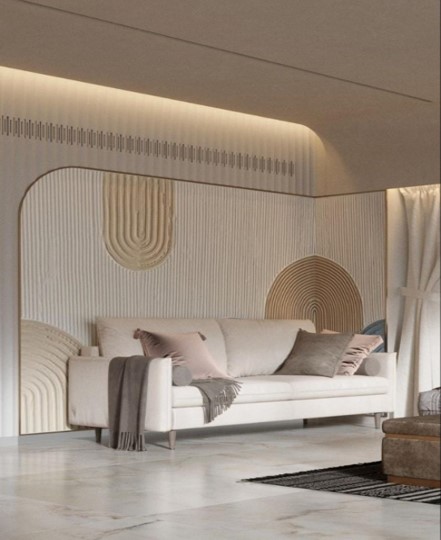
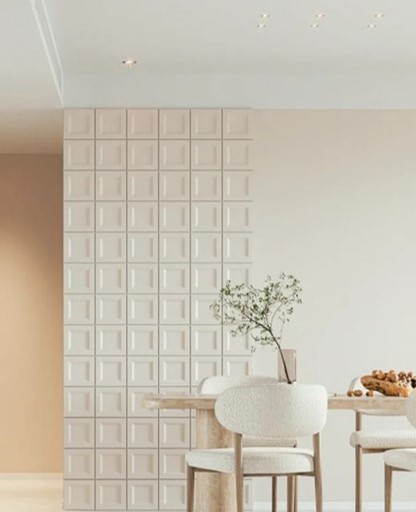
Textured walls are becoming one of the most sought-after interior design trends, adding depth, character, and sophistication to modern spaces. Unlike flat painted surfaces, textured finishes create visual interest through subtle variations in tone, movement, and tactile appeal. Materials like limewash and Venetian plaster are leading this trend, offering timeless elegance combined with contemporary style. Limewash walls are known for their soft, cloudy appearance and natural matte finish. Made from crushed limestone and natural pigments, limewash creates a breathable, eco-friendly surface that develops a beautiful patina over time. Its layered brush strokes produce a gentle texture that works beautifully in living rooms, bedrooms, and feature walls, especially in earthy and neutral tones. Venetian plaster, on the other hand, offers a more polished and luxurious finish. This decorative plaster technique creates a smooth yet textured surface with a subtle sheen, often resembling natural marble or stone. Venetian plaster is ideal for accent walls, entryways, and premium interiors where elegance and refinement are desired. Its durability and timeless appeal make it a favorite choice for luxury homes. Beyond these two finishes, textured wall options also include concrete finishes, stucco effects, 3D panels, fluted panels, wallpaper textures, and stone cladding. These materials can transform ordinary walls into statement features that define the overall mood of a space. Textured walls work especially well when paired with layered lighting. Wall washers, LED strips, and spotlights enhance the depth and movement of the texture, creating dramatic visual effects. They also complement modern interior styles such as contemporary, rustic, Mediterranean, industrial, and minimal luxury. Incorporating textured walls into interior design allows homeowners to move beyond basic paint and create spaces that feel warm, artistic, and personalized. Whether you prefer the subtle charm of limewash or the polished elegance of Venetian plaster, textured walls offer a stylish way to elevate any interior. Textured walls are redefining modern interiors by adding depth, movement, and personality to spaces. Instead of relying on plain painted surfaces, homeowners and designers are embracing finishes that create visual richness and tactile appeal. From soft, organic textures to polished luxury surfaces, textured walls instantly elevate the character of any room. Beyond these finishes, textured wall trends also include: Lighting plays a crucial role in enhancing textured walls. Wall washers, spotlights, and concealed LED strips highlight the texture’s depth, creating dramatic shadows and highlights that change throughout the day. Textured walls are more than a design trend — they are a way to create artistic, expressive interiors. Whether you prefer the soft movement of limewash or the polished elegance of Venetian plaster, textured finishes transform ordinary walls into stunning focal points that define the mood of your home. Find us on Google – https://share.google/IZUJEfmj1JaAOfZJD Green and Young Interiors Awards –https://greenandyoung.in/achievemets/

Living Room Interior
Latest Interior Trends

Exploring Latest Interior Practices with Green and Young Interiors.

At Green and Young Interiors, interior design is more than just decoration — it is a thoughtful process of understanding space, lifestyle, and functionality. Exploring interior practices means combining creativity with technical expertise to deliver spaces that are both beautiful and practical. Every project begins with detailed planning, where client requirements, spatial analysis, and design concepts are carefully aligned to ensure clarity and precision. Green and Young Interiors follows a structured approach that includes smart space planning, material selection, lighting design, customized furniture solutions, and quality execution. From modular kitchens and wardrobes to signature TV units and complete turnkey interiors, each element is designed to enhance comfort and usability. Attention to detail, budget transparency, and seamless coordination with skilled craftsmen ensure that every project is executed to perfection. By exploring modern design trends alongside sustainable and efficient practices, Green and Young Interiors creates interiors that are stylish, functional, and future-ready. The focus is always on transforming ideas into clear, well-executed designs that reflect the personality and aspirations of each client. Through innovation, precision, and dedication, the brand continues to redefine contemporary living spaces. Interior design is constantly evolving, adapting to new lifestyles, technologies, and aesthetic preferences. Exploring the latest interior practices helps homeowners and designers create spaces that are not only visually appealing but also functional, sustainable, and future-ready. Modern interior design today focuses on smart planning, personalization, and innovative material usage. One of the key latest practices is smart space planning. With urban homes becoming more compact, designers are prioritizing efficient layouts that maximize functionality without overcrowding the space. Multifunctional furniture, modular designs, and hidden storage solutions are increasingly popular for optimizing every square foot. Another emerging practice is the integration of technology in interiors. Smart lighting systems, automated curtains, smart home controls, and energy-efficient appliances are becoming essential features. These elements enhance convenience, security, and overall lifestyle quality. Sustainability is also a major focus in modern interior practices. Designers are using eco-friendly materials, energy-efficient lighting, natural textures, and sustainable finishes to reduce environmental impact. Materials like engineered wood, natural stone, bamboo, and recycled elements are gaining popularity. In terms of aesthetics, there is a noticeable shift toward warm, earthy color palettes and organic forms. Curved furniture, textured walls, statement lighting, and layered décor add depth and character to interiors. Homes are moving away from overly minimal spaces and embracing personalized, lived-in designs. Lighting design has become more strategic and layered. Combining ambient, task, and accent lighting creates a balanced and comfortable atmosphere. False ceilings with integrated LED lighting are commonly used to enhance visual appeal. Finally, customization and client-focused design practices are more important than ever. Designers are prioritizing lifestyle-based planning, ensuring that each interior reflects the homeowner’s personality, needs, and daily routines. Exploring the latest interior practices means staying updated with trends while maintaining functionality and timeless appeal. By combining innovation, sustainability, and thoughtful design, modern interiors are transforming homes into stylish, comfortable, and efficient living spaces. Find us on Google – https://share.google/IZUJEfmj1JaAOfZJD Green and Young Interiors Awards –https://greenandyoung.in/achievemets/

3 BHK Ideas
Latest Interior Trends

“Upgrade your 3 BHK flat with Latest 2026 Interior Ideas”

A 3 BHK flat offers the perfect balance of space and comfort, making it ideal for modern families. With the right interior design approach, a simple flat can be transformed into a stylish, functional, and personalized home. Thoughtful planning, smart furniture choices, and creative design elements play a key role in turning ordinary spaces into extraordinary living environments. The living room is the heart of a 3 BHK home and should reflect both style and functionality. Using a neutral color palette with accent shades, designing a feature wall, and incorporating a well-designed TV unit can instantly elevate the space. Modular sofas, layered lighting, and smart storage solutions help create a clutter-free and welcoming atmosphere. Bedrooms in a 3 BHK flat should be designed according to the lifestyle and personality of the residents. Master bedrooms can feature warm tones, customized wardrobes, and ambient lighting for a luxurious feel, while guest or kids’ rooms can be designed with practical layouts and vibrant colors. The kitchen is another important area where design meets functionality. Modular kitchen layouts, efficient storage systems, and durable materials improve workflow and aesthetics. Choosing the right lighting and finishes can make the kitchen both practical and visually appealing. Finally, attention to details such as lighting, textures, décor, and accessories completes the transformation. Mirrors, indoor plants, artwork, and customized furniture add character and depth to interiors. By combining smart planning with creative design solutions, a 3 BHK flat can truly become fabulous — a home that is stylish, comfortable, and perfectly suited to modern living. 1. Smart Space Planning Space planning is the foundation of good interior design. Each room in a 3 BHK flat should be designed with clear functionality. Proper furniture placement, circulation space, and zoning help create a balanced layout. Open layouts in living and dining areas make the home feel spacious, while well-planned storage solutions prevent clutter. 2. Living Room Design The living room sets the tone of the entire home. Choose a cohesive color palette, stylish furniture, and a well-designed TV unit. Feature walls, false ceilings, layered lighting, and decorative elements such as artwork and plants enhance the overall look. Modular furniture and hidden storage can improve functionality. 3. Bedroom Interior Design Each bedroom should reflect the personality and needs of its occupants. The master bedroom can have a luxurious feel with customized wardrobes, ambient lighting, and premium finishes. Guest and kids’ bedrooms can be designed with practical layouts, vibrant colors, and multifunctional furniture like storage beds and study units. 4. Modular Kitchen Design A modular kitchen is essential for modern homes. Efficient layouts such as L-shaped, U-shaped, or parallel kitchens improve workflow. Smart storage, durable materials, and proper lighting make the kitchen functional and visually appealing. Integration of modern appliances adds convenience. 5. Wardrobe and Storage Solutions Customized wardrobes, loft storage, and built-in cabinets help maximize space. Sliding wardrobes and vertical storage are ideal for compact rooms. Smart storage planning ensures a clean and organized interior. 6. Lighting and False Ceiling Lighting plays a crucial role in interior design. A mix of ambient, task, and accent lighting enhances both functionality and aesthetics. False ceilings with LED lighting add depth and elegance to spaces. 7. Material and Color Selection Choosing the right materials and colors defines the mood of the home. Neutral tones with accent colors create a modern look, while natural materials like wood and stone add warmth and texture. 8. Budget Planning A well-defined budget helps prioritize design elements and avoid overspending. Balancing quality and cost is key to achieving the desired interior within budget. Find us on Google – https://share.google/IZUJEfmj1JaAOfZJD Green and Young Interiors Awards –https://greenandyoung.in/achievemets/
Innovative Furniture
Latest Interior Trends

Innovative Furniture Solutions for Compact Homes- New Standards of Living.

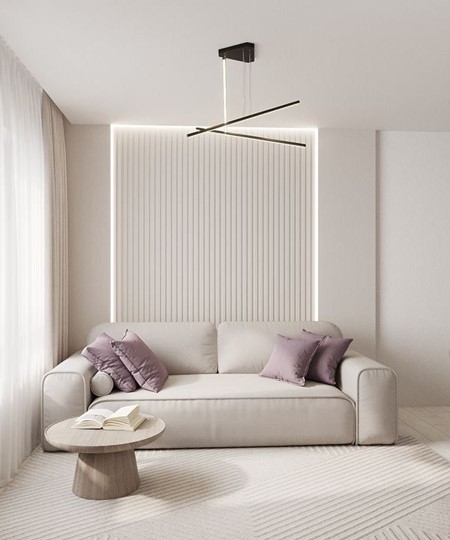
In today’s urban lifestyle, compact homes are becoming increasingly common, making smart furniture design more important than ever. Innovative furniture solutions are designed to maximize functionality without compromising on style or comfort. By combining creativity with practicality, space-saving furniture helps transform small areas into efficient, organized, and visually appealing living spaces. Modern innovative furniture includes multifunctional designs such as foldable beds, wall-mounted desks, modular sofas, storage-integrated beds, compact dining tables, and customized wardrobes. These designs make optimal use of available space while providing flexibility for daily activities. Vertical storage, hidden compartments, and modular units further enhance space utilization, ensuring that every corner of the home is used effectively. Apart from functionality, innovative furniture also contributes to the overall aesthetic of interiors. Sleek designs, smart materials, and contemporary finishes help compact homes look modern and spacious. Customized furniture solutions allow homeowners to tailor designs according to their lifestyle, needs, and spatial limitations, creating interiors that are both practical and personalized. Ultimately, innovative furniture solutions redefine compact living by balancing design, comfort, and efficiency. With the right planning and creative approach, even the smallest homes can feel spacious, organized, and stylish, proving that good design is not about size, but about smart utilization of space. Space-saving furniture plays a crucial role in modern interior design, especially in apartments and compact homes where every square foot matters. These smart furniture solutions are designed to maximize functionality while maintaining a clean, stylish, and organized look. By integrating multiple functions into a single piece, space-saving furniture helps homeowners make the most of limited space without compromising comfort or aesthetics. Popular space-saving furniture ideas include foldable beds, wall-mounted study tables, modular sofas, storage beds, compact dining tables, sliding wardrobes, and multi-purpose cabinets. Vertical storage units, corner shelves, and customized built-in furniture further optimize unused spaces, making rooms feel larger and more efficient. Such designs are especially useful in living rooms, bedrooms, kitchens, and home offices, where smart planning can significantly improve usability. Beyond practicality, space-saving furniture also enhances the visual appeal of interiors. Minimalistic designs, sleek finishes, and neutral color palettes create an open and airy atmosphere. Custom-designed furniture tailored to the layout and lifestyle of the residents ensures better space utilization and a personalized touch. Ultimately, space-saving furniture ideas offer a perfect balance between functionality and design. With thoughtful planning and innovative solutions, even small homes can be transformed into comfortable, stylish, and well-organized living spaces, proving that smart furniture is the key to modern, efficient interiors. Find us on Google – https://share.google/IZUJEfmj1JaAOfZJD Green and Young Interiors Awards –https://greenandyoung.in/achievemets/
Vastu-Oriented Design
Latest Interior Trends

Vastu-Oriented Interiors for Positive Energy.

Vastu-oriented interior design is a thoughtful approach that blends traditional Vastu principles with modern aesthetics to create homes filled with balance, harmony, and positive energy. Rooted in ancient Indian architectural science, Vastu Shastra focuses on the alignment of spaces with natural elements and directions, ensuring that every area of the home supports well-being, comfort, and prosperity. In interior design, Vastu plays a crucial role in planning layouts, furniture placement, lighting, colors, and materials. For example, the positioning of the entrance, living room, kitchen, bedrooms, and workspaces is carefully considered to maintain smooth energy flow. Proper orientation of furniture and functional zones helps create a sense of stability and openness, making spaces feel more comfortable and inviting. Color selection is another important aspect of Vastu-oriented interiors. Soft, natural, and earthy tones are often preferred to promote calmness and positivity, while brighter colors are used strategically to energize specific areas. Similarly, lighting design is planned to enhance natural light and create a warm, balanced ambiance, which contributes to both visual appeal and emotional comfort. Materials and textures also influence the energy of a space. Natural materials such as wood, stone, cotton, and metal are commonly used in Vastu-friendly interiors to maintain a connection with nature. Clutter-free spaces, organized storage, and clean layouts further support positive energy and mental clarity. Modern Vastu-oriented interiors do not compromise on style. Instead, they integrate Vastu guidelines with contemporary design solutions, ensuring that homes are functional, stylish, and aligned with the lifestyle of modern families. Designers often customize Vastu principles according to the client’s needs, making them practical and adaptable rather than rigid. Ultimately, Vastu-oriented interior design transforms a house into a harmonious living environment. By combining design creativity with Vastu wisdom, it creates spaces that nurture positivity, improve quality of life, and enhance emotional and physical well-being. A well-planned Vastu-oriented interior not only looks beautiful but also feels balanced, peaceful, and energetically uplifting. Vastu-oriented interior design focuses on creating spaces that promote harmony, balance, and positive energy within a home. By aligning interior layouts, furniture placement, colors, lighting, and materials with Vastu principles, designers aim to enhance comfort, well-being, and prosperity. Thoughtful planning of key areas such as the living room, kitchen, bedroom, and entrance ensures smooth energy flow and functional efficiency. Modern Vastu-friendly interiors blend traditional wisdom with contemporary design, resulting in spaces that are not only aesthetically appealing but also emotionally and energetically uplifting. A well-designed Vastu-oriented interior transforms a house into a peaceful, positive, and well-balanced home. Find us on Google – https://share.google/IZUJEfmj1JaAOfZJD Green and Young Interiors Awards –https://greenandyoung.in/achievemets/

Modular Furniture
Latest Interior Trends

Smart Furniture Choices Explained: Which Is Better for Your Home?

Choosing the right furniture is one of the most important decisions in interior design. Furniture not only defines the style of your home but also affects functionality, comfort, and space utilization. Among the most popular choices today are modular furniture and custom furniture. While both have their advantages, understanding their differences can help you make the right decision for your home. What Is Modular Furniture? Modular furniture refers to factory-made furniture that is designed in standardized modules or units. These pieces are manufactured in bulk and assembled at the site. Common examples include modular kitchens, wardrobes, TV units, and cabinets. Key Features of Modular Furniture: Advantages of Modular Furniture: Modular furniture is ideal for modern homes where speed, efficiency, and uniform design are important. It offers a sleek and contemporary look with precise finishes. Since it is produced in controlled factory conditions, the quality is usually consistent. It is also suitable for homeowners who prefer ready-made solutions with predictable costs. Limitations of Modular Furniture: However, modular furniture has limited customization options. Since designs are standardized, it may not fully utilize unusual spaces or match unique design preferences. It may also feel less personalized compared to custom-made furniture. What Is Custom Furniture? Custom furniture is designed and crafted specifically according to the client’s requirements, space dimensions, and design preferences. It is usually made by skilled carpenters and designers on-site or in workshops. Key Features of Custom Furniture: Advantages of Custom Furniture: Custom furniture allows complete freedom in design. It can be tailored to fit exact dimensions, making it ideal for irregular spaces or specific functional needs. Homeowners can choose materials, finishes, colors, and design details. Custom furniture adds uniqueness and character to interiors, making the home truly personalized. Limitations of Custom Furniture: Custom furniture usually takes more time to design and execute. The cost may be higher due to skilled labor and bespoke materials. Quality can also vary depending on the expertise of the carpenter or designer. Modular vs Custom Furniture: Key Differences Aspect Modular Furniture Custom Furniture Design Standardized Fully customized Production Factory-made On-site or workshop-made Time Faster installation Longer execution time Cost Generally affordable Usually more expensive Flexibility Limited High Space Utilization Standard Optimized for specific spaces Personalization Low to medium Very high Which Is Better for Your Home? There is no single correct answer to whether modular or custom furniture is better. The right choice depends on your budget, timeline, space, and design expectations. Conclusion Both modular and custom furniture play important roles in modern interior design. Modular furniture offers efficiency, consistency, and affordability, while custom furniture provides creativity, flexibility, and exclusivity. Understanding their differences helps homeowners make informed decisions and create interiors that are both functional and aesthetically pleasing. At the end, the best furniture choice is the one that matches your lifestyle, space, and vision for your home. Find us on Google – https://share.google/IZUJEfmj1JaAOfZJD Green and Young Interiors Awards –https://greenandyoung.in/achievemets/

Need Help?
Scroll to Top

Book A Free Constitution