Latest Interior Trends

Spacious Design
Latest Interior Trends

Do You Need More Square Feet or Better Planning?

Why Smart Design Often Outperforms a Bigger Home When homeowners feel their house is too small, the first thought is often, “We need a bigger home.” But is more square footage really the answer? In many cases, the real issue isn’t the size of the home—it’s how the space is planned and used. A well-designed 1,200 sq. ft. home can often feel more spacious, functional, and comfortable than a poorly planned 2,000 sq. ft. home. The secret lies in smart planning, efficient storage, and thoughtful design. Bigger Isn’t Always Better A larger home may provide extra rooms, but without proper planning, it can still feel cluttered and inefficient. Wide hallways, unused corners, oversized furniture, and poor layouts often waste valuable space. Before investing in a larger property, ask yourself: Sometimes, the solution is not expanding your home—it’s redesigning it. The Power of Better Planning Smart planning focuses on making every square foot work harder. Some effective strategies include: These solutions create cleaner, more organized spaces without increasing the home’s footprint. Quality Over Quantity The feeling of spaciousness comes from good design—not just size. A thoughtfully planned home offers: This makes daily life easier and more enjoyable. The Financial Perspective Buying a larger home often means: By comparison, investing in better planning and customized storage can significantly improve your existing home at a much lower cost. Perfect for Urban Living As cities become denser and property prices continue to rise, maximizing available space has become more important than ever. Smart planning allows families to enjoy comfort, functionality, and style without needing a much larger home. Whether it’s a compact apartment or a family house, intelligent layouts help create homes that feel open, organized, and adaptable. When a Bigger Home Makes Sense There are situations where more square footage is the right choice, such as: Even then, good planning remains essential. More space alone doesn’t guarantee better living. Final Thoughts The best home isn’t necessarily the biggest—it’s the one that is designed around your lifestyle. Smart planning transforms ordinary spaces into practical, beautiful homes where every inch has a purpose. Before deciding to move into a larger house, consider whether a better layout, customized storage, or multifunctional furniture could solve your challenges. You may discover that your existing home has far more potential than you imagined. Tagline “A Better Home Isn’t Built with More Square Feet—It’s Built with Better Planning.” Find us on Google – https://share.google/IZUJEfmj1JaAOfZJD Green and Young Interiors Awards –https://greenandyoung.in/achievemets/

Child Friendly Design
Latest Interior Trends

Modern Home Interior Ideas for Families with Young Children

Practical Interior Design Tips for Families with Young Children A beautiful home should also be a safe home—especially when children are part of the family. As babies begin to crawl and toddlers become curious explorers, every corner of your home becomes a place for discovery. A child-safe interior doesn’t mean sacrificing style; it means making thoughtful design choices that create a secure, functional, and family-friendly environment. Whether you’re designing a new home or renovating an existing one, these child-safe interior ideas will help you create a home where your children can grow, play, and thrive. Why Child-Safe Interior Design Matters Children interact with their surroundings differently than adults. Sharp edges, slippery floors, exposed electrical outlets, and unstable furniture can pose serious risks. By incorporating safety into the design process from the beginning, homeowners can avoid costly modifications later while creating a more comfortable space for the entire family. 1. Choose Rounded Furniture Sharp corners are one of the most common causes of household injuries for young children. Instead of furniture with pointed edges, choose: Curved furniture not only improves safety but also adds a modern, elegant look. 2. Secure Heavy Furniture Tall furniture can become dangerous if children attempt to climb it. Always anchor: Use wall anchors or anti-tip brackets to prevent accidents. 3. Use Soft Flooring Children spend a lot of time playing on the floor. Safe flooring options include: Avoid highly polished surfaces that become slippery when wet. 4. Install Child-Safe Electrical Fittings Electrical safety should never be overlooked. Recommended features: Plan electrical points carefully to minimize exposed cables and extension cords. 5. Select Non-Toxic Materials Children are more sensitive to chemicals used in paints, adhesives, and finishes. Choose: This helps maintain healthier indoor air quality. 6. Avoid Glass at Child Height Large glass panels should be designed with safety in mind. Consider: For very young children, use glass only where necessary and ensure it complies with safety standards. 7. Design Safe Storage Children naturally reach for anything within their grasp. Store hazardous items in: Keep cleaning products, medicines, and sharp kitchen tools out of reach. 8. Make the Kitchen Safer The kitchen requires special attention. Safety tips: A thoughtfully planned kitchen reduces everyday risks. 9. Design a Child-Friendly Bedroom A child’s bedroom should support both safety and development. Include: Avoid placing heavy wall décor directly above the bed. 10. Create Safe Staircases and Balconies If your home has multiple levels: 11. Plan Smart Lighting Good lighting improves visibility and reduces accidents. Use: Proper lighting also creates a calm environment for children. 12. Choose Durable and Easy-to-Clean Finishes Children can be tough on interiors. Opt for: These materials keep your home looking good despite everyday wear and tear. Smart Technology for Child Safety Modern smart homes offer additional safety features: These systems provide extra peace of mind, especially when children are at home. Child-Safe Interior Design Checklist ✔ Rounded furniture corners✔ Anti-tip furniture anchors✔ Anti-skid flooring✔ Child-proof electrical outlets✔ Low-VOC paints and finishes✔ Toughened or laminated safety glass✔ Lockable storage for hazardous items✔ Soft-close drawers and cabinets✔ Stair safety gates and secure railings✔ Motion-sensor night lights Common Mistakes to Avoid Final Thoughts A child-safe home is designed with both protection and practicality in mind. The best interiors grow with your family, combining durable materials, thoughtful layouts, and smart safety features without compromising on style. By planning safety from the beginning, you can create a home where children can explore confidently while parents enjoy peace of mind. Find us on Google – https://share.google/IZUJEfmj1JaAOfZJD Green and Young Interiors Awards –https://greenandyoung.in/achievemets/

Modern Homes
Latest Interior Trends

AI & Smart Home Integration: The Future of Interior Design

How Artificial Intelligence and Smart Technology Are Transforming Modern Homes The modern home is no longer just about beautiful furniture and stylish décor—it’s about creating spaces that are intelligent, efficient, secure, and personalized. As Artificial Intelligence (AI) and smart home technology continue to evolve, interior design is becoming more connected than ever. From voice-controlled lighting to AI-powered climate control, today’s homes are designed to make everyday life simpler and more comfortable. Whether you’re building a new home or renovating an existing one, integrating AI and smart technology can future-proof your living space while enhancing convenience and energy efficiency. What is a Smart Home? A smart home uses internet-connected devices that allow homeowners to monitor and control various systems through a smartphone, tablet, or voice assistant. These systems can include: With AI, these devices can also learn your habits and automatically adjust settings based on your daily routine. How AI is Changing Interior Design Artificial Intelligence is helping both designers and homeowners make smarter decisions. 1. Personalized Interior Design AI can analyze your lifestyle, preferences, and space requirements to recommend: This creates interiors that are customized rather than following generic trends. 2. Intelligent Lighting Smart lighting systems can: Imagine walking into your living room and having the lights automatically switch to your favorite evening setting. 3. Smart Climate Control AI-powered thermostats learn your daily schedule and optimize indoor temperatures automatically. Benefits include: 4. Voice-Controlled Homes Voice assistants can control multiple home functions without touching a switch. Examples include: This is especially helpful for children, senior citizens, and people with limited mobility. 5. Smart Security Systems Modern security is more than CCTV cameras. Smart homes now include: These features improve both convenience and peace of mind. AI in Kitchen Design Modern kitchens are becoming smarter every year. Popular features include: These technologies improve hygiene, save time, and make cooking more convenient. AI in Bedroom Design Smart bedrooms focus on comfort and wellness. Features include: The result is a more relaxing and personalized sleeping environment. Smart Living Room Ideas The living room is often the central hub of a smart home. Trending features: These features combine entertainment with convenience while maintaining a clean, modern look. Energy-Efficient Homes AI helps homeowners reduce energy consumption by: This lowers utility bills while supporting sustainable living. Smart Storage Solutions Interior designers are integrating technology into storage with: These additions improve organization without compromising aesthetics. Designing for the Future When planning a smart home, consider these essentials from the beginning: Planning early helps avoid expensive modifications later. Benefits of AI & Smart Home Integration Things to Consider Before Installing Smart Home Technology Before investing in smart devices, ask yourself: A well-planned ecosystem is often more useful than filling a home with unrelated gadgets. Final Thoughts AI and smart home technology are transforming interior design by making homes more intuitive, efficient, and responsive. The best smart homes don’t just add technology—they integrate it seamlessly into the design so that it enhances everyday living without dominating the space. By combining thoughtful interior planning with reliable smart systems, homeowners can create spaces that are beautiful today and adaptable for the future. Find us on Google – https://share.google/IZUJEfmj1JaAOfZJD Green and Young Interiors Awards –https://greenandyoung.in/achievemets/
Modern Homes
Latest Interior Trends

Timeless Interior Styles That Never Go Out of Fashion

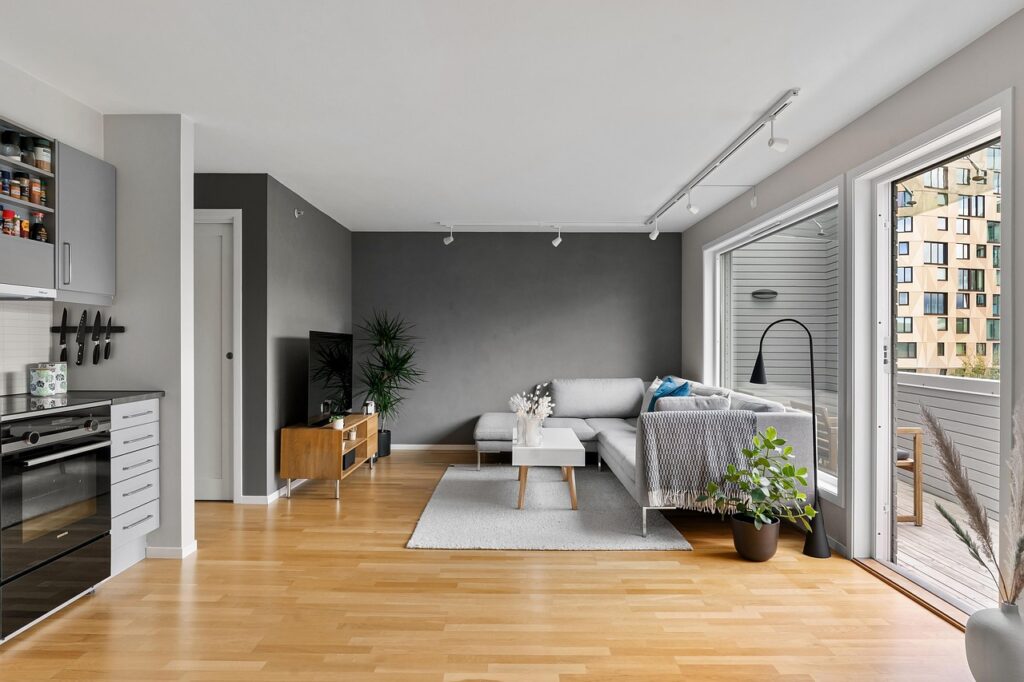
Designing a Home That Looks Beautiful Today, Tomorrow, and for Years to Come Interior design trends change every year, but some styles continue to remain elegant regardless of changing fashion. Choosing a timeless interior style means creating a home that feels sophisticated, functional, and welcoming for decades instead of requiring frequent renovations. Whether you’re designing a new home or renovating an existing one, investing in classic design principles ensures lasting beauty and value. Here are some of the most timeless interior styles that never go out of fashion. 1. Modern Classic Style Modern Classic is one of the most popular interior styles because it combines traditional elegance with contemporary simplicity. Key Features: This style creates a luxurious atmosphere without feeling overly decorative. 2. Minimalist Design Minimalism proves that less can truly be more. Instead of filling every corner with furniture and décor, minimalist interiors focus on: Minimalist homes are easier to maintain and remain visually appealing for years. 3. Scandinavian Style Originating in Nordic countries, Scandinavian interiors are known for their warmth and simplicity. Characteristics include: This style creates bright, welcoming spaces suitable for modern family living. 4. Contemporary Elegance Unlike short-lived trends, contemporary elegance evolves while maintaining a refined appearance. It combines: The result is a sophisticated home that adapts well to changing tastes. 5. Transitional Style Transitional interiors blend traditional craftsmanship with modern design. You’ll often find: This style appeals to homeowners who appreciate both classic and contemporary aesthetics. 6. Natural Material Interiors Materials like wood, stone, marble, leather, linen, and cotton have remained desirable for generations. Natural finishes offer: Using genuine or high-quality natural-look materials helps interiors age gracefully. 7. Neutral Color Palettes While bold colors come and go, neutral shades remain timeless. Popular choices include: Neutral backgrounds also make it easy to update your décor with seasonal accessories. 8. Functional Open Layouts Modern homeowners increasingly value spaces that are practical and adaptable. Open layouts provide: A well-planned layout remains functional regardless of changing design trends. 9. Quality Craftsmanship Timeless interiors are built on quality rather than quantity. Invest in: Good craftsmanship not only lasts longer but also enhances the overall appearance of your home. 10. Thoughtful Lighting Design Lighting plays a major role in creating a timeless interior. Combine: Warm lighting enhances comfort and highlights architectural features without overpowering the space. Elements That Keep Any Interior Timeless Regardless of the style you choose, these design principles always remain relevant: Trends vs. Timeless Design Trend-Based Design Timeless Design Changes every few years Remains elegant for decades Focuses on what’s popular Focuses on functionality and quality Often requires frequent updates Requires minimal redesign Bold, seasonal colors Neutral and balanced palettes Can lose appeal quickly Maintains long-term value How to Create a Timeless Home Instead of chasing every new trend, focus on building a strong foundation: This approach keeps your home fresh without requiring major renovations. Final Thoughts A timeless interior is not about avoiding trends entirely—it’s about using them thoughtfully while building your home around lasting design principles. By combining functional layouts, quality craftsmanship, neutral palettes, and enduring materials, you can create a space that remains beautiful, comfortable, and valuable for many years. Find us on Google – https://share.google/IZUJEfmj1JaAOfZJD Green and Young Interiors Awards –https://greenandyoung.in/achievemets/
Smart Kitchen
Latest Interior Trends

A Complete Guide to Building a Functional, Beautiful & Long-Lasting Kitchen

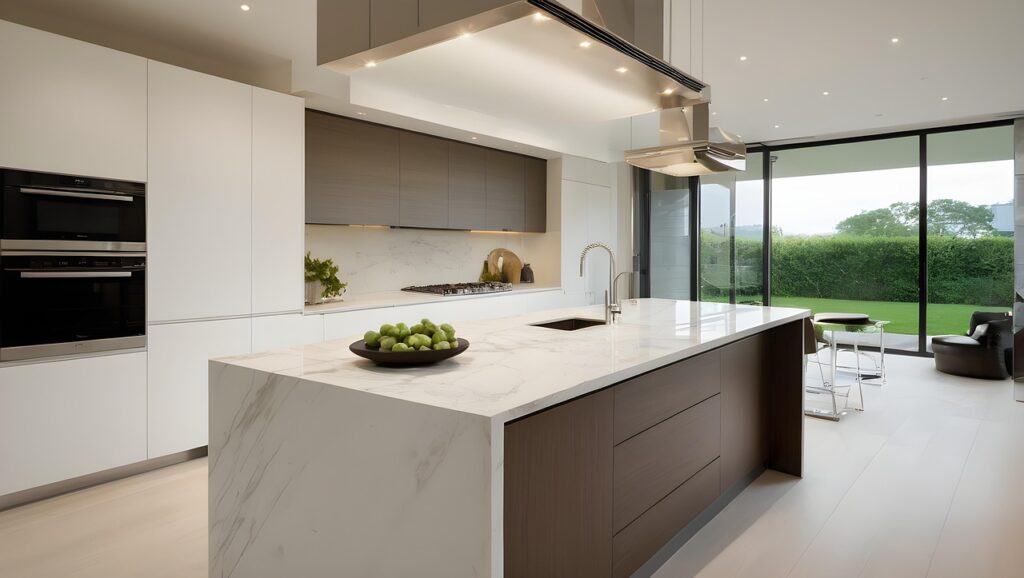
10 Common Mistakes to Avoid While Designing a Kitchen The kitchen is one of the busiest spaces in any home. A well-designed kitchen makes cooking easier, improves storage, and enhances the overall value of your home. However, many homeowners focus only on appearance and overlook functionality, leading to costly mistakes. Here are the 10 most common kitchen design mistakes and how to avoid them. 1. Ignoring the Kitchen Work Triangle The sink, hob, and refrigerator should form an efficient “work triangle.” If these three elements are too far apart or poorly positioned, cooking becomes tiring and inefficient. Tip: Keep the distance between each point balanced for smooth movement while cooking. 2. Not Planning Enough Storage One of the biggest regrets homeowners have is running out of storage space. Include: Smart storage keeps your kitchen organized and clutter-free. 3. Choosing Style Over Function A beautiful kitchen isn’t always practical. High-gloss finishes, open shelves, or trendy layouts may look attractive but can require frequent maintenance. Always prioritize: 4. Poor Lighting Design A single ceiling light is not enough for a modern kitchen. Use layered lighting: Good lighting improves both safety and aesthetics. 5. Wrong Countertop Height A countertop that is too high or too low can cause discomfort during daily use. For most Indian homes, a countertop height of 34–36 inches (860–915 mm) is comfortable, though it can be adjusted based on the primary user’s height. 6. Poor Ventilation Without proper ventilation, cooking odors, grease, and moisture can spread throughout the house. Plan for: 7. Choosing Low-Quality Materials The kitchen experiences heat, moisture, and heavy daily use. Using inexpensive materials may lead to swelling, peeling, or damage. Choose: Quality materials reduce maintenance costs over time. 8. Ignoring Electrical Planning Many kitchens lack enough electrical points, leading to extension cords and inconvenience. Plan outlets for: Include future appliance needs during the planning stage. 9. Not Leaving Enough Counter Space Insufficient workspace makes meal preparation difficult. Aim to keep a clear preparation area between the sink and hob whenever possible, along with additional space for small appliances. 10. Hiring Without Proper Planning Starting construction without detailed drawings often results in errors, delays, and additional costs. Before work begins, ensure you have: Proper planning minimizes site changes and helps achieve a better finish. Bonus Tips for a Perfect Kitchen ✔ Use soft-close hardware for longer life.✔ Install pull-out baskets for easy access.✔ Add under-cabinet LED lighting for better visibility.✔ Select stain-resistant countertops.✔ Include dedicated waste segregation bins.✔ Ensure enough clearance for cabinet and appliance doors to open comfortably. Final Thoughts A kitchen should be more than just visually appealing—it should be functional, durable, and tailored to your lifestyle. By avoiding these common design mistakes and investing in thoughtful planning, you can create a kitchen that remains efficient, comfortable, and stylish for years to come. Find us on Google – https://share.google/IZUJEfmj1JaAOfZJD Green and Young Interiors Awards –https://greenandyoung.in/achievemets/
Louvers Design
Latest Interior Trends

50 Latest Living Room Design Ideas for Your Home

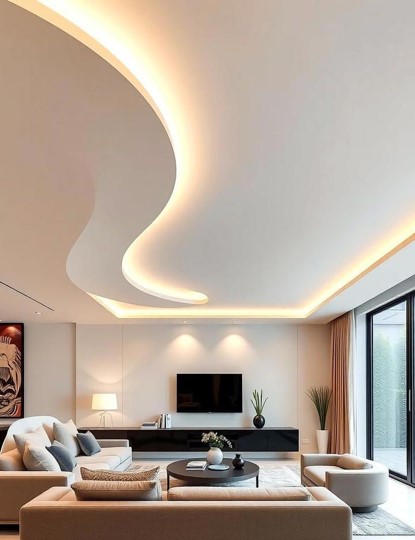
50 Latest Living Room Design Ideas for Your Home (2026 Guide) The living room is the heart of every home. It’s where families spend quality time, entertain guests, and create lasting memories. Whether you’re building a new home or renovating an existing one, choosing the right living room design can completely transform your space. Here are 50 latest living room design ideas that combine elegance, functionality, and modern trends. 1. Minimalist Living Room Clean lines, neutral colors, and clutter-free furniture create a calm and sophisticated atmosphere. 2. Modern Luxury Living Room Use premium materials like marble, brass accents, velvet upholstery, and designer lighting for a luxurious look. 3. Curved Furniture Rounded sofas and coffee tables are becoming one of the biggest interior trends of 2026. 4. Statement TV Unit Design a TV wall with fluted panels, backlit marble, or textured laminates to make it the focal point. 5. Warm Neutral Color Palette Cream, beige, greige, taupe, and ivory create a timeless and inviting ambiance. 6. Marble Accent Walls Italian marble or book-matched porcelain slabs instantly elevate your living room. 7. Wooden Wall Panels Natural wood textures bring warmth and elegance to modern interiors. 8. Fluted Panel Designs Vertical fluted panels add texture without overwhelming the space. 9. Cove Lighting Indirect LED lighting creates a soft, luxurious atmosphere. 10. False Ceiling with LED Profiles Minimal false ceilings featuring linear profile lights remain a favorite. 11. Floor-to-Ceiling Curtains Long curtains make ceilings appear higher and rooms more spacious. 12. Large Area Rugs A well-chosen rug helps define the seating area beautifully. 13. Floating TV Console Wall-mounted cabinets provide a sleek, modern appearance. 14. Smart Home Integration Control lights, curtains, AC, and entertainment systems through your smartphone. 15. Indoor Plants Large indoor plants improve aesthetics and indoor air quality. 16. Designer Pendant Lights Pendant lights create visual interest while adding warmth. 17. Oversized Artwork Large paintings become instant conversation starters. 18. Mirror Feature Walls Mirrors reflect natural light and make small living rooms feel larger. 19. Hidden Storage Furniture Storage ottomans and multifunctional furniture keep the room clutter-free. 20. Floating Shelves Minimal floating shelves beautifully display décor and books. 21. Glass Partitions Separate spaces while maintaining openness and natural light. 22. Textured Wallpapers Modern wallpapers add depth without making the room feel busy. 23. Soft Curved Ceilings Organic ceiling shapes are replacing traditional box designs. 24. Metallic Accents Gold, brass, and champagne finishes add understated luxury. 25. Layered Lighting Combine ambient, accent, and task lighting for a balanced look. 26. Open Layout Design Merge the living and dining areas for a spacious feel. 27. Stone Veneer Walls Natural stone adds texture and timeless appeal. 28. Neutral Fabric Sofas High-quality linen or boucle fabrics are trending in modern homes. 29. Modular Seating Flexible seating arrangements adapt to different occasions. 30. Built-in Display Units Showcase books, art, and collectibles with integrated lighting. 31. Decorative Wall Mouldings Classic mouldings paired with modern furniture create a sophisticated look. 32. Elegant Console Tables Perfect for entryways or behind sofas. 33. Sculptural Coffee Tables Unique shapes add character to the room. 34. Floating Ceiling Panels Modern ceiling designs create visual depth. 35. Integrated Sound Systems Concealed speakers provide a clean entertainment setup. 36. Layered Cushions and Throws Add warmth, texture, and seasonal color updates. 37. Matte Finish Furniture Matte laminates provide a premium contemporary appearance. 38. Wooden Ceiling Accents Wooden ceiling strips bring warmth to modern spaces. 39. Accent Chairs Introduce bold colors or unique shapes without overwhelming the room. 40. Built-in Electric Fireplace A stylish feature even in warmer climates, offering ambiance year-round. 41. Large Sliding Glass Doors Maximize natural light and create a seamless indoor-outdoor connection. 42. Open Bookshelves Combine storage with decorative display. 43. Artistic Lighting Fixtures Designer chandeliers and sculptural lights become statement pieces. 44. Monochromatic Interiors Different shades of one color create harmony and elegance. 45. Sustainable Materials Eco-friendly wood, bamboo, recycled materials, and low-VOC paints are increasingly popular. 46. Smart Blinds Automated blinds improve convenience and energy efficiency. 47. Custom Wall Niches LED-lit niches beautifully display sculptures and décor. 48. Luxury Marble Flooring Large-format marble-look tiles create a seamless, elegant finish. 49. Mixed Material Design Combine wood, glass, metal, marble, and fabric for visual richness. 50. Personalized Living Room Design Customize every detail—from furniture and artwork to lighting and finishes—to reflect your lifestyle and personality. Final Thoughts A well-designed living room blends comfort, functionality, and style. The latest trends focus on clean lines, natural materials, smart technology, warm neutral tones, and timeless finishes that remain elegant for years. Whether you prefer a minimalist aesthetic or a luxurious modern-classic interior, choosing quality materials, thoughtful lighting, and practical layouts will create a space that feels both beautiful and welcoming. Looking to transform your living room? At Green & Young Interiors, we specialize in designing customized living spaces that match your lifestyle, budget, and vision—from concept to execution. Our team creates functional, elegant interiors using premium materials, innovative designs, and meticulous craftsmanship to turn your dream living room into reality. Find us on Google – https://share.google/IZUJEfmj1JaAOfZJD Green and Young Interiors Awards –https://greenandyoung.in/achievemets/

Interior Design
Latest Interior Trends

Why It Is So Important to Deal with Interior Clients Properly?

In interior design, your work is not just about materials, drawings, or execution—it’s about people. How you handle clients directly impacts your projects, profits, and reputation. 1. Clients Define the Project Every interior project starts and ends with the client. 👉 If you understand the client well, the design becomes successful. 2. Clear Communication Avoids Problems Most site issues happen due to miscommunication. Proper client handling ensures: 3. Builds Trust & Confidence Interior projects involve high investment and emotions.Clients trust you with their home or space. 👉 Good communication builds: 4. Reduces Design Rework When clients are not handled properly: 👉 Understanding them early saves: 5. Ensures Timely Payments Payment delays often come from poor client management. 👉 Good client handling leads to: 6. Leads to Referrals & More Business Satisfied clients are your best marketing tool. 👉 One happy client = multiple future clients 7. Handles Expectations Realistically Clients often have: 👉 Your role is to: 8. Improves Your Brand Image Professional client dealing shows: 👉 This builds a strong brand reputation in the market. ✨ Final Thought Interior design is 50% design + 50% client handling.Even the best design can fail if the client relationship is weak. 👉 When you manage clients well: Find us on Google – https://share.google/IZUJEfmj1JaAOfZJD Green and Young Interiors Awards –https://greenandyoung.in/achievemets/
High and Low Elements
Latest Interior Trends

How to Save Money Without Compromising Design?

Creating a beautiful home doesn’t always require a huge budget. Smart planning and thoughtful choices can help you achieve a premium look while staying cost-effective. 1. Plan Before You Spend The biggest mistake is starting without a clear plan. 2. Invest Where It Matters Not everything needs to be expensive. Prioritize: Spend more on durability, and save on purely decorative items. 3. Mix High & Low Elements Balance is the key to smart interiors: This creates a luxurious feel without overspending. 4. Choose Cost-Effective Materials You don’t always need the most expensive options: Good alternatives can look equally stylish and last long. 5. Keep the Design Minimal Simple designs are not only elegant but also economical: 6. Use Modular & Ready-Made Solutions 7. Focus on Lighting Instead of Décor Lighting can elevate a space instantly: 8. Reuse & Refurbish This saves money while maintaining a fresh look. 9. Avoid Trend Overload Trends change quickly and can become expensive: 10. Work with Professionals Smartly Hiring a designer can actually save money: ✨ Final Thought Saving money in interior design is not about cutting corners—it’s about making smart choices. When you focus on planning, functionality, and balanced spending, you can create a space that looks premium without overshooting your budget. Find us on Google – https://share.google/IZUJEfmj1JaAOfZJD Green and Young Interiors Awards –https://greenandyoung.in/achievemets/
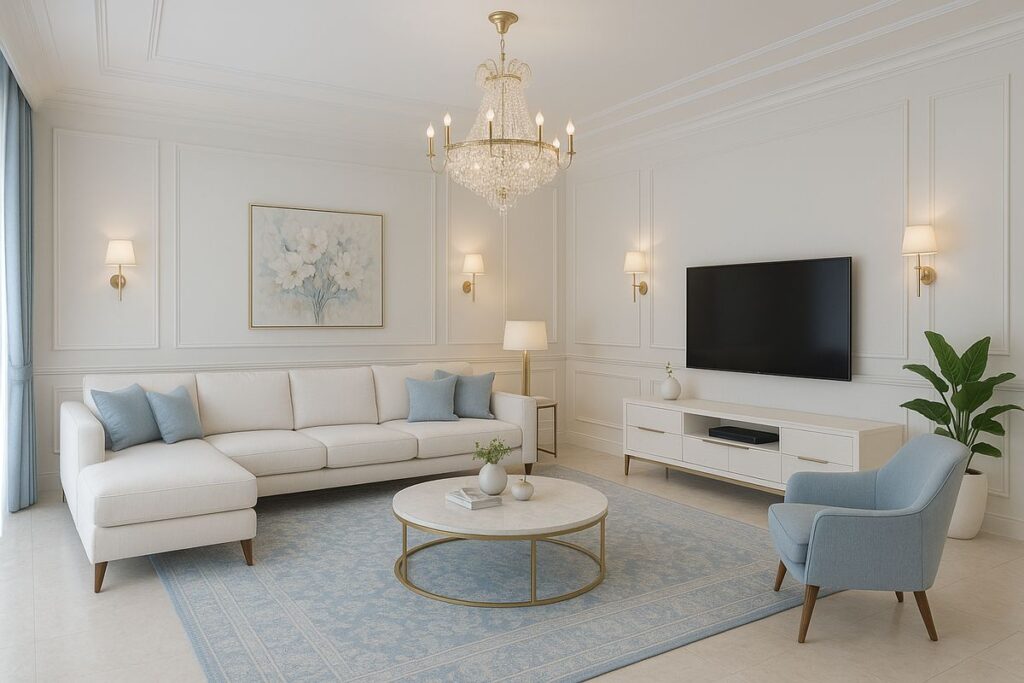
MInimal Interior Work
Latest Interior Trends

How to Design a Rental Home Without Permanent Changes?

Designing a rental home can feel limiting, but with the right approach, you can create a stylish and functional space—without making permanent modifications or risking your deposit. 1. Start with a Flexible Layout Since you can’t alter walls or built-ins, focus on furniture placement. 2. Use Temporary Wall Solutions Walls make the biggest visual impact—without drilling or painting permanently: These options add personality and can be removed easily when you move out. 3. Invest in Statement Furniture In rental homes, furniture becomes the main design element. 4. Upgrade Lighting Creatively Most rentals come with basic lighting, but you can enhance it without rewiring: Lighting can completely change the mood of your space. 5. Style with Soft Furnishings Textiles are your best friend in rental interiors: They add comfort and are easy to change anytime. 6. Bring in Greenery Plants instantly elevate any rental space: They make the home feel lively and personalized. 7. Use Removable Storage Solutions Since fixed storage may be limited: 8. Decor Without Damage Avoid drilling holes by using: This keeps the walls intact while still adding style. 9. Personalize with Accessories Make the space feel like yours: 10. Think Temporary, Yet Intentional The key is to design smartly without permanence. Every item should be: ✨ Final Thought A rental home doesn’t have to feel temporary. With smart choices and creative solutions, you can design a space that feels warm, stylish, and truly yours—without making permanent changes. Find us on Google – https://share.google/IZUJEfmj1JaAOfZJD Green and Young Interiors Awards –https://greenandyoung.in/achievemets/
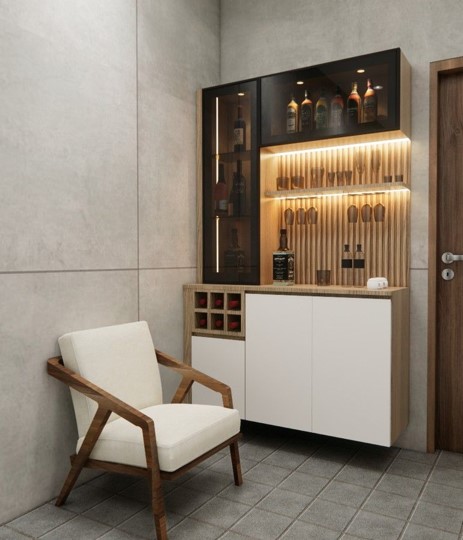
Interior Material
Latest Interior Trends

How to deal with Interior work material?

Dealing with interior work materials properly is important to control quality, cost, and project timelines. Here are some practical steps used by professional interior firms. 1. Proper Material Planning Before starting the project, prepare a material list based on drawings and design.Include items like: Good planning helps avoid shortages, delays, and extra purchases. 2. Purchase from Trusted Suppliers Always source materials from reliable vendors or authorized dealers. This ensures: For example, using quality boards from brands like CenturyPly, Greenply, or laminates from Merino Laminates helps maintain durability in interior projects. 3. Check Material Quality on Delivery When materials arrive at the site or workshop: This avoids using poor-quality materials during installation. 4. Proper Storage at Site Interior materials should be stored carefully: Good storage prevents material damage and wastage. 5. Maintain a Material Record Keep a material tracking sheet including: This helps in cost control and project transparency. 6. Minimize Wastage Interior teams should: This reduces material waste and extra expenses. 7. Follow Proper Installation Materials should be installed according to design drawings and manufacturer guidelines. Proper installation improves: ✅ In simple terms:Handling interior materials well means planning, quality checking, safe storage, and controlled usage to ensure the project runs smoothly and stays within budget. Find us on Google – https://share.google/IZUJEfmj1JaAOfZJD Green and Young Interiors Awards –https://greenandyoung.in/achievemets/
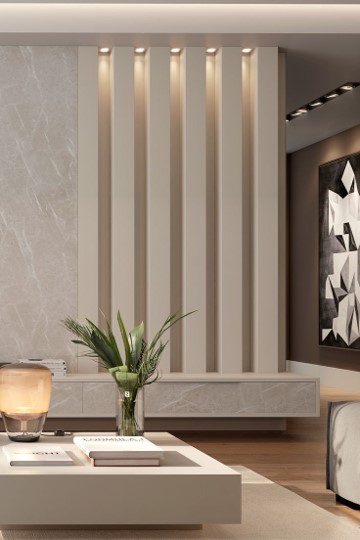
Need Help?
Scroll to Top

Book A Free Constitution