
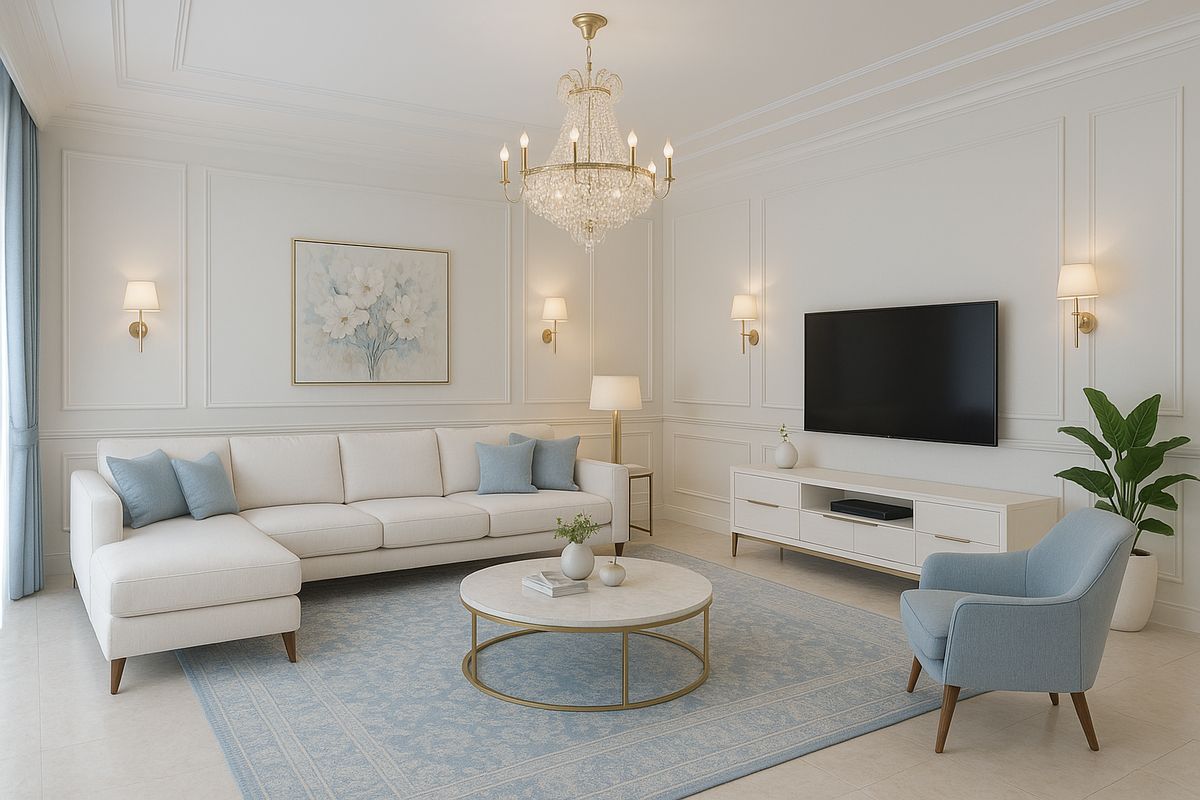
Creating a beautiful home doesn’t always require a huge budget. Smart planning and thoughtful choices can help you achieve a premium look while staying cost-effective.
1. Plan Before You Spend
The biggest mistake is starting without a clear plan.
- Finalize layout, materials, and color palette in advance
- Avoid last-minute changes (they increase cost)
A well-planned design always saves money in execution.

2. Invest Where It Matters
Not everything needs to be expensive. Prioritize:
- Kitchen and storage (daily use)
- Hardware (hinges, channels)
- Electrical fittings
Spend more on durability, and save on purely decorative items.
3. Mix High & Low Elements
Balance is the key to smart interiors:
- Pair a premium sofa with budget décor
- Use high-end finishes only in focal areas
- Keep secondary spaces simple
This creates a luxurious feel without overspending.
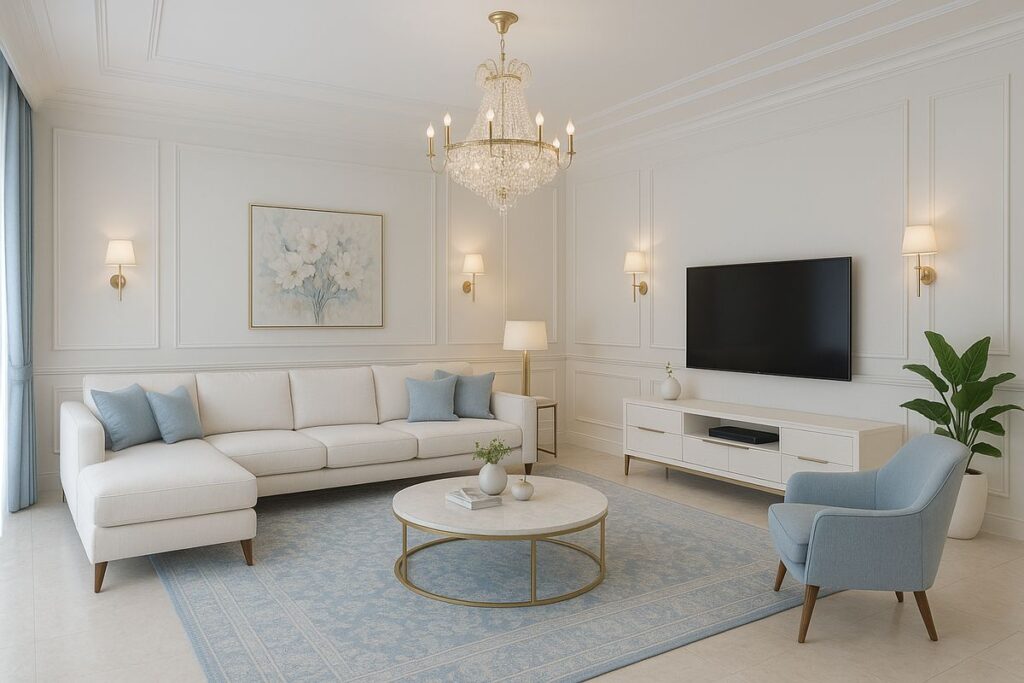
4. Choose Cost-Effective Materials
You don’t always need the most expensive options:
- Laminates instead of veneer
- MDF/HDHMR instead of solid wood
- Quartz instead of marble (in many cases)
Good alternatives can look equally stylish and last long.
5. Keep the Design Minimal
Simple designs are not only elegant but also economical:
- Avoid excessive detailing and complex carpentry
- Clean lines reduce labor and material costs
Minimalism = lower cost + modern appeal.
6. Use Modular & Ready-Made Solutions
- Modular kitchens and wardrobes save time and labor
- Factory finishes are often more consistent and cost-efficient
- Easy installation reduces on-site expenses
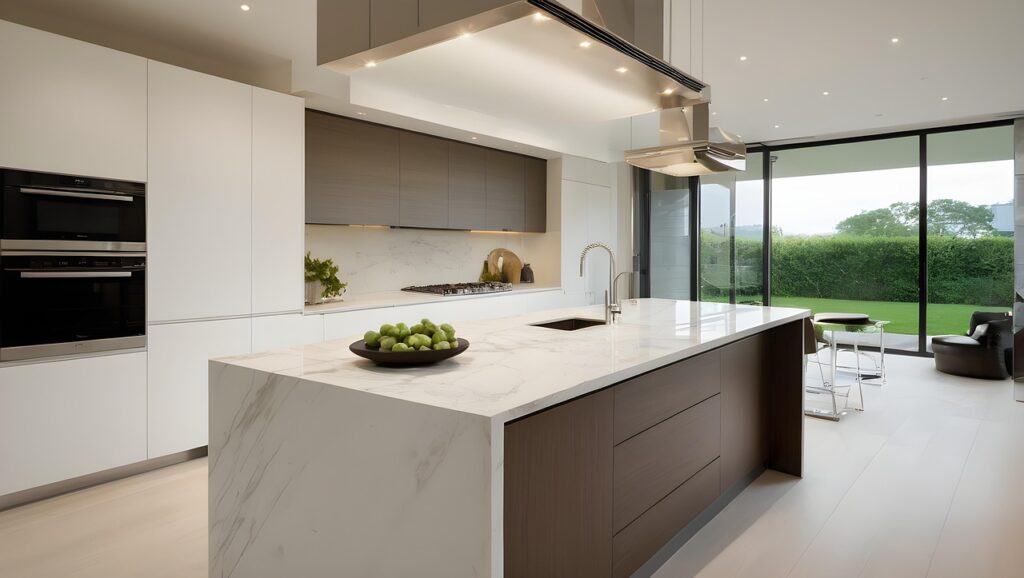
7. Focus on Lighting Instead of Décor
Lighting can elevate a space instantly:
- Use warm ambient lighting
- Add a few statement lights instead of many décor items
Good lighting can make even simple interiors look premium.
8. Reuse & Refurbish
- Polish or repaint existing furniture
- Reupholster sofas instead of buying new
- Reuse décor items creatively
This saves money while maintaining a fresh look.
9. Avoid Trend Overload
Trends change quickly and can become expensive:
- Stick to timeless designs for major elements
- Add trends through accessories (easy to replace)
10. Work with Professionals Smartly
Hiring a designer can actually save money:
- Avoid costly mistakes
- Get better vendor pricing
- Efficient space and material planning
✨ Final Thought
Saving money in interior design is not about cutting corners—it’s about making smart choices. When you focus on planning, functionality, and balanced spending, you can create a space that looks premium without overshooting your budget.
Find us on Google – https://share.google/IZUJEfmj1JaAOfZJD
Green and Young Interiors Awards –https://greenandyoung.in/achievemets/