
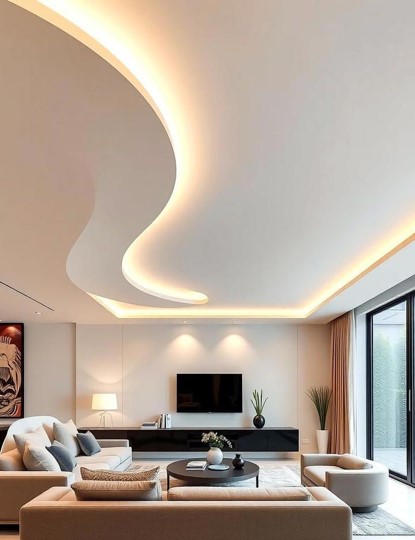
How Artificial Intelligence and Smart Technology Are Transforming Modern Homes
The modern home is no longer just about beautiful furniture and stylish décor—it’s about creating spaces that are intelligent, efficient, secure, and personalized. As Artificial Intelligence (AI) and smart home technology continue to evolve, interior design is becoming more connected than ever. From voice-controlled lighting to AI-powered climate control, today’s homes are designed to make everyday life simpler and more comfortable.
Whether you’re building a new home or renovating an existing one, integrating AI and smart technology can future-proof your living space while enhancing convenience and energy efficiency.
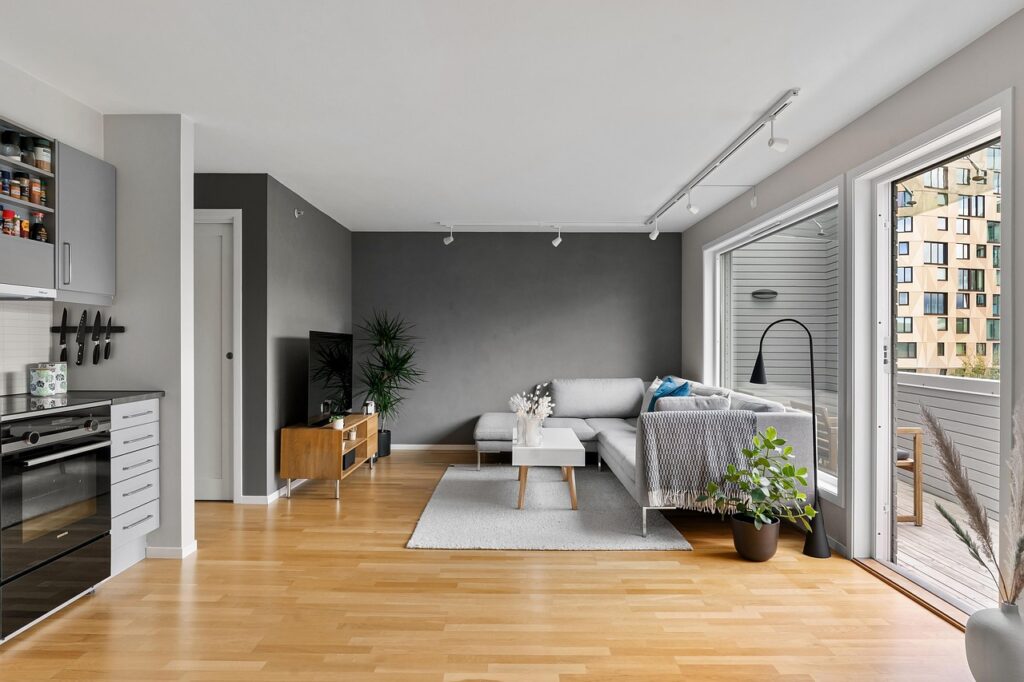
What is a Smart Home?
A smart home uses internet-connected devices that allow homeowners to monitor and control various systems through a smartphone, tablet, or voice assistant.
These systems can include:
- Lighting
- Air conditioning
- Security cameras
- Door locks
- Curtains and blinds
- Entertainment systems
- Kitchen appliances
- Water heaters
- Energy management
With AI, these devices can also learn your habits and automatically adjust settings based on your daily routine.
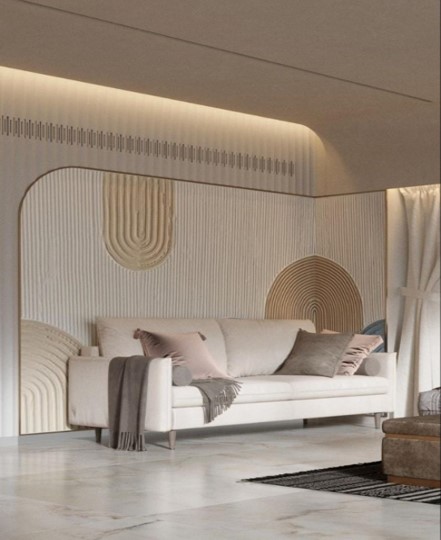
How AI is Changing Interior Design
Artificial Intelligence is helping both designers and homeowners make smarter decisions.
1. Personalized Interior Design
AI can analyze your lifestyle, preferences, and space requirements to recommend:
- Furniture layouts
- Color combinations
- Lighting schemes
- Storage solutions
- Material selections
This creates interiors that are customized rather than following generic trends.
2. Intelligent Lighting
Smart lighting systems can:
- Adjust brightness automatically
- Change color temperature throughout the day
- Create preset moods
- Turn lights off when rooms are empty
- Reduce electricity consumption
Imagine walking into your living room and having the lights automatically switch to your favorite evening setting.

3. Smart Climate Control
AI-powered thermostats learn your daily schedule and optimize indoor temperatures automatically.
Benefits include:
- Lower electricity bills
- Better comfort
- Improved energy efficiency
- Reduced environmental impact
4. Voice-Controlled Homes
Voice assistants can control multiple home functions without touching a switch.
Examples include:
- Turning lights on or off
- Opening curtains
- Playing music
- Adjusting AC temperature
- Locking doors
- Setting reminders
This is especially helpful for children, senior citizens, and people with limited mobility.
5. Smart Security Systems
Modern security is more than CCTV cameras.
Smart homes now include:
- Video doorbells
- Facial recognition cameras
- Motion sensors
- Smart locks
- Remote monitoring
- Instant mobile alerts
These features improve both convenience and peace of mind.
AI in Kitchen Design
Modern kitchens are becoming smarter every year.
Popular features include:
- Smart refrigerators that monitor food inventory
- Voice-controlled appliances
- Touchless faucets
- Smart chimneys
- Automated lighting
- Motion-sensor cabinets
These technologies improve hygiene, save time, and make cooking more convenient.

AI in Bedroom Design
Smart bedrooms focus on comfort and wellness.
Features include:
- Automated curtains
- Smart bedside lighting
- Sleep monitoring systems
- Voice-controlled fans and AC
- Smart alarm systems
- Automated wardrobe lighting
The result is a more relaxing and personalized sleeping environment.
Smart Living Room Ideas
The living room is often the central hub of a smart home.
Trending features:
- Motorized curtains
- Smart TVs with voice assistants
- Hidden wireless charging stations
- Automated ambient lighting
- Smart speakers
- Integrated home theatre systems
These features combine entertainment with convenience while maintaining a clean, modern look.
Energy-Efficient Homes
AI helps homeowners reduce energy consumption by:
- Switching off unused lights
- Optimizing air conditioning
- Monitoring electricity usage
- Managing solar power systems
- Scheduling appliance operation
This lowers utility bills while supporting sustainable living.

Smart Storage Solutions
Interior designers are integrating technology into storage with:
- Sensor-based wardrobe lighting
- Motorized wardrobes
- Digital locker systems
- Hidden charging drawers
- Automated kitchen pull-outs
These additions improve organization without compromising aesthetics.
Designing for the Future
When planning a smart home, consider these essentials from the beginning:
- Electrical points for future smart devices
- Wi-Fi coverage throughout the house
- Space for network equipment
- Concealed wiring
- Backup power for critical systems
- Flexible layouts that accommodate technology upgrades
Planning early helps avoid expensive modifications later.
Benefits of AI & Smart Home Integration
- Greater convenience in daily life
- Improved home security
- Better energy efficiency
- Personalized automation
- Enhanced comfort
- Remote control of home systems
- Reduced maintenance through predictive alerts
- Increased property value
- Future-ready living spaces
Things to Consider Before Installing Smart Home Technology
Before investing in smart devices, ask yourself:
- Which features will genuinely improve your daily routine?
- Are the devices compatible with each other?
- Can they be controlled from a single app?
- Is your home network reliable enough to support them?
- Can the system be expanded in the future?
A well-planned ecosystem is often more useful than filling a home with unrelated gadgets.
Final Thoughts
AI and smart home technology are transforming interior design by making homes more intuitive, efficient, and responsive. The best smart homes don’t just add technology—they integrate it seamlessly into the design so that it enhances everyday living without dominating the space.
By combining thoughtful interior planning with reliable smart systems, homeowners can create spaces that are beautiful today and adaptable for the future.
Find us on Google – https://share.google/IZUJEfmj1JaAOfZJD
Green and Young Interiors Awards –https://greenandyoung.in/achievemets/