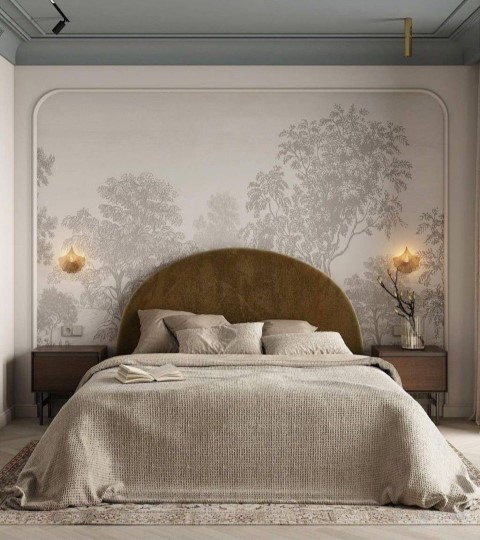
2026 Highlighter Wall Trends: Outstanding Designs and Expert Advice
A highlighter wall (often called an accent wall or feature wall) is a single wall that’s intentionally styled differently from the rest — through color, texture, material, pattern, or art — to create a visual focal point in a room. 🧠 1. They Define Focus & Mood Highlight walls act as visual anchors that immediately draw the eye and set the emotional tone of a space. Whether it’s a rich earthy tone behind a bed or a textured wall in a living room, this design choice helps define where attention should go first — be it seating areas, art, or architectural features. 🛋️ 2. They Add Personality Without Overwhelming Unlike full room color changes, accent walls let you introduce bold color, pattern, or materials while keeping the rest of the space calm and balanced. This makes them perfect for clients who want style without visual overload. 🪵 3. They Can Create Depth & Dimension Using materials like wood slats, stone, wallpaper, or textured plaster on a highlight wall adds physical depth, not just color contrast. This technique enhances perception of space, especially in minimal interiors where furniture is simple and uncluttered. 🌍 4. Earthy, Nature-Inspired Tones Are Trending 2026 sees highlighter walls trending toward earth-inspired shades — terracotta, olive green, taupe, warm charcoal — that soften interiors and harmonize with natural materials like wood and linen. These tones feel both modern and soothing, fitting well with the broader push toward calm, grounded interiors. 📐 5. Geometric & Artistic Walls Add Structure Beyond simple color contrast, accent walls in 2026 often include geometric paint treatments, decorative battens, or layered color blocking to create visual rhythm and architectural interest. These designs elevate a flat wall into a design feature on its own. 🖼️ 6. But the Concept Is Evolving While accent walls remain useful, leading designers are also exploring alternatives like tapestries and textile wall art, ceilings as focal surfaces (“the fifth wall”), or fully integrated murals — showing that the idea of highlighting walls is shifting from a standalone paint wall to multisensory, texture-rich storytelling layers in design. ✨ 7. Practical Benefits for Everyday Interiors ✔️ Breaks monotony: A single styled wall makes long rooms feel intentional.✔️ Cost-effective update: Accent walls usually require less material & effort than full room makeovers.✔️ Easy to personalize: Colors, wallpapers, murals, and textures let homeowners express style without heavy renovation.✔️ Improves spatial definition: In open-plan layouts, an accent wall can subtly distinguish zones (e.g., dining vs. living). 🏡 When to Use a Highlighter Wall ✅ Behind beds to create cozy focal points✅ Around TV/media units to define entertainment areas✅ In entryways to set first impressions✅ Home offices for focused moods✅ Staircases or hallways to add visual interest 📍 In Short Highlighter walls continue to be relevant, but their role is evolving from simple painted contrasts to integrated design features that use texture, pattern, shadow, and material depth to shape mood and space. They’re no longer just decorative — they’re storytelling surfaces that influence how a room feels and functions. Find us on Google – https://share.google/IZUJEfmj1JaAOfZJD Green and Young Interiors Awards –https://greenandyoung.in/achievemets/