2026 Latest Interior Designs “That Can Reduce Stress and Improve Day to Day Life”.

In today’s fast-paced world, our homes and workspaces play a crucial role in shaping how we feel, think, and function. Interior design is no longer just about aesthetics—it’s about well-being, balance, and to reduce Stress. Thoughtfully designed interiors can significantly reduce Stress, enhance mood, and improve overall quality of life 🧠 The Connection Between Space and Mind Our surroundings constantly influence our nervous system. Cluttered, poorly lit, or noisy spaces can increase Stress and fatigue, while calm, balanced interiors promote relaxation and focus. Designing with well-being in mind means creating environments that support emotional comfort, clarity, and rest. 🌿 1. Biophilic Design: Bringing Nature Indoors Nature has a proven calming effect on the human mind. How it helps: Design ideas: 🎨 2. Color Psychology & Emotional Balance Colors deeply influence emotions and energy levels. Stress-reducing colors: Tip: Avoid overly harsh contrasts or excessive dark tones in living spaces meant for relaxation. 💡 3. Lighting That Supports Mental Health Poor lighting can lead to eye strain, low mood, and fatigue. Well-being-focused lighting includes: Lighting that mimics natural daylight rhythms helps regulate sleep and energy levels. 🧹 4. Clutter-Free, Organized Spaces Visual clutter often equals mental clutter. How organization improves daily life: Design approach: 🪑 5. Comfort, Ergonomics & Flow Physical discomfort impacts mental well-being. Well-being design considers: A space that “flows” well feels lighter and more peaceful. 🔇 6. Acoustics & Quiet Zones Noise pollution increases stress levels, especially in urban homes. Solutions include: 🕯️ 7. Personalization & Emotional Connection Spaces should feel personal, not perfect. Mental well-being improves when a space includes: When people feel emotionally connected to their space, they feel more at ease. 🌱 Designing for Well-Being Is Designing for Life Well-being-focused interiors don’t need to be expensive or elaborate. Small, thoughtful decisions—color, light, layout, materials—can transform how a space feels and how people live within it. At its core, designing for mental health means creating spaces that: Find us on Google – https://share.google/IZUJEfmj1JaAOfZJD Green and Young Interiors Awards –https://greenandyoung.in/achievemets/

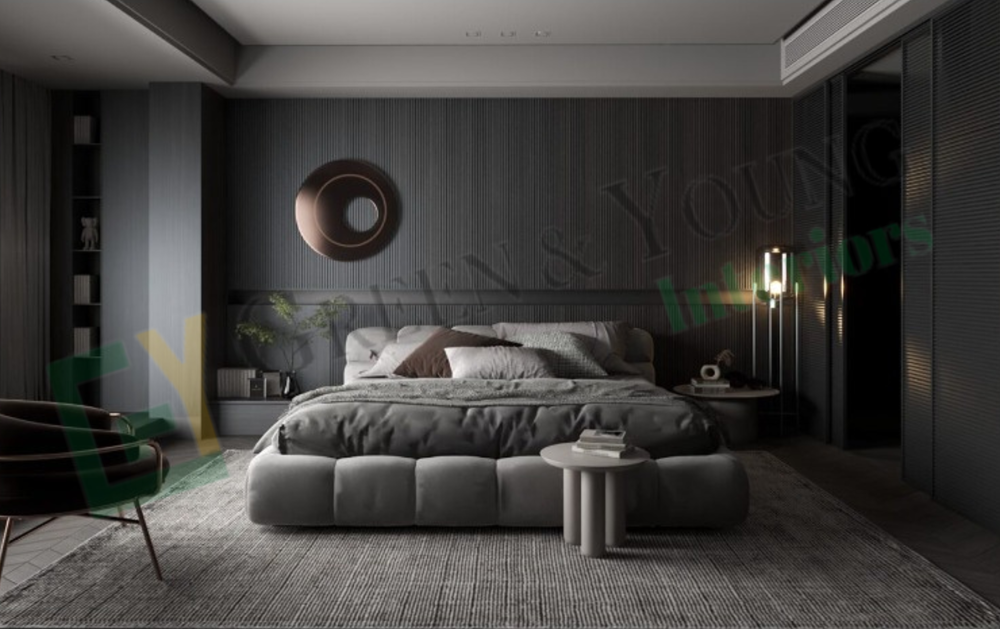
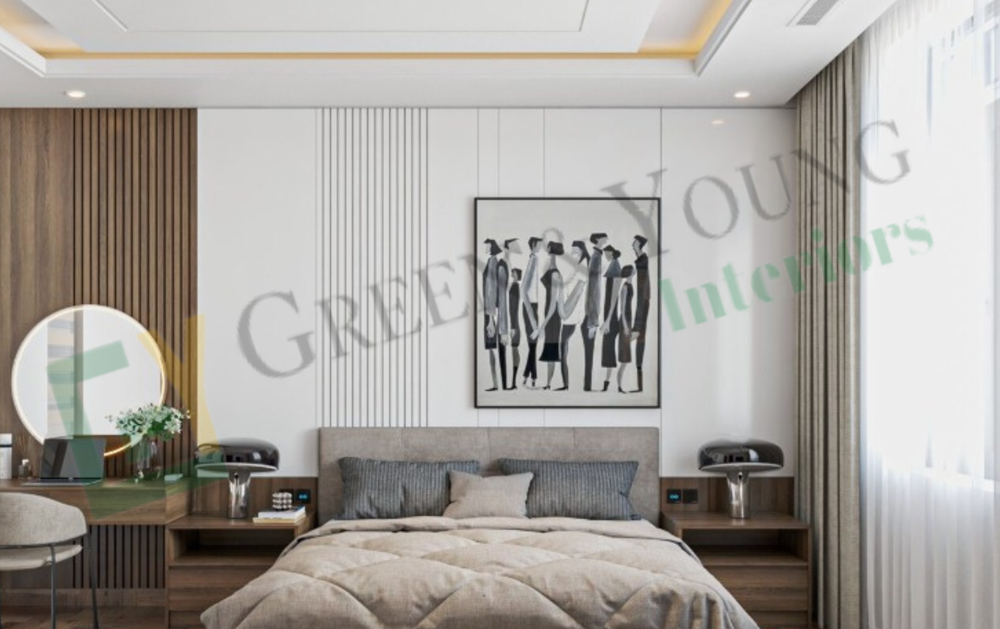
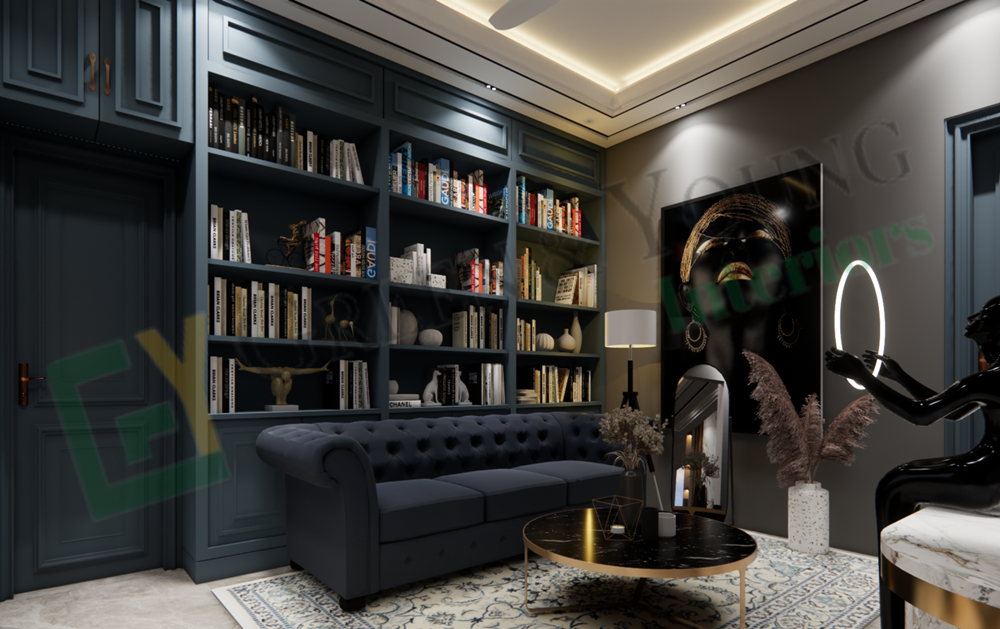
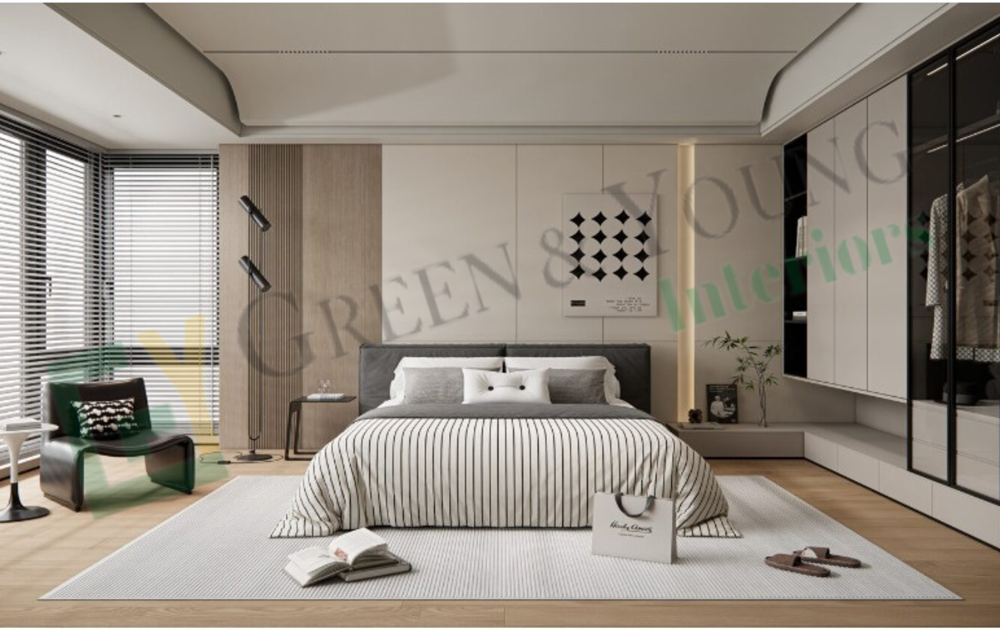
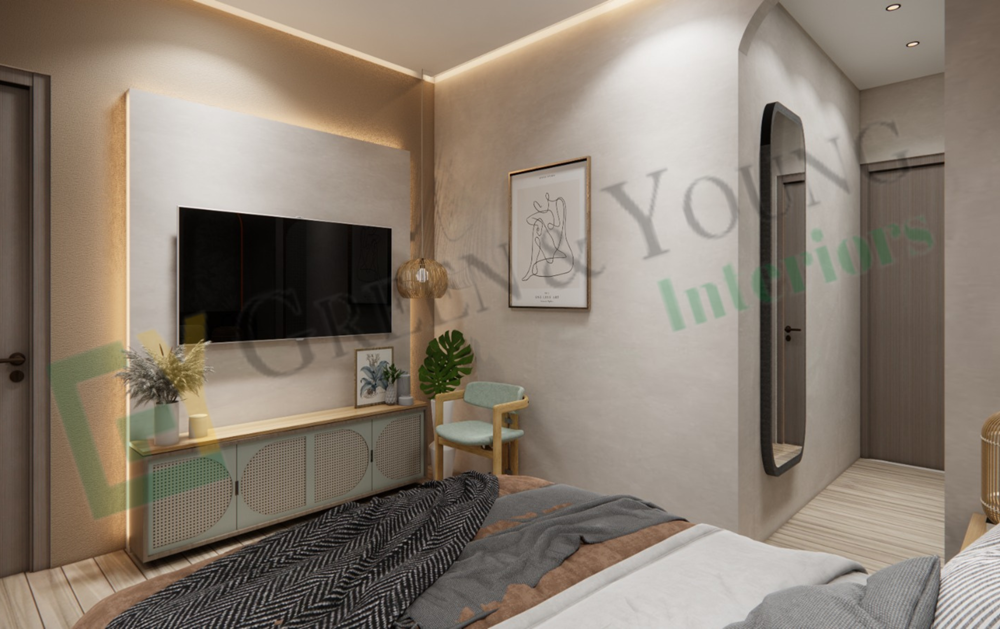
Stress Free Design

In today’s fast-paced world, our homes and workspaces play a crucial role in shaping how we feel, think, and function. Interior design is no longer just about aesthetics—it’s about well-being, balance, and to reduce Stress.

Thoughtfully designed interiors can significantly reduce Stress, enhance mood, and improve overall quality of life

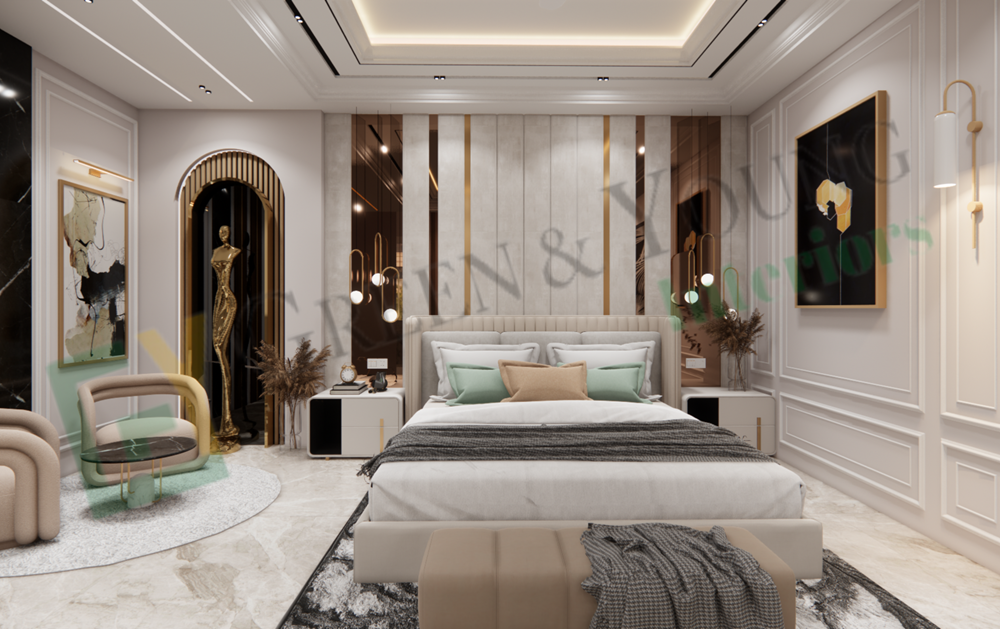
Stress Free Design
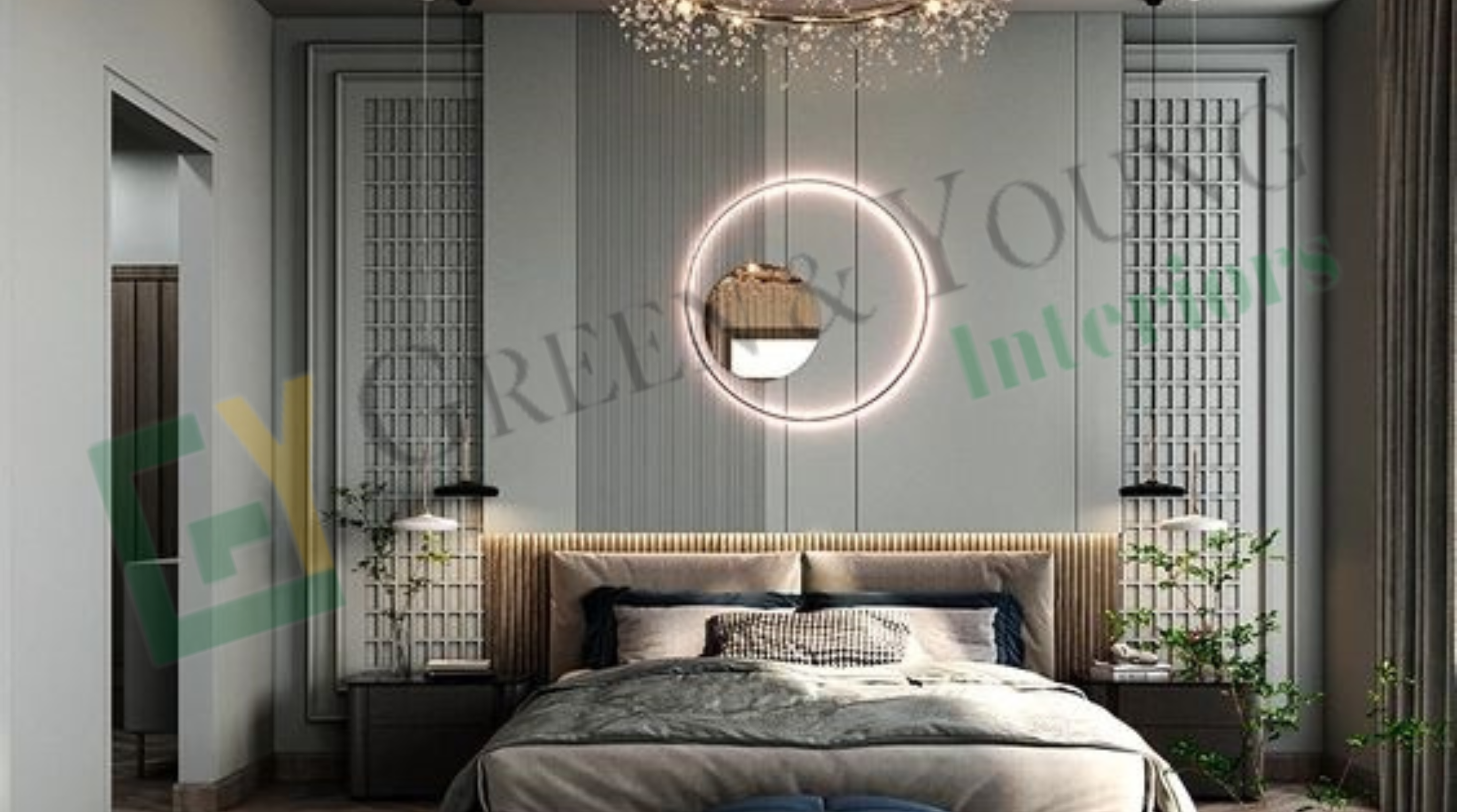
Stress Free Design

🧠 The Connection Between Space and Mind

Our surroundings constantly influence our nervous system. Cluttered, poorly lit, or noisy spaces can increase Stress and fatigue, while calm, balanced interiors promote relaxation and focus.

Designing with well-being in mind means creating environments that support emotional comfort, clarity, and rest.


🌿 1. Biophilic Design: Bringing Nature Indoors

Nature has a proven calming effect on the human mind.

How it helps:

  • Reduces stress and mental fatigue
  • Improves mood and concentration
  • Creates a sense of calm and grounding

Design ideas:

  • Indoor plants or green walls
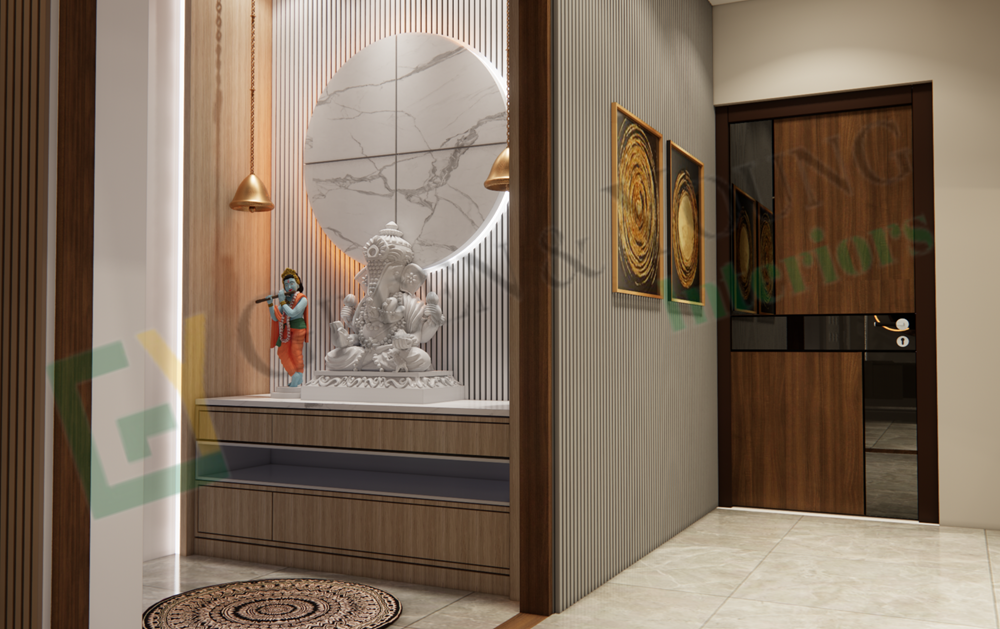
  • Natural materials like wood, stone, jute, and linen
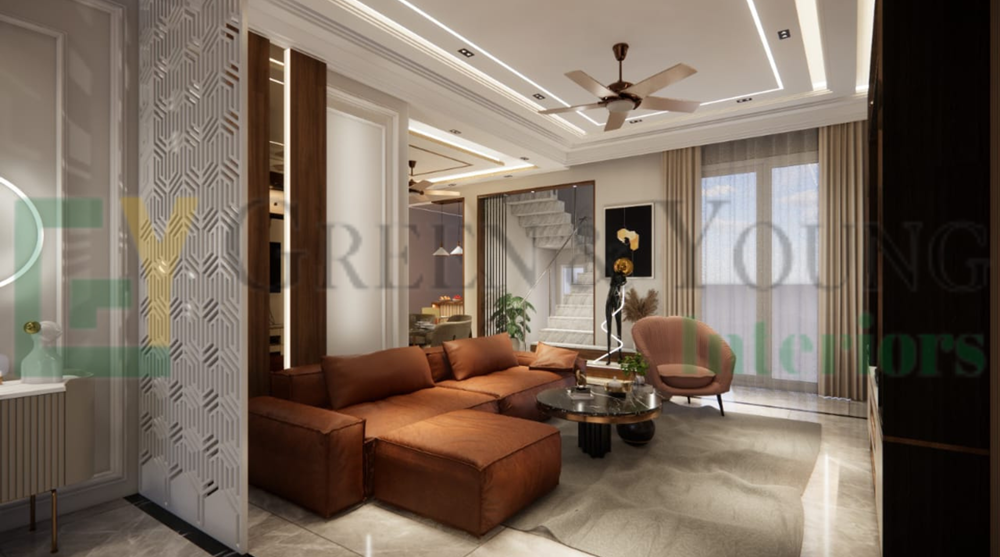
  • Large windows, daylight, and outdoor views
  • Earthy, nature-inspired color palettes
Nature reduces Stress

🎨 2. Color Psychology & Emotional Balance

Colors deeply influence emotions and energy levels.

Stress-reducing colors:

  • Soft greens & sage: Calm, balance, renewal
  • Muted blues: Peace, relaxation, mental clarity
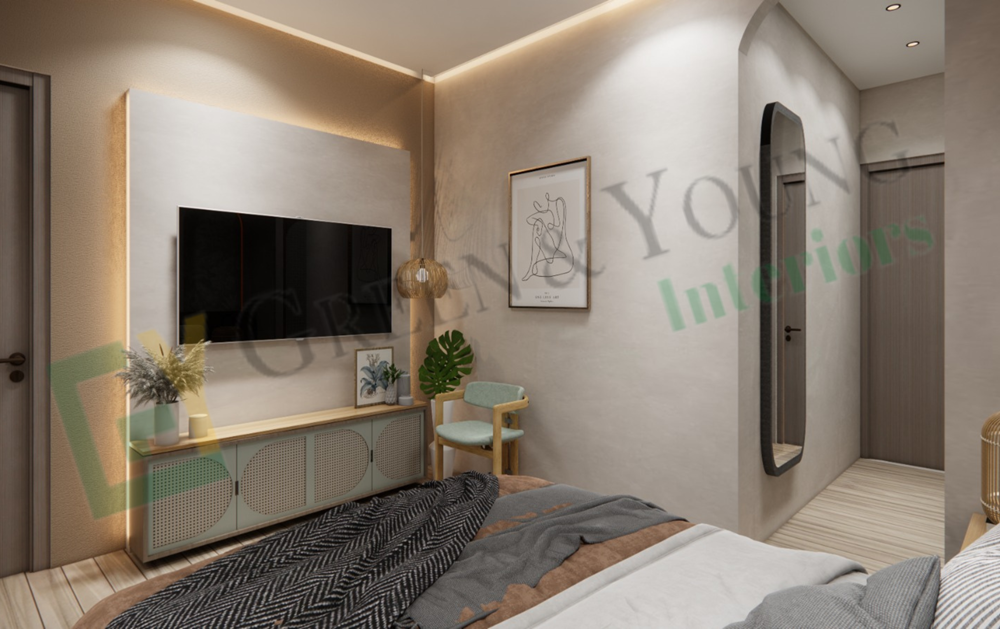
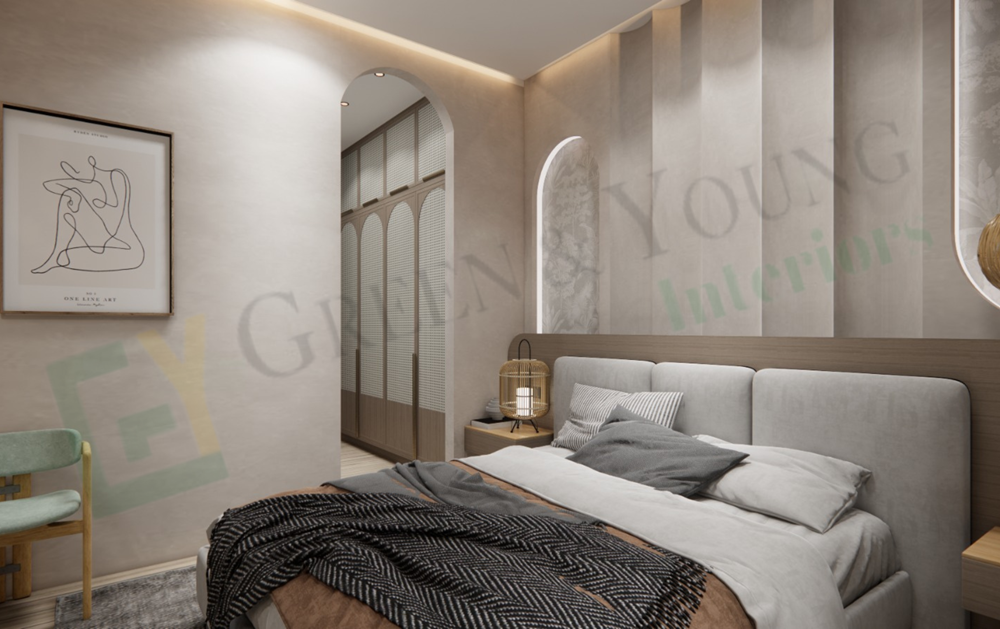
  • Warm neutrals (beige, taupe, sand): Comfort and stability

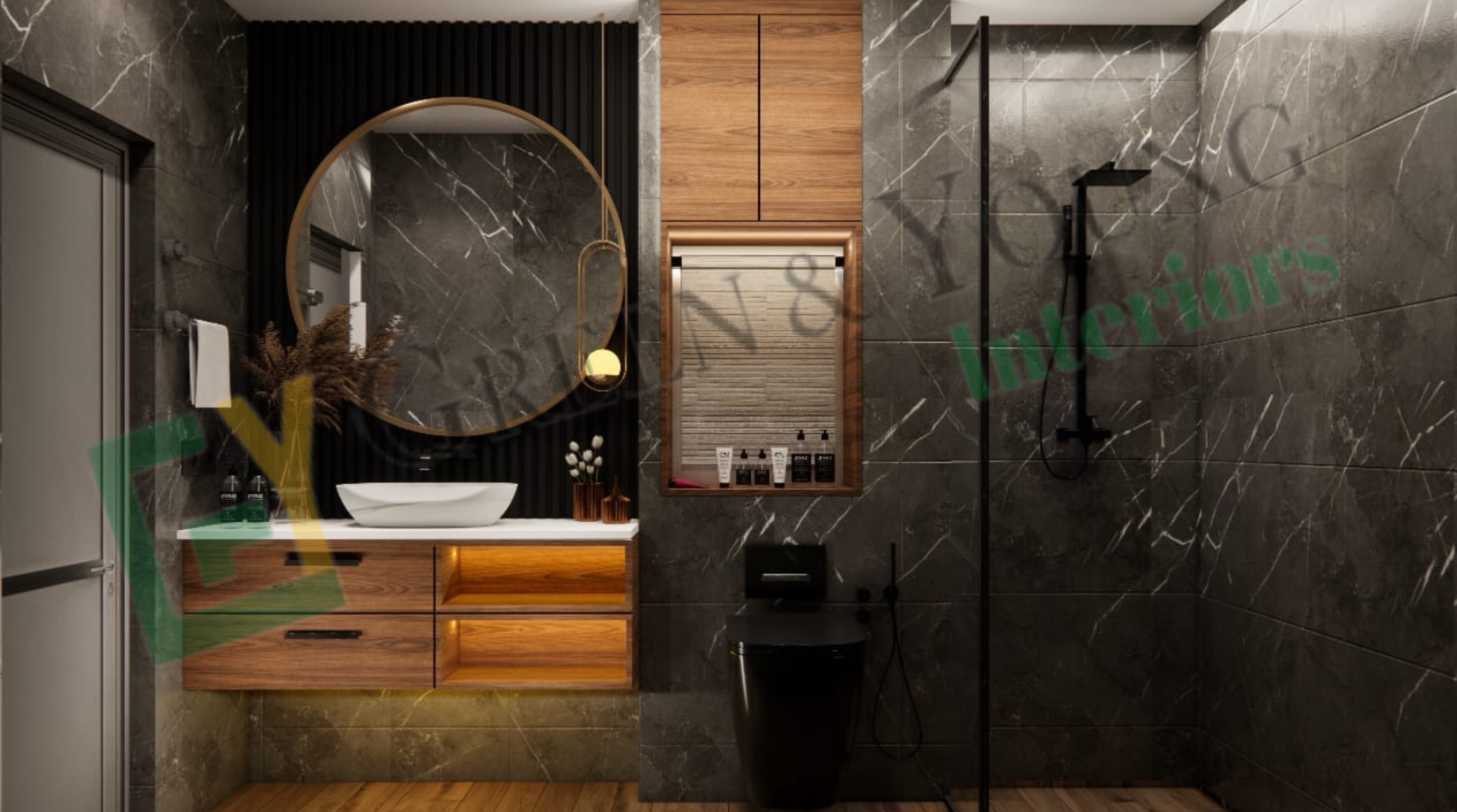
Tip: Avoid overly harsh contrasts or excessive dark tones in living spaces meant for relaxation.


💡 3. Lighting That Supports Mental Health

Poor lighting can lead to eye strain, low mood, and fatigue.

Well-being-focused lighting includes:

  • Maximum use of natural daylight
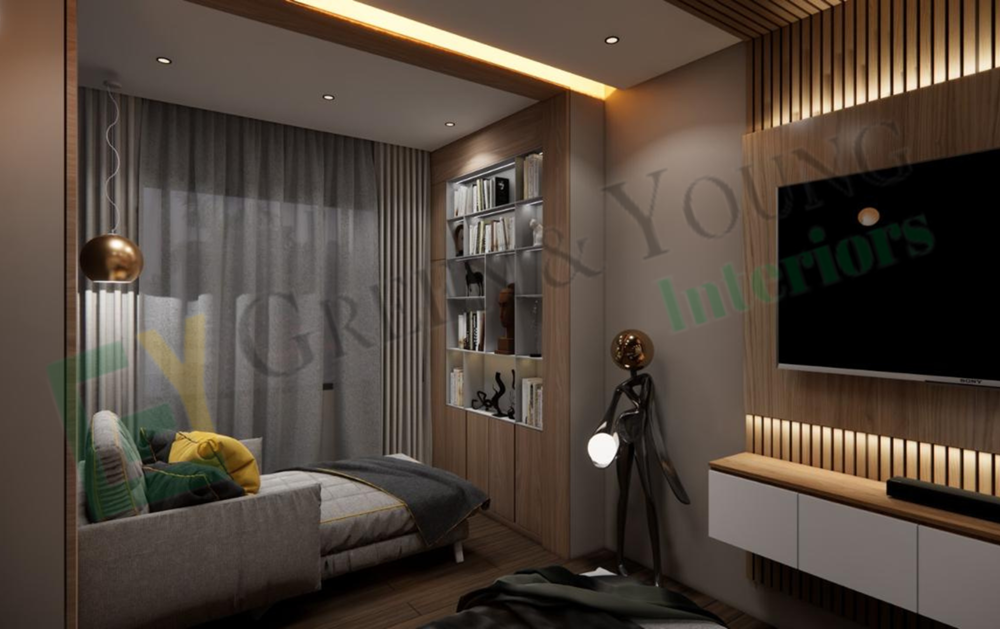
  • Layered lighting (ambient + task + accent)
  • Warm lighting in bedrooms and living areas
  • Dimmable lights to match mood and time of day

Lighting that mimics natural daylight rhythms helps regulate sleep and energy levels.


🧹 4. Clutter-Free, Organized Spaces

Visual clutter often equals mental clutter.

How organization improves daily life:

  • Reduces anxiety and overwhelm
  • Improves focus and productivity
  • Creates a sense of control and calm

Design approach:

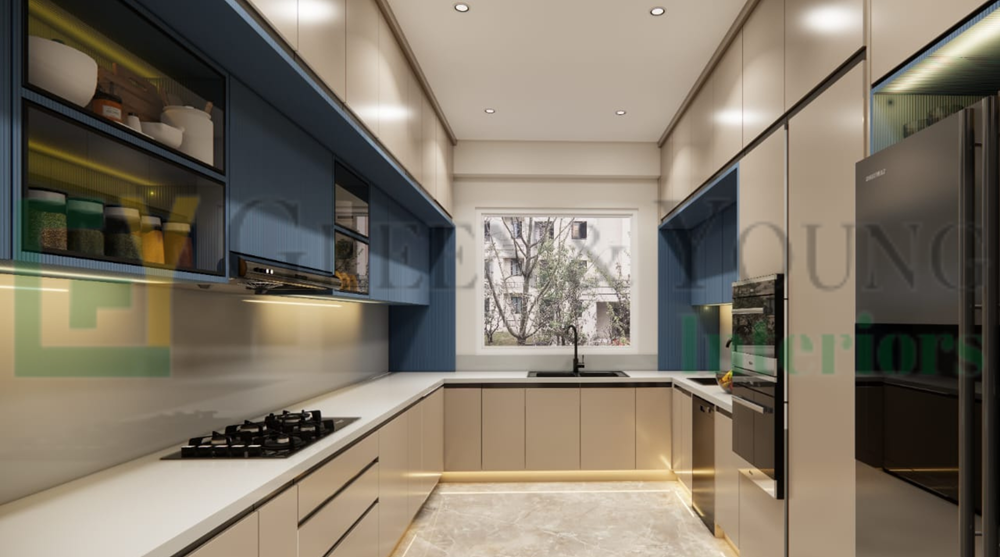
  • Smart storage solutions
  • Minimalist layouts
  • Hidden storage for daily-use items
  • Clean lines and breathable layouts

🪑 5. Comfort, Ergonomics & Flow

Physical discomfort impacts mental well-being.

Well-being design considers:

  • Ergonomic furniture for work-from-home setups
  • Comfortable seating and proper support
  • Smooth movement and circulation within the space
  • Furniture scaled correctly to room size

A space that “flows” well feels lighter and more peaceful.

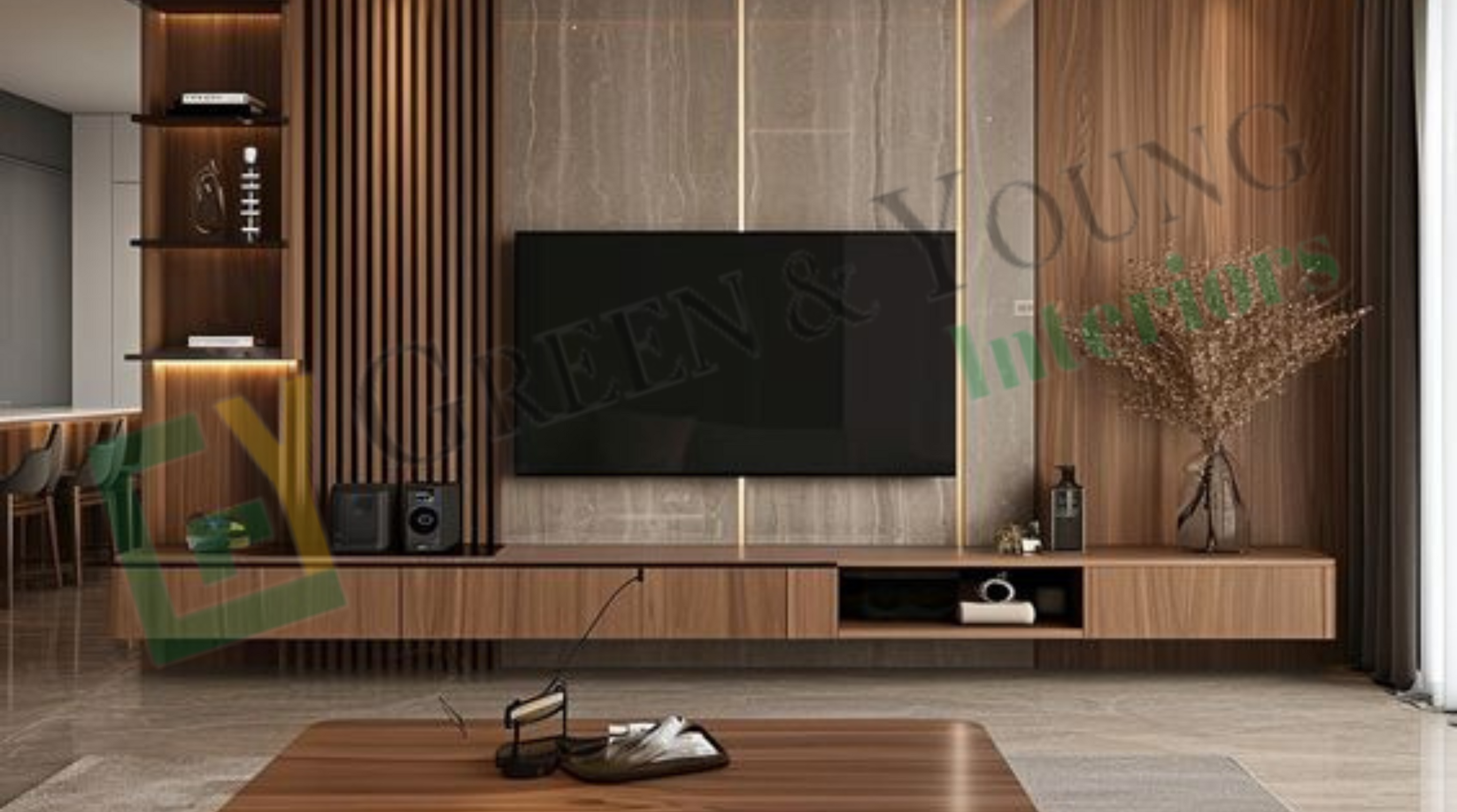
Comfortable Designs Reduce Stress

🔇 6. Acoustics & Quiet Zones

Noise pollution increases stress levels, especially in urban homes.

Solutions include:

  • Soft furnishings like rugs, curtains, and upholstery
  • Acoustic panels or wooden slats
  • Zoning quiet areas for rest or work
  • Avoiding excessive echo-prone materials

🕯️ 7. Personalization & Emotional Connection

Spaces should feel personal, not perfect.

Mental well-being improves when a space includes:

  • Personal memories, art, or photographs
  • Meaningful objects and textures
  • A balance between trends and individuality

When people feel emotionally connected to their space, they feel more at ease.


🌱 Designing for Well-Being Is Designing for Life

Well-being-focused interiors don’t need to be expensive or elaborate. Small, thoughtful decisions—color, light, layout, materials—can transform how a space feels and how people live within it.

At its core, designing for mental health means creating spaces that:

  • Calm the mind
  • Support daily routines
  • Encourage rest, focus, and joy
Need Help?
Scroll to Top

Book A Free Constitution