Practical Interior Design Tips for Families with Young Children
A beautiful home should also be a safe home—especially when children are part of the family. As babies begin to crawl and toddlers become curious explorers, every corner of your home becomes a place for discovery. A child-safe interior doesn’t mean sacrificing style; it means making thoughtful design choices that create a secure, functional, and family-friendly environment.
Whether you’re designing a new home or renovating an existing one, these child-safe interior ideas will help you create a home where your children can grow, play, and thrive.
Why Child-Safe Interior Design Matters
Children interact with their surroundings differently than adults. Sharp edges, slippery floors, exposed electrical outlets, and unstable furniture can pose serious risks. By incorporating safety into the design process from the beginning, homeowners can avoid costly modifications later while creating a more comfortable space for the entire family.
1. Choose Rounded Furniture
Sharp corners are one of the most common causes of household injuries for young children.
Instead of furniture with pointed edges, choose:
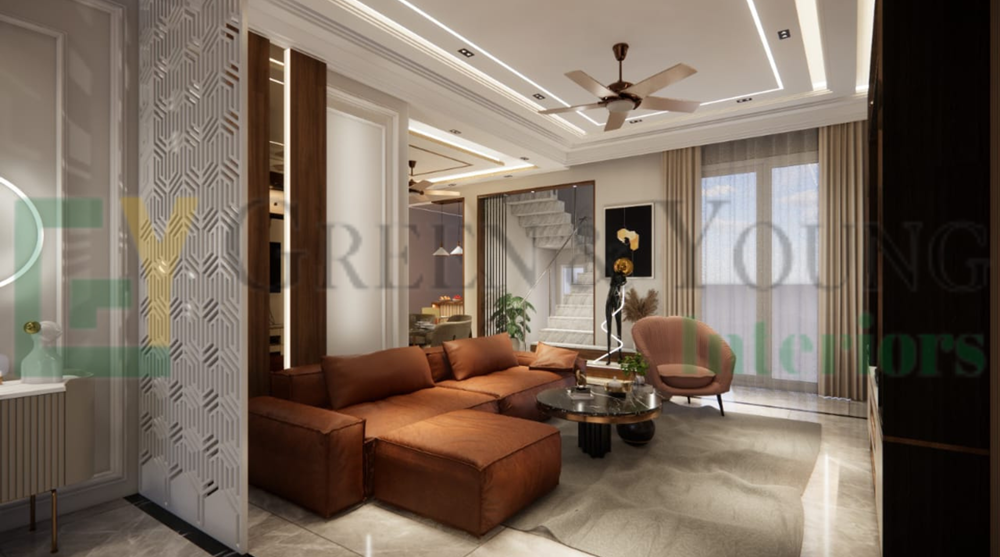
- Rounded coffee tables
- Curved dining tables
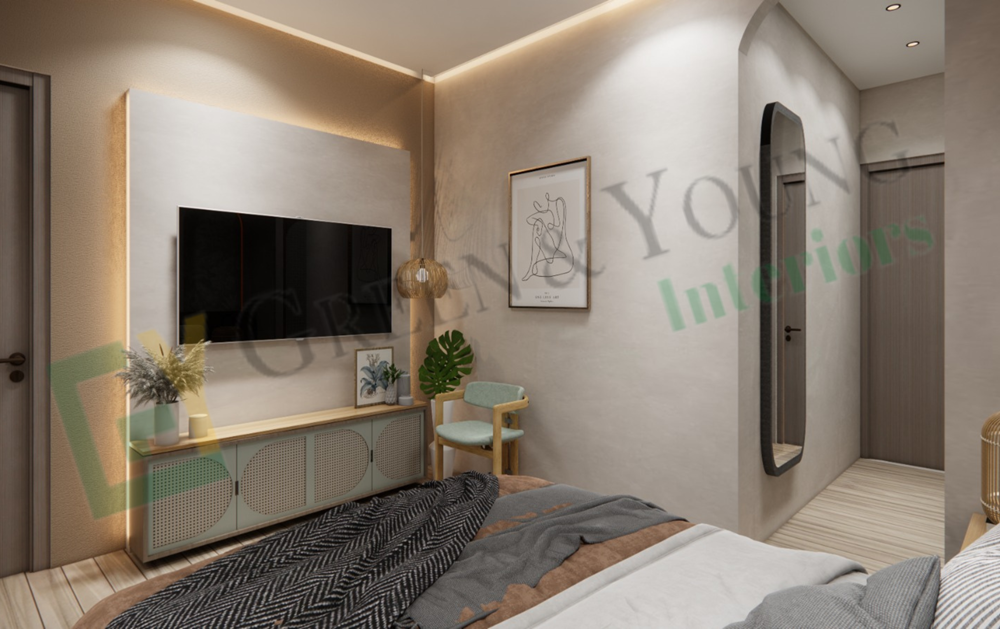
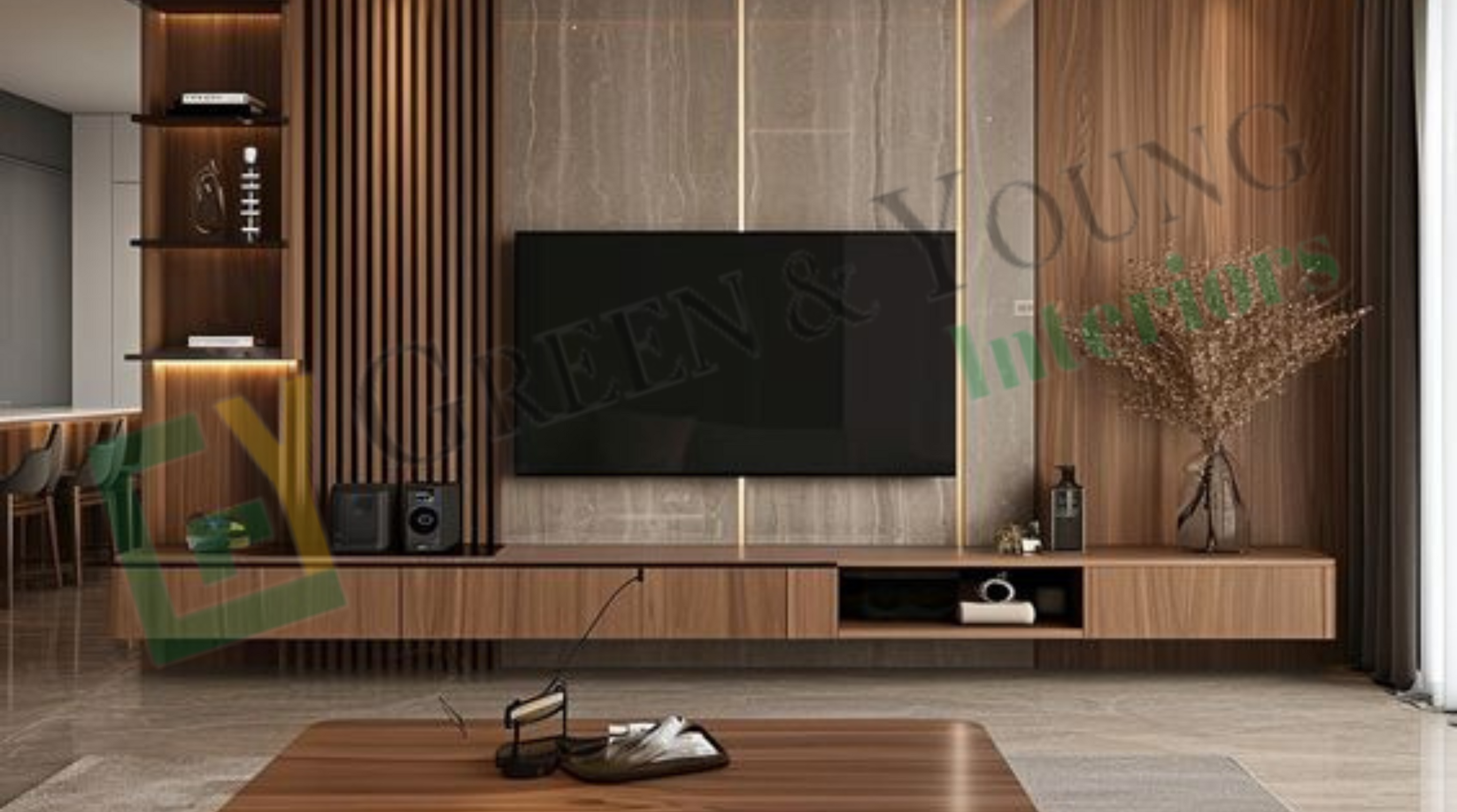
- Radius-edge TV units
- Soft-edge bedside tables
- Rounded kitchen islands
Curved furniture not only improves safety but also adds a modern, elegant look.

2. Secure Heavy Furniture
Tall furniture can become dangerous if children attempt to climb it.
Always anchor:
- Wardrobes
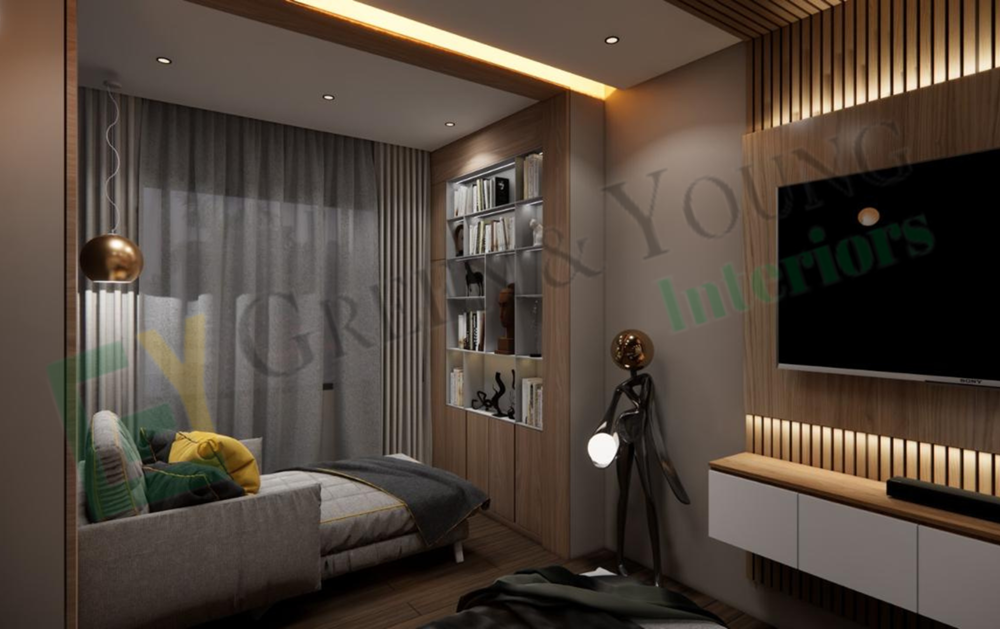
- Bookshelves
- Display cabinets
- TV units
- Chest of drawers
Use wall anchors or anti-tip brackets to prevent accidents.
3. Use Soft Flooring
Children spend a lot of time playing on the floor.
Safe flooring options include:
- SPC flooring
- Engineered wooden flooring
- Cork flooring
- Vinyl flooring
- Anti-skid vitrified tiles
Avoid highly polished surfaces that become slippery when wet.

4. Install Child-Safe Electrical Fittings
Electrical safety should never be overlooked.
Recommended features:
- Socket safety covers
- Child-proof switches
- Concealed wiring
- Proper earthing
- Surge protection devices
Plan electrical points carefully to minimize exposed cables and extension cords.
5. Select Non-Toxic Materials
Children are more sensitive to chemicals used in paints, adhesives, and finishes.
Choose:
- Low-VOC paints
- Formaldehyde-free boards where possible
- Water-based finishes
- Eco-friendly adhesives
- Certified child-safe materials
This helps maintain healthier indoor air quality.
6. Avoid Glass at Child Height
Large glass panels should be designed with safety in mind.
Consider:
- Toughened safety glass
- Laminated glass
- Frosted glass for privacy
- Rounded glass edges
For very young children, use glass only where necessary and ensure it complies with safety standards.

7. Design Safe Storage
Children naturally reach for anything within their grasp.
Store hazardous items in:
- High cabinets
- Lockable drawers
- Child-proof pantry units
- Soft-close storage systems
Keep cleaning products, medicines, and sharp kitchen tools out of reach.
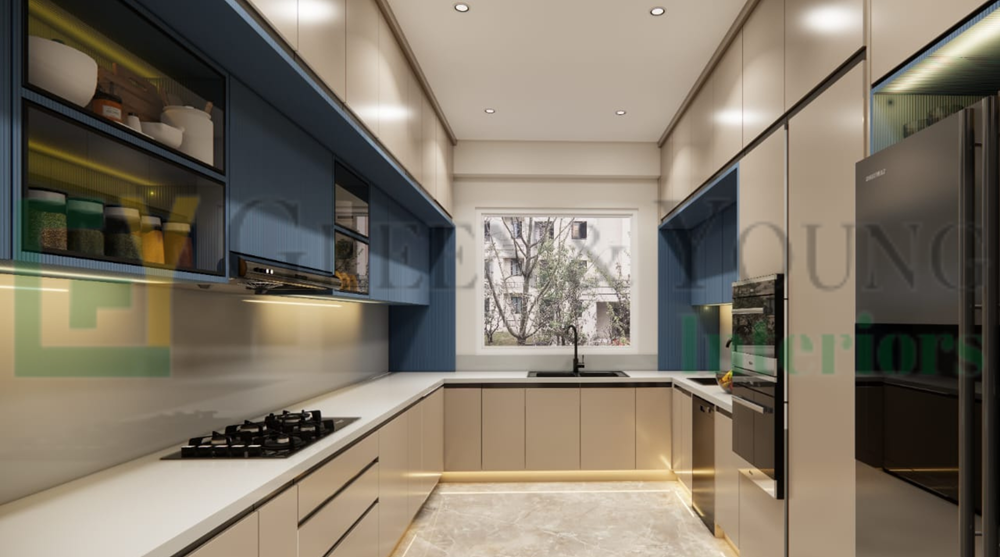
8. Make the Kitchen Safer
The kitchen requires special attention.
Safety tips:
- Install child locks on lower cabinets
- Keep the hob away from the edge
- Use induction cooktops where practical
- Position microwave ovens at adult height
- Store knives in locked drawers
- Avoid loose electrical cords
A thoughtfully planned kitchen reduces everyday risks.
9. Design a Child-Friendly Bedroom
A child’s bedroom should support both safety and development.
Include:
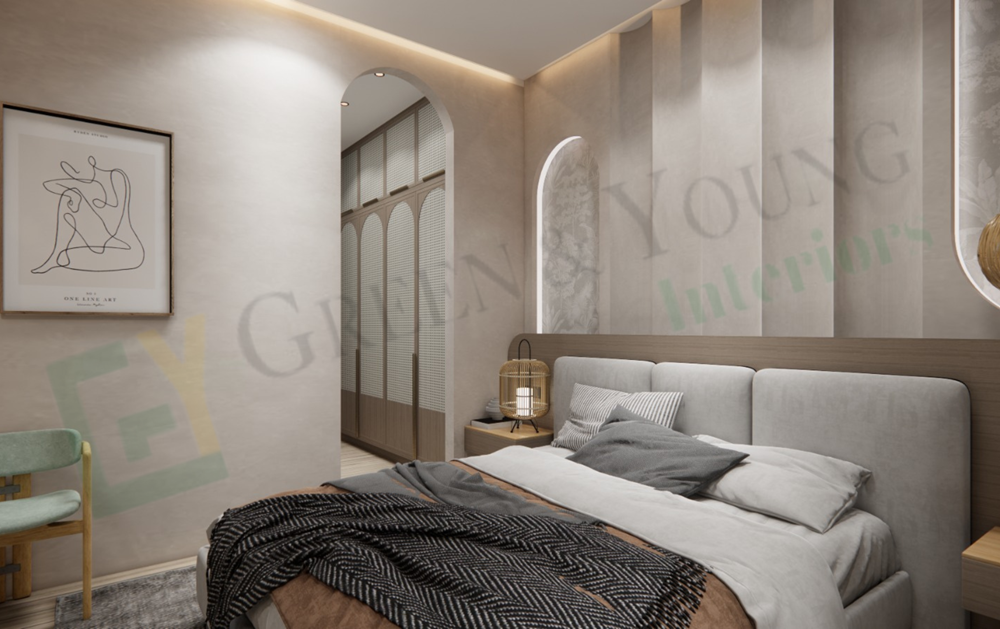
- Low-height beds
- Rounded study tables
- Soft-close wardrobes
- Open toy storage
- Night lighting
- Non-slip rugs
Avoid placing heavy wall décor directly above the bed.

10. Create Safe Staircases and Balconies
If your home has multiple levels:
- Install sturdy handrails.
- Use child safety gates at stair entrances.
- Ensure balcony railings have narrow gaps and adequate height.
- Avoid climbable horizontal railing designs.
- Keep furniture away from balcony edges.
11. Plan Smart Lighting
Good lighting improves visibility and reduces accidents.
Use:
- Motion-sensor night lights
- Warm ambient lighting
- Well-lit staircases
- Under-cabinet lighting in kitchens
- Dimmable bedroom lights
Proper lighting also creates a calm environment for children.
12. Choose Durable and Easy-to-Clean Finishes
Children can be tough on interiors.
Opt for:
- Scratch-resistant laminates
- Washable wall paints
- Stain-resistant upholstery
- Durable countertops
- Easy-to-maintain flooring
These materials keep your home looking good despite everyday wear and tear.

Smart Technology for Child Safety
Modern smart homes offer additional safety features:
- Smart door locks
- Video doorbells
- Indoor security cameras
- Window and door sensors
- Smoke and gas detectors
- Water leak sensors
- Smart lighting schedules
These systems provide extra peace of mind, especially when children are at home.
Child-Safe Interior Design Checklist
✔ Rounded furniture corners
✔ Anti-tip furniture anchors
✔ Anti-skid flooring
✔ Child-proof electrical outlets
✔ Low-VOC paints and finishes
✔ Toughened or laminated safety glass
✔ Lockable storage for hazardous items
✔ Soft-close drawers and cabinets
✔ Stair safety gates and secure railings
✔ Motion-sensor night lights
Common Mistakes to Avoid
- Choosing furniture based only on appearance.
- Leaving electrical cords exposed.
- Using slippery flooring in play areas.
- Installing fragile glass furniture.
- Keeping heavy décor within a child’s reach.
- Ignoring furniture anchoring.
- Storing cleaning products in accessible cabinets.

Final Thoughts
A child-safe home is designed with both protection and practicality in mind. The best interiors grow with your family, combining durable materials, thoughtful layouts, and smart safety features without compromising on style. By planning safety from the beginning, you can create a home where children can explore confidently while parents enjoy peace of mind.
Find us on Google – https://share.google/IZUJEfmj1JaAOfZJD
Green and Young Interiors Awards –https://greenandyoung.in/achievemets/