Latest Interior Trends

Tv Unit
Latest Interior Trends

“How Tv Unit plays an Important role in Residential Interior”

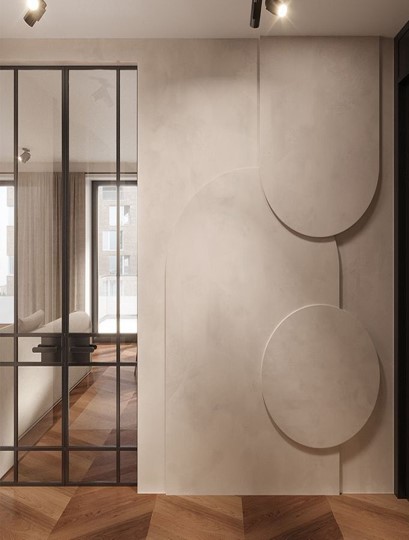
In modern residential interiors, the TV unit has evolved far beyond its basic function of holding a television. Today, it is one of the most significant design elements in a living space, combining aesthetics, functionality, and organization. A well-designed TV unit not only enhances the visual appeal of a room but also defines its character and usability, making it an essential component of interior design. One of the most important roles of a TV unit is its impact on the overall aesthetics of the living room. Since the TV wall usually occupies a central position, it naturally draws attention. Designers often treat this wall as a feature area, using creative materials, textures, lighting, and finishes to make it visually striking. Whether designed in a minimalistic, modern, luxurious, or traditional style, the TV unit helps establish the design theme of the entire space. It acts as a visual anchor that ties together furniture, wall colors, flooring, and décor elements. Functionality is another key aspect of a TV unit in residential interiors. Modern homes require smart storage solutions, and the TV unit provides an ideal space for organizing media equipment, routers, set-top boxes, speakers, books, and decorative objects. By integrating cabinets, drawers, shelves, and concealed compartments, the TV unit helps maintain a clean and clutter-free environment. Proper cable management within the unit also enhances safety and visual neatness, eliminating messy wires that can disrupt the look of the room. The TV unit also contributes significantly to space planning and layout design. In apartments and compact homes, where space is limited, a well-planned TV unit can optimize wall usage without occupying unnecessary floor area. Wall-mounted or floating TV units create an illusion of spaciousness, while multifunctional designs can incorporate storage, display, and seating elements. In larger homes, the TV unit can be designed as a grand architectural feature that adds depth and proportion to the living area. Lighting plays a crucial role in enhancing the effect of a TV unit. Integrated LED strips, spotlights, and backlit panels can highlight textures, materials, and design details. Soft ambient lighting around the TV unit not only improves visual comfort while watching television but also adds warmth and sophistication to the interior. Through thoughtful lighting design, the TV unit becomes a dynamic element that transforms the mood of the space. From a lifestyle perspective, the TV unit reflects the personality and preferences of the homeowners. The choice of materials—such as wood, laminate, glass, marble, metal, or stone—along with color palettes and finishes, communicates the taste and identity of the residents. Some homeowners prefer sleek and minimal designs, while others opt for rich, decorative units with display niches and artistic elements. Thus, the TV unit becomes a medium of self-expression within the interior. Moreover, the TV unit plays an important role in increasing the perceived value of a home. A well-designed TV wall with premium finishes and custom detailing can elevate the overall quality of the interior, making the living space look more refined and professionally designed. For real estate and resale purposes, an aesthetically appealing TV unit can leave a lasting impression on visitors and potential buyers. In conclusion, the TV unit is not merely a functional furniture piece but a core design feature in residential interiors. It harmonizes aesthetics, organization, technology, and lifestyle into a single cohesive element. By enhancing visual appeal, improving functionality, optimizing space, and reflecting personal style, the TV unit plays a vital role in shaping the identity and experience of a residential living space. Find us on Google – https://share.google/IZUJEfmj1JaAOfZJD Green and Young Interiors Awards –https://greenandyoung.in/achievemets/
Communication That Shapes Design
Latest Interior Trends

Professional Communication, Perfect Results: Understanding Clients, Creating Spaces.

Successful interior design begins with strong communication. Clients often have ideas, emotions, and inspirations but may find it difficult to express them clearly. The designer’s role is to listen, interpret, and translate those ideas into practical, well-defined designs. Our approach ensures that every requirement is carefully interpreted and translated into practical design solutions. From layout planning and material selection to color schemes and detailing, we maintain transparency at every stage of the process. This collaborative method not only eliminates confusion but also ensures that the final interior reflects the client’s personality, needs, and aspirations with precision and elegance. 1. Listening Before Designing Effective communication starts with listening. Understanding the client’s lifestyle, routines, preferences, and concerns helps designers identify what truly matters. Asking the right questions early prevents confusion later. 2. Clarifying Needs & Priorities Clients may want many things, but not all carry equal importance. Designers help prioritize needs—function, storage, comfort, aesthetics, or budget—bringing clarity and focus to the design direction. 3. Translating Ideas into Visuals Mood boards, sketches, layouts, and 3D views help convert abstract ideas into tangible visuals. These tools create a shared understanding and allow clients to see how ideas will look in real spaces. 4. Setting Realistic Expectations Clear communication includes explaining timelines, budgets, material limitations, and execution realities. Transparency builds trust and reduces misunderstandings during the project. 5. Structured Feedback Process A clear system for feedback ensures changes are managed effectively. This helps refine designs without disrupting timelines or budgets. 6. Continuous Updates During Execution Regular site updates and progress discussions keep clients informed and involved. This reduces anxiety and strengthens collaboration. Great design is a result of collaboration. When communication is clear and consistent, ideas evolve into well-planned designs that reflect both vision and practicality—creating spaces clients truly connect with. Through detailed discussions, visual references, and thoughtful planning, we transform abstract ideas into well-structured design concepts that are both functional and aesthetically pleasing. We believe that understanding the client’s vision, lifestyle, and expectations is the first step toward creating exceptional spaces. Find us on Google – https://share.google/IZUJEfmj1JaAOfZJD Green and Young Interiors Awards –https://greenandyoung.in/achievemets/

Luxurious smart design
Latest Interior Trends

Luxury is not about high cost, but smart design.

Luxury is often misunderstood as something that requires an unlimited budget, expensive materials, and extravagant décor. In reality, true luxury is not about high cost, but smart design. It is about how intelligently a space is planned, how thoughtfully elements are combined, and how creatively ideas are transformed into functional and beautiful interiors. Smart design focuses on maximizing impact with minimum waste, ensuring that every detail contributes to both aesthetics and practicality. When design is approached with clarity and innovation, even modest budgets can create spaces that feel premium, elegant, and timeless. Smart design begins with understanding the lifestyle and needs of the people who live in a space. Instead of blindly following trends or copying expensive designs, it emphasizes personalization, efficiency, and purpose. The right layout, balanced proportions, strategic lighting, and well-chosen color palettes can dramatically enhance the look and feel of a home without increasing costs. Clever use of materials, modular furniture, and multi-functional elements further elevates the design, proving that luxury is not defined by price tags but by thoughtful execution. A luxurious interior is one where beauty meets comfort and functionality. It is not about filling spaces with expensive items, but about creating harmony between form and function. Simple design choices—such as optimizing storage, using natural light effectively, and selecting durable yet stylish materials—can transform ordinary spaces into extraordinary environments. Smart design also involves sustainable choices, where quality and longevity matter more than unnecessary extravagance. This approach not only reduces costs but also creates spaces that are meaningful and future-ready. Ultimately, luxury is a feeling, not a figure. It is the sense of comfort, pride, and inspiration that a well-designed space brings to everyday life. When creativity replaces excess and intelligence replaces expense, luxury becomes accessible to everyone. By embracing smart design, interiors can achieve a premium look, practical functionality, and emotional connection—all without exceeding budgets. This philosophy redefines luxury, making it less about spending more and more about designing better. Find us on Google – https://share.google/IZUJEfmj1JaAOfZJD Green and Young Interiors Awards –https://greenandyoung.in/achievemets/
Unique Homes
Latest Interior Trends

Unique Homes instead of “Copy-Paste” Designs-From Idea to Identity

In the modern era of interior design, the concept of “unique homes” is redefining how people perceive their living spaces. Gone are the days when homes followed identical layouts, repetitive color schemes, and standard furniture patterns. Today, homeowners seek spaces that are not just visually appealing but deeply personal, functional, and meaningful. Unique homes instead of “copy-paste” designs represent a shift from generic templates to thoughtfully crafted environments that reflect individuality, lifestyle, and aspirations. Every home has its own story, and true design begins when that story is translated into spatial form. The journey from idea to identity starts with understanding the client’s vision, habits, preferences, and emotional connection to their space. Rather than imposing ready-made designs, the process focuses on collaboration, creativity, and customization. Each element—whether it is layout planning, material selection, lighting design, furniture detailing, or color palette—is curated to align with the homeowner’s personality and practical needs. This approach ensures that no two homes look the same, even if they share similar dimensions or budgets. Instead of following trends blindly, unique design balances aesthetics with functionality, creating spaces that are both beautiful and livable. A unique home is not defined by luxury alone but by authenticity and purpose. It blends modern innovation with cultural influences, personal memories, and future aspirations. Textures, forms, and details are carefully layered to create depth and character, turning ordinary rooms into expressive environments. From a cozy living area that reflects family warmth to a kitchen designed around daily routines, every corner is designed with intention. Such homes evolve beyond mere structures; they become identities that resonate with the people who inhabit them. Ultimately, choosing unique design over copy-paste solutions is about embracing originality and self-expression. It is about creating a home that feels exclusive, inspiring, and timeless rather than predictable and repetitive. When design moves from idea to identity, a house transforms into a signature space—a true reflection of who you are, how you live, and what you value. This philosophy of uniqueness not only elevates interior design but also enriches everyday living, making every home a masterpiece of personal expression. Find us on Google – https://share.google/IZUJEfmj1JaAOfZJD Green and Young Interiors Awards –https://greenandyoung.in/achievemets/
Smart Kitchen
Latest Interior Trends

Smart Planning for Everyday Cooking- Beautiful Kitchens That Work Beautifully

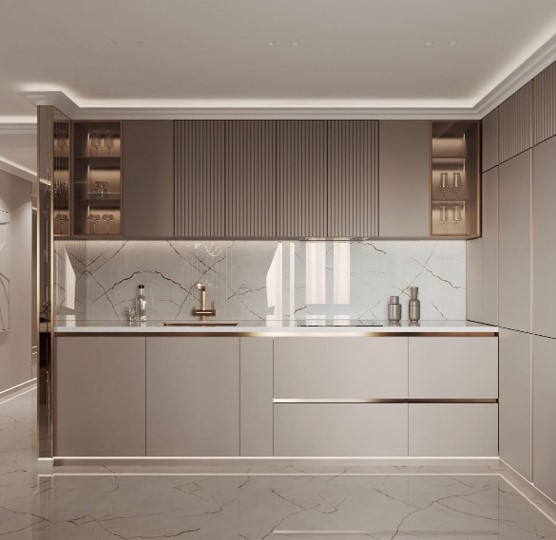
The Smart kitchen is one of the most used spaces in a home. A well-designed kitchen balances function, smooth workflow, and visual appeal—making everyday cooking efficient and enjoyable. A well-designed Smart kitchen begins with smart planning. Everyday cooking becomes easier and more enjoyable when the layout supports natural movement and efficient use of space. Thoughtful zoning of cooking, washing, and storage areas reduces unnecessary steps, saving time and effort during daily routines. When everything is planned with purpose, the kitchen works seamlessly around the user. Smart kitchens focus on flow and functionality. Proper placement of appliances, adequate countertop space, and clear circulation ensure a smooth workflow. This allows the cook to move comfortably without congestion, making even busy mornings or elaborate meals stress-free. Good planning also improves safety by reducing clutter and overlapping activities. Storage plays a vital role in everyday efficiency. Well-designed cabinets, drawers, and pull-out units keep essentials organized and easily accessible. When storage is intuitive, the kitchen stays tidy, reducing visual noise and making cleaning quicker and simpler. Material selection and lighting further enhance usability. Durable surfaces withstand daily wear, while layered lighting improves visibility and creates a pleasant atmosphere. A well-lit, easy-to-maintain kitchen encourages regular use and supports healthier cooking habits. 1. Function Comes First A kitchen must support daily tasks with ease. Storage planning, counter height, appliance placement, and work zones are designed around how the kitchen will be used. Thoughtful design reduces clutter and improves efficiency. 2. Smooth Workflow & Layout Good kitchen design follows a logical flow. The relationship between the cooking area, sink, and refrigerator should allow easy movement. Clear circulation, adequate counter space, and well-planned work zones make cooking stress-free. 3. Smart Storage Solutions Efficient kitchens maximize storage without feeling heavy. Drawer systems, pull-out units, corner solutions, tall units, and organized cabinets ensure everything has a place and is easy to access. 4. Material Selection & Durability Kitchen materials must handle heat, moisture, and daily wear. Designers choose surfaces that are durable, easy to maintain, and suitable for long-term use—without compromising on aesthetics. 5. Lighting for Work & Mood Layered lighting is essential. Task lighting improves visibility on countertops, while ambient and accent lighting enhance the overall mood. Good lighting makes the kitchen both functional and inviting. 6. Aesthetics That Last While trends change, a timeless base keeps the kitchen relevant. Clean finishes, balanced colors, and simple forms allow beauty without overwhelming the space. Style should complement function, not compete with it. Final Thought A successful kitchen design is not just about looks—it’s about how smoothly the space works every day. When function, flow, and aesthetics come together, the kitchen becomes a space that truly supports modern living. Ultimately, smart kitchen planning is not just about design—it’s about improving daily life. When a kitchen is efficient, comfortable, and visually balanced, it supports better routines, reduces stress, and becomes a space where cooking feels effortless and enjoyable. Smart kitchens truly lead to better living. Find us on Google – https://share.google/IZUJEfmj1JaAOfZJD Green and Young Interiors Awards –https://greenandyoung.in/achievemets/

Bedroom Design
Latest Interior Trends

A Bedroom That Lets You Breathe- Simple Spaces. Better Sleep

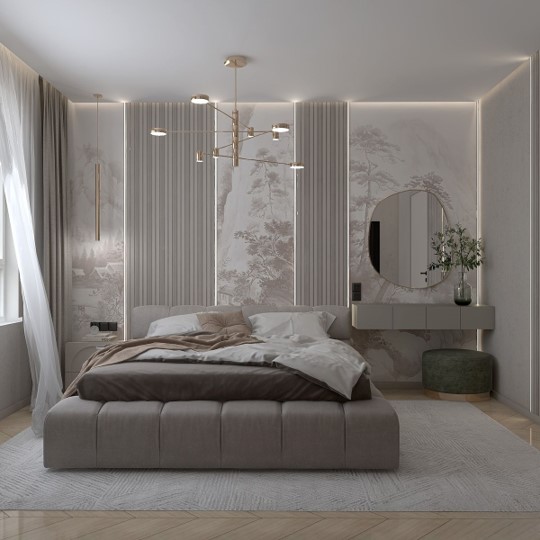
The bedroom is more than just a place to sleep—it is a personal retreat where the body and mind unwind after a long day. A thoughtfully designed bedroom can significantly improve sleep quality, reduce stress, and create a sense of emotional balance. Designing for rest, comfort, and calm requires attention to more than just style. Simplicity begins with decluttering and intentional planning. When a bedroom is free from visual noise, the mind relaxes more easily. Clean layouts, clear circulation, and only essential furniture help create a sense of openness and ease. This breathing space allows the room to feel lighter and more restful. 1. Calm Color Palette Soft, muted colors play a vital role in creating a restful atmosphere. Shades like warm neutrals, soft greys, sage green, muted blues, and earthy tones promote relaxation and reduce visual stimulation. Avoid overly bright or high-contrast colors that can feel energizing rather than calming. 2. Comfortable & Functional Layout A clutter-free, well-planned layout helps the mind relax. The bed should be positioned to allow easy movement and a sense of security, with clear circulation around it. Minimal furniture, proper spacing, and thoughtful storage solutions prevent visual and physical clutter. 3. Soft, Layered Lighting Lighting directly impacts mood and sleep. A combination of ambient lighting, bedside lamps, and soft accent lighting creates flexibility and warmth. Warm light tones are ideal for bedrooms, while harsh white lighting should be avoided. Dimmable lights further enhance comfort. 4. Textures That Soothe Incorporating soft textures adds comfort and warmth. Upholstered headboards, curtains, rugs, natural fabrics like cotton and linen, and subtle wall textures create a cozy and inviting feel. Texture adds depth without overwhelming the space. 5. Noise & Distraction Control A calm bedroom minimizes distractions. Soft furnishings help absorb sound, while blackout curtains reduce external light and noise. Keeping technology to a minimum supports better rest and mental calm. 6. Personal, Not Overdone Personal touches—art, photographs, or meaningful decor—help create emotional comfort. However, simplicity is key. A calm bedroom feels intentional, not crowded. Storage planning also contributes to calm. Well-designed wardrobes and concealed storage keep everyday items out of sight, preventing clutter from building up. When everything has its place, the room feels ordered and peaceful. Finally, a simple bedroom supports mental and physical well-being. Reduced distractions, minimal technology, and balanced design help lower stress levels and encourage deeper, more restorative sleep. Simple spaces are not about less comfort—they are about better comfort. When design is quiet, thoughtful, and intentional, the bedroom becomes a sanctuary that truly lets you breathe, rest, and wake up refreshed. Find us on Google – https://share.google/IZUJEfmj1JaAOfZJD Green and Young Interiors Awards –https://greenandyoung.in/achievemets/
Budget Friendly Design
Latest Interior Trends

Design Is One: :”Budgets Are Many” Why?

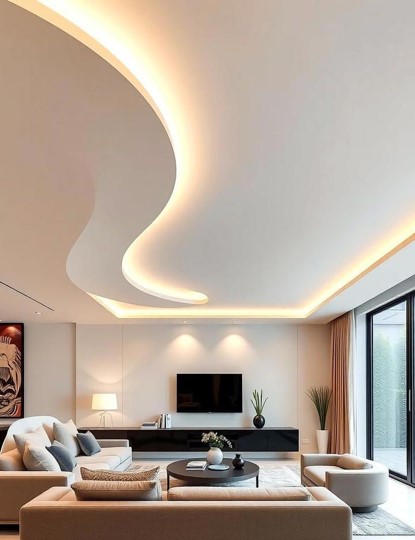
When clients look at two interior projects that appear visually similar, it’s natural to assume they should cost the same. However, in interior design, the final budget is rarely determined by appearance alone. Behind every finished space are multiple layers of decisions that directly impact cost, quality, and longevity. The design refers to the layout, concept, and overall visual intent—how the space is planned, how it flows, and how it looks. This can remain exactly the same across projects. What changes the budget are the choices made during execution. Material selection plays a major role. For example, the same wardrobe design can be executed using different grades of plywood, laminates, veneers, or finishes. To the eye, both may look similar on day one, but their durability, resistance to moisture, and aging over time will differ significantly. Hardware and fittings are another key factor. Hinges, channels, handles, and accessories vary widely in quality and performance. Premium hardware offers smoother operation, higher load capacity, and longer life, which naturally affects the overall cost. Craftsmanship and execution quality also influence budgets. Skilled labor, precise detailing, proper edge finishing, and careful installation require more time and expertise. These elements may not always be immediately visible, but they determine how well the interior performs in daily use. Lighting, electrical components, and surface finishes further add to cost variation. The same lighting layout can be achieved with basic fixtures or high-quality, energy-efficient systems that enhance ambience and comfort. Ultimately, two interiors can share the same design language yet differ in budget because of the decisions made beneath the surface. Understanding this helps homeowners make informed choices—balancing cost, quality, and long-term value—rather than comparing projects only by how they look. In interior design, the final cost of a project is not decided by how it looks alone. Two homes can share the same layout, the same 3D design, and even the same overall style—yet their budgets can vary widely. The reason lies in the choices made during execution. The design defines the vision: how spaces are planned, how furniture is arranged, and how the home is meant to function. T his vision can remain constant. What changes are the materials, finishes, hardware, and level of detailing used to bring that vision to life. These decisions directly influence durability, comfort, and long-term performance. For instance, the same kitchen or wardrobe design can be executed using different grades of plywood, laminates, veneers, or finishes. Visually, both options may look similar at first, but their resistance to moisture, wear, and aging will differ over time. Hardware is another major factor—hinges, channels, and fittings range from basic to premium, affecting smoothness, strength, and lifespan. Execution quality also plays a vital role. Skilled craftsmanship, precise installation, clean finishing, and proper supervision add value but require higher investment. Lighting, electrical fittings, and surface treatments further contribute to cost variation, even when the layout remains unchanged. Understanding this difference helps homeowners make informed decisions. When comparing budgets, it’s important to look beyond the surface and evaluate what goes into the work. Because in interiors, the design may be the same—but the choices define the budget, quality, and experience of living in the space. Find us on Google – https://share.google/IZUJEfmj1JaAOfZJD Green and Young Interiors Awards –https://greenandyoung.in/achievemets/

Quality Work
Latest Interior Trends

Quality Control: What To Check Before Handover?

The handover stage is the final and most critical phase of an interior project. A thorough quality check ensures that the work delivered matches the approved designs, meets safety standards, and performs well in daily use. Careful inspection at this stage helps avoid future repairs, maintenance issues, and dissatisfaction. Carpentry and furniture should be properly aligned, securely fixed, and smoothly functional, with clean finishes and well-installed hardware. All materials, colors, and finishes must match the approved samples, free from scratches, bubbles, or uneven textures. Electrical points, lighting fixtures, switches, and appliances should be tested for proper functioning, while plumbing fittings must be checked for leaks, water pressure, and drainage. Walls, ceilings, and paintwork should be even, crack-free, and neatly finished, with level false ceilings and properly installed flooring. Finally, the site should be fully cleaned, debris removed, and final detailing completed. Careful inspection at this stage ensures durability, comfort, and a hassle-free move-in experience. 1. Carpentry & Furniture Finishes Check all cabinets, wardrobes, and furniture for alignment, smooth edges, and proper finishing. Shutters should open and close easily, drawers should glide smoothly, and all handles and hardware must be firmly fixed. 2. Material & Finish Accuracy Verify that the materials, laminates, veneers, colors, and finishes used match the approved samples and drawings. Surface quality should be uniform, without visible bubbles, gaps, or uneven textures. 3. Electrical & Lighting Test all switches, sockets, and light points. Ensure proper functioning of dimmers, concealed lights, and appliances. Check for neat wiring, correct placements, and safe load distribution. 4. Plumbing & Fixtures Inspect taps, sinks, geysers, and drainage points for leaks or loose fittings. Water pressure, flow, and drainage should function smoothly without seepage or blockages. 5. Doors, Windows & Hardware Check door alignment, locks, hinges, and handles. Sliding systems should operate smoothly, and safety fittings should be secure. 6. Walls, Ceilings & Paint Look for cracks, uneven surfaces, paint patches, or stains. False ceilings should be level, clean, and free from sagging or visible joints. 7. Flooring & Skirting Ensure flooring is level, properly finished, and free from hollow sounds or chipped edges. Skirting should be neatly aligned and well-finished. 8. Cleaning & Final Detailing The site should be dust-free, with all debris removed. Protective films should be peeled off, and final polishing should be completed. Final Thought A detailed quality check before handover protects your investment and ensures peace of mind. A well-executed interior is not just about design—it’s about precision, safety, and long-term performance. Find us on Google – https://share.google/IZUJEfmj1JaAOfZJD Green and Young Interiors Awards –https://greenandyoung.in/achievemets/

Design
Latest Interior Trends

Common Interior Design Mistakes Homeowners Make

Designing a home is exciting—but without proper planning, small mistakes can turn into long-term discomfort. Here are the most common interior design mistakes homeowners make, and how to avoid them. 1. Starting Without a Clear Plan Jumping into execution without finalized layouts, drawings, or budgets often leads to confusion and rework. Avoid it by:Finalizing the design, material selections, and budget before execution begins. 2. Choosing Looks Over Function A beautiful space that doesn’t work for daily life quickly becomes frustrating. Common issues: Solution:Design around lifestyle, movement, and usage—not just appearance. 3. Ignoring Lighting Design Lighting is often treated as an afterthought, but it shapes mood and usability. Mistakes include: Fix:Use layered lighting—ambient, task, and accent. 4. Wrong Furniture Size & Layout Oversized furniture makes rooms feel cramped; undersized pieces look lost. Tip:Always plan furniture layout and clear walking paths before buying. 5. Poor Color Selection Choosing paint from a small swatch can lead to disappointment. Common errors: Best practice:Test samples on walls and view them in different lighting conditions. 6. Underestimating Storage Needs Lack of storage leads to clutter—even in well-designed homes. Think ahead: 7. Skipping Professional Help Relying only on carpenters or Pinterest images often causes design inconsistencies. Why it matters:Interior designers plan layouts, ergonomics, lighting, and long-term usability—not just furniture. 8. Cutting Costs in the Wrong Places Saving money on critical elements can reduce durability and comfort. Don’t compromise on: 9. Ignoring Electrical & Switch Planning Poor switch placement can ruin convenience. Common issues: 10. Following Trends Blindly Trends change quickly; your home should age well. Smart approach:Use trends in soft furnishings or accent elements, not permanent fixtures. Find us on Google – https://share.google/IZUJEfmj1JaAOfZJD Green and Young Interiors Awards –https://greenandyoung.in/achievemets/

Smart Planning
Latest Interior Trends

Execution Matters: “Design creates the Dream,Execution makes it Livable.”

Execution Matters: Turning Design into Reality A great design on paper means nothing if it isn’t executed well. In interior design, execution is where ideas meet reality—and where most projects either succeed or fail. 🎯 Why Execution Is as Important as Design Design creates the vision.Execution delivers the experience. Even the most beautiful 3D design can fall flat due to poor workmanship, wrong materials, or lack of coordination. Proper execution ensures that the space functions, feels, and lasts exactly as intended. 🔍 Key Elements of Successful Execution 1. Clear & Detailed Drawings Accurate working drawings prevent confusion on site. Clarity reduces errors and rework. 2. Right Materials, Right Application Design intent can change completely with wrong materials. Execution is not about shortcuts—it’s about informed choices. 3. Skilled Craftsmanship Good execution depends on skilled teams. Fine detailing is what separates average interiors from premium ones. 4. Site Coordination & Supervision Interior projects involve multiple teams—carpenters, electricians, painters, stone workers. Designers act as the bridge between concept and craft. 5. Timeline & Process Management Delays impact cost and quality. A well-managed project delivers better results without stress. ⚠️ Common Execution Mistakes These mistakes don’t just affect looks—they affect comfort, durability, and daily use. 🏡 What Clients Often Don’t See Clients see the final space, but behind it lies: Execution is where designers add the most value. ✨ Design + Execution = Successful Interiors A thoughtfully designed space becomes truly successful only when: Good design inspires.Great execution delivers. Find us on Google – https://share.google/IZUJEfmj1JaAOfZJD Green and Young Interiors Awards –https://greenandyoung.in/achievemets/

Need Help?
Scroll to Top

Book A Free Constitution