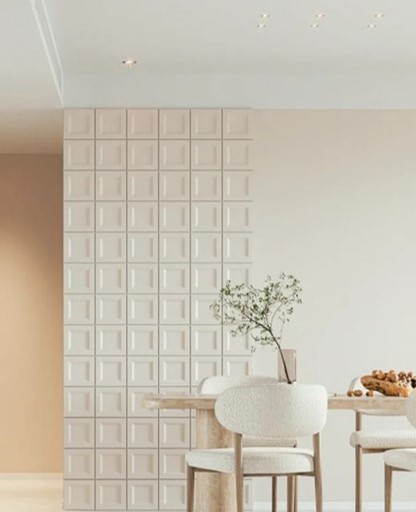
Future of Interior Design in Urban Cities

As urban populations continue to grow, the future of interior design in cities is evolving rapidly to meet changing lifestyles, space limitations, and technological advancements. Urban homes are becoming more compact, making smart planning and multifunctional design more important than ever. Interior designers are now focusing on maximizing every square foot by incorporating modular furniture, hidden storage solutions, and flexible layouts that allow spaces to serve multiple purposes. One of the biggest trends shaping the future of urban interiors is space efficiency. With apartments becoming smaller, furniture that can adapt to different needs—such as foldable dining tables, wall-mounted beds, and multifunctional sofas—will become increasingly popular. Designers are also emphasizing open-plan layouts that make homes feel larger and more connected. Another key factor influencing the future of interior design is technology integration. Smart homes are becoming more common, with automated lighting, climate control, security systems, and voice-controlled devices seamlessly incorporated into interior spaces. These technologies not only enhance convenience but also improve energy efficiency and sustainability. Sustainability will also play a major role in shaping urban interiors. Designers are increasingly choosing eco-friendly materials such as recycled wood, sustainable fabrics, energy-efficient lighting, and low-VOC paints. Biophilic design, which incorporates natural elements like indoor plants, natural light, and organic textures, is also gaining popularity as it helps bring a sense of calm and connection to nature in busy city environments. Urban interior design is also becoming more personalized and lifestyle-focused. Homes are no longer just places to live; they are spaces for work, relaxation, entertainment, and wellness. Designers are creating dedicated areas for home offices, fitness zones, meditation corners, and creative spaces to support modern living. In the future, interior design in urban cities will continue to focus on smart solutions, sustainability, and personalization. By blending technology, creativity, and functionality, designers will transform compact city homes into efficient, comfortable, and inspiring living spaces. Find us on Google – https://share.google/IZUJEfmj1JaAOfZJD Green and Young Interiors Awards –https://greenandyoung.in/achievemets/

Urban Design

As urban populations continue to grow, the future of interior design in cities is evolving rapidly to meet changing lifestyles, space limitations, and technological advancements.

Urban homes are becoming more compact, making smart planning and multifunctional design more important than ever.

Interior designers are now focusing on maximizing every square foot by incorporating modular furniture, hidden storage solutions, and flexible layouts that allow spaces to serve multiple purposes.
Urban Design
Urban Design

One of the biggest trends shaping the future of urban interiors is space efficiency. With apartments becoming smaller, furniture that can adapt to different needs—such as foldable dining tables, wall-mounted beds, and multifunctional sofas—will become increasingly popular. Designers are also emphasizing open-plan layouts that make homes feel larger and more connected.

Another key factor influencing the future of interior design is technology integration. Smart homes are becoming more common, with automated lighting, climate control, security systems, and voice-controlled devices seamlessly incorporated into interior spaces.

Contemporary Designs

These technologies not only enhance convenience but also improve energy efficiency and sustainability.

Sustainability will also play a major role in shaping urban interiors. Designers are increasingly choosing eco-friendly materials such as recycled wood, sustainable fabrics, energy-efficient lighting, and low-VOC paints.

Biophilic design, which incorporates natural elements like indoor plants, natural light, and organic textures, is also gaining popularity as it helps bring a sense of calm and connection to nature in busy city environments.

Bedroom Design
Bedroom Design

Urban interior design is also becoming more personalized and lifestyle-focused. Homes are no longer just places to live; they are spaces for work, relaxation, entertainment, and wellness.

Designers are creating dedicated areas for home offices, fitness zones, meditation corners, and creative spaces to support modern living.

In the future, interior design in urban cities will continue to focus on smart solutions, sustainability, and personalization. By blending technology, creativity, and functionality, designers will transform compact city homes into efficient, comfortable, and inspiring living spaces.

Need Help?
Scroll to Top

Book A Free Constitution