
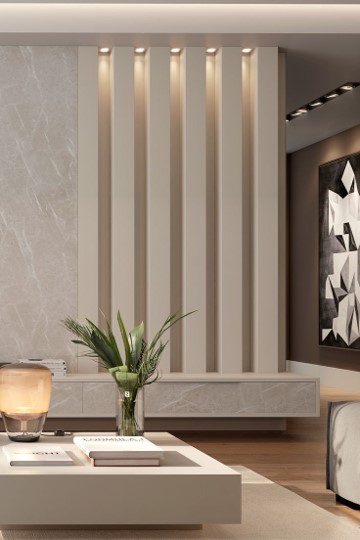
Dealing with interior work materials properly is important to control quality, cost, and project timelines. Here are some practical steps used by professional interior firms.
1. Proper Material Planning
Before starting the project, prepare a material list based on drawings and design.
Include items like:
- Plywood / MDF / HDHMR
- Laminates / Veneer
- Hardware (hinges, channels, handles)
- Lighting fixtures
- Paint / wall finishes
- Stone / tiles
Good planning helps avoid shortages, delays, and extra purchases.
2. Purchase from Trusted Suppliers
Always source materials from reliable vendors or authorized dealers. This ensures:
- Genuine quality
- Manufacturer warranty
- Consistent supply
For example, using quality boards from brands like CenturyPly, Greenply, or laminates from Merino Laminates helps maintain durability in interior projects.
3. Check Material Quality on Delivery
When materials arrive at the site or workshop:
- Verify brand, thickness, and quantity
- Inspect for damage, moisture, or defects
- Cross-check with the purchase order or invoice
This avoids using poor-quality materials during installation.
4. Proper Storage at Site
Interior materials should be stored carefully:
- Keep plywood and boards away from moisture and water
- Store laminates flat to prevent bending
- Protect hardware in sealed boxes
- Keep electrical items in dry and safe areas
Good storage prevents material damage and wastage.
5. Maintain a Material Record
Keep a material tracking sheet including:
- Material received
- Material used
- Balance stock
This helps in cost control and project transparency.
6. Minimize Wastage
Interior teams should:
- Cut boards according to optimized cutting plans
- Reuse small pieces where possible
- Plan installations carefully
This reduces material waste and extra expenses.
7. Follow Proper Installation
Materials should be installed according to design drawings and manufacturer guidelines. Proper installation improves:
- Durability
- Finish quality
- Long-term performance
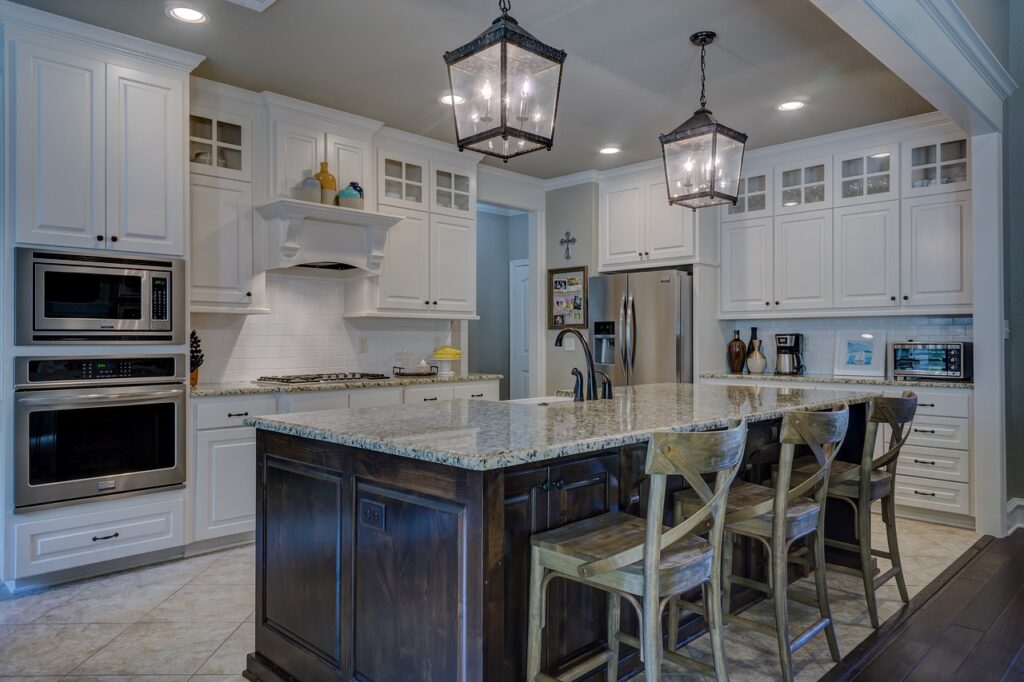
✅ In simple terms:
Handling interior materials well means planning, quality checking, safe storage, and controlled usage to ensure the project runs smoothly and stays within budget.
Find us on Google – https://share.google/IZUJEfmj1JaAOfZJD
Green and Young Interiors Awards –https://greenandyoung.in/achievemets/