Latest Interior Trends

Unique Homes
Latest Interior Trends

Unique Homes instead of “Copy-Paste” Designs-From Idea to Identity

In the modern era of interior design, the concept of “unique homes” is redefining how people perceive their living spaces. Gone are the days when homes followed identical layouts, repetitive color schemes, and standard furniture patterns. Today, homeowners seek spaces that are not just visually appealing but deeply personal, functional, and meaningful. Unique homes instead of “copy-paste” designs represent a shift from generic templates to thoughtfully crafted environments that reflect individuality, lifestyle, and aspirations. Every home has its own story, and true design begins when that story is translated into spatial form. The journey from idea to identity starts with understanding the client’s vision, habits, preferences, and emotional connection to their space. Rather than imposing ready-made designs, the process focuses on collaboration, creativity, and customization. Each element—whether it is layout planning, material selection, lighting design, furniture detailing, or color palette—is curated to align with the homeowner’s personality and practical needs. This approach ensures that no two homes look the same, even if they share similar dimensions or budgets. Instead of following trends blindly, unique design balances aesthetics with functionality, creating spaces that are both beautiful and livable. A unique home is not defined by luxury alone but by authenticity and purpose. It blends modern innovation with cultural influences, personal memories, and future aspirations. Textures, forms, and details are carefully layered to create depth and character, turning ordinary rooms into expressive environments. From a cozy living area that reflects family warmth to a kitchen designed around daily routines, every corner is designed with intention. Such homes evolve beyond mere structures; they become identities that resonate with the people who inhabit them. Ultimately, choosing unique design over copy-paste solutions is about embracing originality and self-expression. It is about creating a home that feels exclusive, inspiring, and timeless rather than predictable and repetitive. When design moves from idea to identity, a house transforms into a signature space—a true reflection of who you are, how you live, and what you value. This philosophy of uniqueness not only elevates interior design but also enriches everyday living, making every home a masterpiece of personal expression. Find us on Google – https://share.google/IZUJEfmj1JaAOfZJD Green and Young Interiors Awards –https://greenandyoung.in/achievemets/

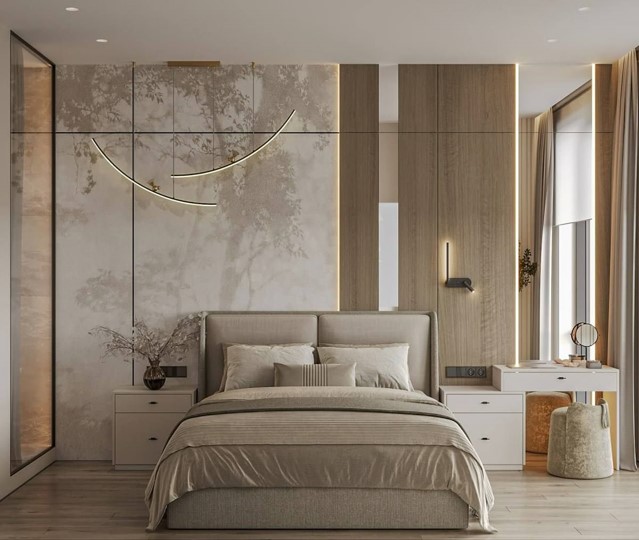
Smart Kitchen
Latest Interior Trends

Smart Planning for Everyday Cooking- Beautiful Kitchens That Work Beautifully

The Smart kitchen is one of the most used spaces in a home. A well-designed kitchen balances function, smooth workflow, and visual appeal—making everyday cooking efficient and enjoyable. A well-designed Smart kitchen begins with smart planning. Everyday cooking becomes easier and more enjoyable when the layout supports natural movement and efficient use of space. Thoughtful zoning of cooking, washing, and storage areas reduces unnecessary steps, saving time and effort during daily routines. When everything is planned with purpose, the kitchen works seamlessly around the user. Smart kitchens focus on flow and functionality. Proper placement of appliances, adequate countertop space, and clear circulation ensure a smooth workflow. This allows the cook to move comfortably without congestion, making even busy mornings or elaborate meals stress-free. Good planning also improves safety by reducing clutter and overlapping activities. Storage plays a vital role in everyday efficiency. Well-designed cabinets, drawers, and pull-out units keep essentials organized and easily accessible. When storage is intuitive, the kitchen stays tidy, reducing visual noise and making cleaning quicker and simpler. Material selection and lighting further enhance usability. Durable surfaces withstand daily wear, while layered lighting improves visibility and creates a pleasant atmosphere. A well-lit, easy-to-maintain kitchen encourages regular use and supports healthier cooking habits. 1. Function Comes First A kitchen must support daily tasks with ease. Storage planning, counter height, appliance placement, and work zones are designed around how the kitchen will be used. Thoughtful design reduces clutter and improves efficiency. 2. Smooth Workflow & Layout Good kitchen design follows a logical flow. The relationship between the cooking area, sink, and refrigerator should allow easy movement. Clear circulation, adequate counter space, and well-planned work zones make cooking stress-free. 3. Smart Storage Solutions Efficient kitchens maximize storage without feeling heavy. Drawer systems, pull-out units, corner solutions, tall units, and organized cabinets ensure everything has a place and is easy to access. 4. Material Selection & Durability Kitchen materials must handle heat, moisture, and daily wear. Designers choose surfaces that are durable, easy to maintain, and suitable for long-term use—without compromising on aesthetics. 5. Lighting for Work & Mood Layered lighting is essential. Task lighting improves visibility on countertops, while ambient and accent lighting enhance the overall mood. Good lighting makes the kitchen both functional and inviting. 6. Aesthetics That Last While trends change, a timeless base keeps the kitchen relevant. Clean finishes, balanced colors, and simple forms allow beauty without overwhelming the space. Style should complement function, not compete with it. Final Thought A successful kitchen design is not just about looks—it’s about how smoothly the space works every day. When function, flow, and aesthetics come together, the kitchen becomes a space that truly supports modern living. Ultimately, smart kitchen planning is not just about design—it’s about improving daily life. When a kitchen is efficient, comfortable, and visually balanced, it supports better routines, reduces stress, and becomes a space where cooking feels effortless and enjoyable. Smart kitchens truly lead to better living. Find us on Google – https://share.google/IZUJEfmj1JaAOfZJD Green and Young Interiors Awards –https://greenandyoung.in/achievemets/

Bedroom Design
Latest Interior Trends

A Bedroom That Lets You Breathe- Simple Spaces. Better Sleep

The bedroom is more than just a place to sleep—it is a personal retreat where the body and mind unwind after a long day. A thoughtfully designed bedroom can significantly improve sleep quality, reduce stress, and create a sense of emotional balance. Designing for rest, comfort, and calm requires attention to more than just style. Simplicity begins with decluttering and intentional planning. When a bedroom is free from visual noise, the mind relaxes more easily. Clean layouts, clear circulation, and only essential furniture help create a sense of openness and ease. This breathing space allows the room to feel lighter and more restful. 1. Calm Color Palette Soft, muted colors play a vital role in creating a restful atmosphere. Shades like warm neutrals, soft greys, sage green, muted blues, and earthy tones promote relaxation and reduce visual stimulation. Avoid overly bright or high-contrast colors that can feel energizing rather than calming. 2. Comfortable & Functional Layout A clutter-free, well-planned layout helps the mind relax. The bed should be positioned to allow easy movement and a sense of security, with clear circulation around it. Minimal furniture, proper spacing, and thoughtful storage solutions prevent visual and physical clutter. 3. Soft, Layered Lighting Lighting directly impacts mood and sleep. A combination of ambient lighting, bedside lamps, and soft accent lighting creates flexibility and warmth. Warm light tones are ideal for bedrooms, while harsh white lighting should be avoided. Dimmable lights further enhance comfort. 4. Textures That Soothe Incorporating soft textures adds comfort and warmth. Upholstered headboards, curtains, rugs, natural fabrics like cotton and linen, and subtle wall textures create a cozy and inviting feel. Texture adds depth without overwhelming the space. 5. Noise & Distraction Control A calm bedroom minimizes distractions. Soft furnishings help absorb sound, while blackout curtains reduce external light and noise. Keeping technology to a minimum supports better rest and mental calm. 6. Personal, Not Overdone Personal touches—art, photographs, or meaningful decor—help create emotional comfort. However, simplicity is key. A calm bedroom feels intentional, not crowded. Storage planning also contributes to calm. Well-designed wardrobes and concealed storage keep everyday items out of sight, preventing clutter from building up. When everything has its place, the room feels ordered and peaceful. Finally, a simple bedroom supports mental and physical well-being. Reduced distractions, minimal technology, and balanced design help lower stress levels and encourage deeper, more restorative sleep. Simple spaces are not about less comfort—they are about better comfort. When design is quiet, thoughtful, and intentional, the bedroom becomes a sanctuary that truly lets you breathe, rest, and wake up refreshed. Find us on Google – https://share.google/IZUJEfmj1JaAOfZJD Green and Young Interiors Awards –https://greenandyoung.in/achievemets/

Budget Friendly Design
Latest Interior Trends

Design Is One: :”Budgets Are Many” Why?

When clients look at two interior projects that appear visually similar, it’s natural to assume they should cost the same. However, in interior design, the final budget is rarely determined by appearance alone. Behind every finished space are multiple layers of decisions that directly impact cost, quality, and longevity. The design refers to the layout, concept, and overall visual intent—how the space is planned, how it flows, and how it looks. This can remain exactly the same across projects. What changes the budget are the choices made during execution. Material selection plays a major role. For example, the same wardrobe design can be executed using different grades of plywood, laminates, veneers, or finishes. To the eye, both may look similar on day one, but their durability, resistance to moisture, and aging over time will differ significantly. Hardware and fittings are another key factor. Hinges, channels, handles, and accessories vary widely in quality and performance. Premium hardware offers smoother operation, higher load capacity, and longer life, which naturally affects the overall cost. Craftsmanship and execution quality also influence budgets. Skilled labor, precise detailing, proper edge finishing, and careful installation require more time and expertise. These elements may not always be immediately visible, but they determine how well the interior performs in daily use. Lighting, electrical components, and surface finishes further add to cost variation. The same lighting layout can be achieved with basic fixtures or high-quality, energy-efficient systems that enhance ambience and comfort. Ultimately, two interiors can share the same design language yet differ in budget because of the decisions made beneath the surface. Understanding this helps homeowners make informed choices—balancing cost, quality, and long-term value—rather than comparing projects only by how they look. In interior design, the final cost of a project is not decided by how it looks alone. Two homes can share the same layout, the same 3D design, and even the same overall style—yet their budgets can vary widely. The reason lies in the choices made during execution. The design defines the vision: how spaces are planned, how furniture is arranged, and how the home is meant to function. T his vision can remain constant. What changes are the materials, finishes, hardware, and level of detailing used to bring that vision to life. These decisions directly influence durability, comfort, and long-term performance. For instance, the same kitchen or wardrobe design can be executed using different grades of plywood, laminates, veneers, or finishes. Visually, both options may look similar at first, but their resistance to moisture, wear, and aging will differ over time. Hardware is another major factor—hinges, channels, and fittings range from basic to premium, affecting smoothness, strength, and lifespan. Execution quality also plays a vital role. Skilled craftsmanship, precise installation, clean finishing, and proper supervision add value but require higher investment. Lighting, electrical fittings, and surface treatments further contribute to cost variation, even when the layout remains unchanged. Understanding this difference helps homeowners make informed decisions. When comparing budgets, it’s important to look beyond the surface and evaluate what goes into the work. Because in interiors, the design may be the same—but the choices define the budget, quality, and experience of living in the space. Find us on Google – https://share.google/IZUJEfmj1JaAOfZJD Green and Young Interiors Awards –https://greenandyoung.in/achievemets/

Quality Work
Latest Interior Trends

Quality Control: What To Check Before Handover?

The handover stage is the final and most critical phase of an interior project. A thorough quality check ensures that the work delivered matches the approved designs, meets safety standards, and performs well in daily use. Careful inspection at this stage helps avoid future repairs, maintenance issues, and dissatisfaction. Carpentry and furniture should be properly aligned, securely fixed, and smoothly functional, with clean finishes and well-installed hardware. All materials, colors, and finishes must match the approved samples, free from scratches, bubbles, or uneven textures. Electrical points, lighting fixtures, switches, and appliances should be tested for proper functioning, while plumbing fittings must be checked for leaks, water pressure, and drainage. Walls, ceilings, and paintwork should be even, crack-free, and neatly finished, with level false ceilings and properly installed flooring. Finally, the site should be fully cleaned, debris removed, and final detailing completed. Careful inspection at this stage ensures durability, comfort, and a hassle-free move-in experience. 1. Carpentry & Furniture Finishes Check all cabinets, wardrobes, and furniture for alignment, smooth edges, and proper finishing. Shutters should open and close easily, drawers should glide smoothly, and all handles and hardware must be firmly fixed. 2. Material & Finish Accuracy Verify that the materials, laminates, veneers, colors, and finishes used match the approved samples and drawings. Surface quality should be uniform, without visible bubbles, gaps, or uneven textures. 3. Electrical & Lighting Test all switches, sockets, and light points. Ensure proper functioning of dimmers, concealed lights, and appliances. Check for neat wiring, correct placements, and safe load distribution. 4. Plumbing & Fixtures Inspect taps, sinks, geysers, and drainage points for leaks or loose fittings. Water pressure, flow, and drainage should function smoothly without seepage or blockages. 5. Doors, Windows & Hardware Check door alignment, locks, hinges, and handles. Sliding systems should operate smoothly, and safety fittings should be secure. 6. Walls, Ceilings & Paint Look for cracks, uneven surfaces, paint patches, or stains. False ceilings should be level, clean, and free from sagging or visible joints. 7. Flooring & Skirting Ensure flooring is level, properly finished, and free from hollow sounds or chipped edges. Skirting should be neatly aligned and well-finished. 8. Cleaning & Final Detailing The site should be dust-free, with all debris removed. Protective films should be peeled off, and final polishing should be completed. Final Thought A detailed quality check before handover protects your investment and ensures peace of mind. A well-executed interior is not just about design—it’s about precision, safety, and long-term performance. Find us on Google – https://share.google/IZUJEfmj1JaAOfZJD Green and Young Interiors Awards –https://greenandyoung.in/achievemets/

Design
Latest Interior Trends

Common Interior Design Mistakes Homeowners Make

Designing a home is exciting—but without proper planning, small mistakes can turn into long-term discomfort. Here are the most common interior design mistakes homeowners make, and how to avoid them. 1. Starting Without a Clear Plan Jumping into execution without finalized layouts, drawings, or budgets often leads to confusion and rework. Avoid it by:Finalizing the design, material selections, and budget before execution begins. 2. Choosing Looks Over Function A beautiful space that doesn’t work for daily life quickly becomes frustrating. Common issues: Solution:Design around lifestyle, movement, and usage—not just appearance. 3. Ignoring Lighting Design Lighting is often treated as an afterthought, but it shapes mood and usability. Mistakes include: Fix:Use layered lighting—ambient, task, and accent. 4. Wrong Furniture Size & Layout Oversized furniture makes rooms feel cramped; undersized pieces look lost. Tip:Always plan furniture layout and clear walking paths before buying. 5. Poor Color Selection Choosing paint from a small swatch can lead to disappointment. Common errors: Best practice:Test samples on walls and view them in different lighting conditions. 6. Underestimating Storage Needs Lack of storage leads to clutter—even in well-designed homes. Think ahead: 7. Skipping Professional Help Relying only on carpenters or Pinterest images often causes design inconsistencies. Why it matters:Interior designers plan layouts, ergonomics, lighting, and long-term usability—not just furniture. 8. Cutting Costs in the Wrong Places Saving money on critical elements can reduce durability and comfort. Don’t compromise on: 9. Ignoring Electrical & Switch Planning Poor switch placement can ruin convenience. Common issues: 10. Following Trends Blindly Trends change quickly; your home should age well. Smart approach:Use trends in soft furnishings or accent elements, not permanent fixtures. Find us on Google – https://share.google/IZUJEfmj1JaAOfZJD Green and Young Interiors Awards –https://greenandyoung.in/achievemets/

Latest Interior Trends

Execution Matters: “Design creates the Dream,Execution makes it Livable.”

Execution Matters: Turning Design into Reality A great design on paper means nothing if it isn’t executed well. In interior design, execution is where ideas meet reality—and where most projects either succeed or fail. 🎯 Why Execution Is as Important as Design Design creates the vision.Execution delivers the experience. Even the most beautiful 3D design can fall flat due to poor workmanship, wrong materials, or lack of coordination. Proper execution ensures that the space functions, feels, and lasts exactly as intended. 🔍 Key Elements of Successful Execution 1. Clear & Detailed Drawings Accurate working drawings prevent confusion on site. Clarity reduces errors and rework. 2. Right Materials, Right Application Design intent can change completely with wrong materials. Execution is not about shortcuts—it’s about informed choices. 3. Skilled Craftsmanship Good execution depends on skilled teams. Fine detailing is what separates average interiors from premium ones. 4. Site Coordination & Supervision Interior projects involve multiple teams—carpenters, electricians, painters, stone workers. Designers act as the bridge between concept and craft. 5. Timeline & Process Management Delays impact cost and quality. A well-managed project delivers better results without stress. ⚠️ Common Execution Mistakes These mistakes don’t just affect looks—they affect comfort, durability, and daily use. 🏡 What Clients Often Don’t See Clients see the final space, but behind it lies: Execution is where designers add the most value. ✨ Design + Execution = Successful Interiors A thoughtfully designed space becomes truly successful only when: Good design inspires.Great execution delivers. Find us on Google – https://share.google/IZUJEfmj1JaAOfZJD Green and Young Interiors Awards –https://greenandyoung.in/achievemets/
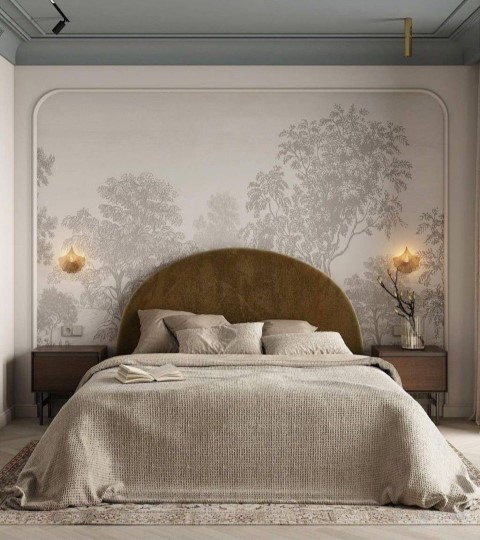
Highlighter Wall
Latest Interior Trends

2026 Highlighter Wall Trends: Outstanding Designs and Expert Advice

A highlighter wall (often called an accent wall or feature wall) is a single wall that’s intentionally styled differently from the rest — through color, texture, material, pattern, or art — to create a visual focal point in a room. 🧠 1. They Define Focus & Mood Highlight walls act as visual anchors that immediately draw the eye and set the emotional tone of a space. Whether it’s a rich earthy tone behind a bed or a textured wall in a living room, this design choice helps define where attention should go first — be it seating areas, art, or architectural features. 🛋️ 2. They Add Personality Without Overwhelming Unlike full room color changes, accent walls let you introduce bold color, pattern, or materials while keeping the rest of the space calm and balanced. This makes them perfect for clients who want style without visual overload. 🪵 3. They Can Create Depth & Dimension Using materials like wood slats, stone, wallpaper, or textured plaster on a highlight wall adds physical depth, not just color contrast. This technique enhances perception of space, especially in minimal interiors where furniture is simple and uncluttered. 🌍 4. Earthy, Nature-Inspired Tones Are Trending 2026 sees highlighter walls trending toward earth-inspired shades — terracotta, olive green, taupe, warm charcoal — that soften interiors and harmonize with natural materials like wood and linen. These tones feel both modern and soothing, fitting well with the broader push toward calm, grounded interiors. 📐 5. Geometric & Artistic Walls Add Structure Beyond simple color contrast, accent walls in 2026 often include geometric paint treatments, decorative battens, or layered color blocking to create visual rhythm and architectural interest. These designs elevate a flat wall into a design feature on its own. 🖼️ 6. But the Concept Is Evolving While accent walls remain useful, leading designers are also exploring alternatives like tapestries and textile wall art, ceilings as focal surfaces (“the fifth wall”), or fully integrated murals — showing that the idea of highlighting walls is shifting from a standalone paint wall to multisensory, texture-rich storytelling layers in design. ✨ 7. Practical Benefits for Everyday Interiors ✔️ Breaks monotony: A single styled wall makes long rooms feel intentional.✔️ Cost-effective update: Accent walls usually require less material & effort than full room makeovers.✔️ Easy to personalize: Colors, wallpapers, murals, and textures let homeowners express style without heavy renovation.✔️ Improves spatial definition: In open-plan layouts, an accent wall can subtly distinguish zones (e.g., dining vs. living). 🏡 When to Use a Highlighter Wall ✅ Behind beds to create cozy focal points✅ Around TV/media units to define entertainment areas✅ In entryways to set first impressions✅ Home offices for focused moods✅ Staircases or hallways to add visual interest 📍 In Short Highlighter walls continue to be relevant, but their role is evolving from simple painted contrasts to integrated design features that use texture, pattern, shadow, and material depth to shape mood and space. They’re no longer just decorative — they’re storytelling surfaces that influence how a room feels and functions. Find us on Google – https://share.google/IZUJEfmj1JaAOfZJD Green and Young Interiors Awards –https://greenandyoung.in/achievemets/
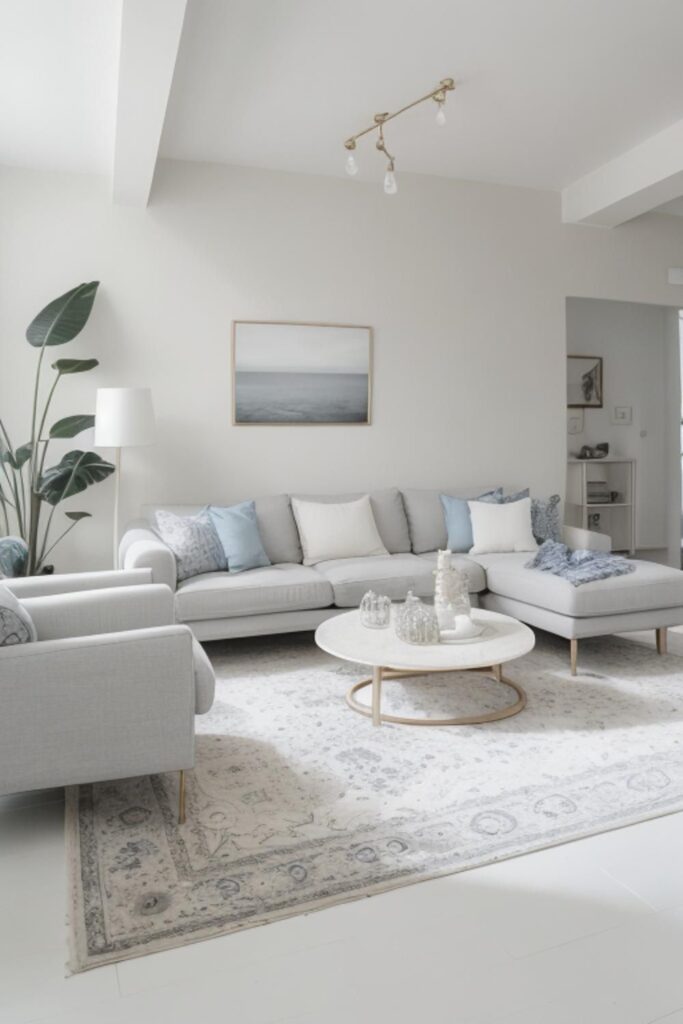
Stress Free Design
Latest Interior Trends

2026 Latest Interior Designs “That Can Reduce Stress and Improve Day to Day Life”.

In today’s fast-paced world, our homes and workspaces play a crucial role in shaping how we feel, think, and function. Interior design is no longer just about aesthetics—it’s about well-being, balance, and to reduce Stress. Thoughtfully designed interiors can significantly reduce Stress, enhance mood, and improve overall quality of life 🧠 The Connection Between Space and Mind Our surroundings constantly influence our nervous system. Cluttered, poorly lit, or noisy spaces can increase Stress and fatigue, while calm, balanced interiors promote relaxation and focus. Designing with well-being in mind means creating environments that support emotional comfort, clarity, and rest. 🌿 1. Biophilic Design: Bringing Nature Indoors Nature has a proven calming effect on the human mind. How it helps: Design ideas: 🎨 2. Color Psychology & Emotional Balance Colors deeply influence emotions and energy levels. Stress-reducing colors: Tip: Avoid overly harsh contrasts or excessive dark tones in living spaces meant for relaxation. 💡 3. Lighting That Supports Mental Health Poor lighting can lead to eye strain, low mood, and fatigue. Well-being-focused lighting includes: Lighting that mimics natural daylight rhythms helps regulate sleep and energy levels. 🧹 4. Clutter-Free, Organized Spaces Visual clutter often equals mental clutter. How organization improves daily life: Design approach: 🪑 5. Comfort, Ergonomics & Flow Physical discomfort impacts mental well-being. Well-being design considers: A space that “flows” well feels lighter and more peaceful. 🔇 6. Acoustics & Quiet Zones Noise pollution increases stress levels, especially in urban homes. Solutions include: 🕯️ 7. Personalization & Emotional Connection Spaces should feel personal, not perfect. Mental well-being improves when a space includes: When people feel emotionally connected to their space, they feel more at ease. 🌱 Designing for Well-Being Is Designing for Life Well-being-focused interiors don’t need to be expensive or elaborate. Small, thoughtful decisions—color, light, layout, materials—can transform how a space feels and how people live within it. At its core, designing for mental health means creating spaces that: Find us on Google – https://share.google/IZUJEfmj1JaAOfZJD Green and Young Interiors Awards –https://greenandyoung.in/achievemets/

Color Trends
Latest Interior Trends

Interior Color Trends of 2026- Palette predictions, how colors influence mood, and how to choose the right scheme for your Home.

The 2026 interior Color story is about comfort with depth — blending nature-inspired tones with expressive accents to craft spaces that feel both serene and personal. Whether you aim for earthy warmth, refined cool hues, or vibrant accents, let your color choices reflect not just trends, but how you want to feel in your home. Interior Color Trends of 2026 🟢 1. What Colors Are Trending in 2026 Interior design in 2026 is all about creating emotionally resonant, calming, and authentic spaces that balance comfort with personality. Experts and trend reports highlight a range of colors that are gaining traction this year: 🌿 Earthy & Nature-Inspired Tones 🎨 Calming & Sophisticated Hues ✨ Rich Accent Shades 🧠 How Colors Influence Mood & Atmosphere The colors you choose directly affect how a space feels and functions — psychologically and visually. 🌱 Warm Earth Tones 🌊 Blues & Greens 🕊️ Soft Neutrals & Whites 💎 Rich, Deep Accents 🎯 How to Choose the Right Color Scheme Here are practical tips to ensure your color decisions create the feel and function you want: 🏡 1. Start With Purpose Think about how the space will be used. 💡 2. Consider Lighting Natural and artificial light changes how colors look: 🎨 3. Balance Neutrals With Accents Use neutral walls as calm foundations, and add personality with accent walls, textiles, art, or decor in trending colors. 🧩 4. Harmonize With Materials Pair trending colors with materials like wood, brass, stone, or woven textures to enrich the palette and create cohesive design narratives. 🪩 5. Test Before Committing Always sample paint or textiles in the actual room. Colors can shift dramatically with lighting and surrounding surfaces. Find us on Google – https://share.google/IZUJEfmj1JaAOfZJD Green and Young Interiors Awards –https://greenandyoung.in/achievemets/

Need Help?
Scroll to Top

Book A Free Constitution